Finding Peace in the Middle of Chaos

img_1008

It is not uncommon for my mind to be chaotic even when I am in a peaceful setting. I long to get to the point where my mind is at peace regardless of how much chaos is around me. I have a long way to go to meet that goal.

I am getting plenty of opportunity to work on that issue in my Amritapuri Tai Chi class. Tai Chi, by its nature, is meditative. It slows down my mind and body more than anything else I have ever done.

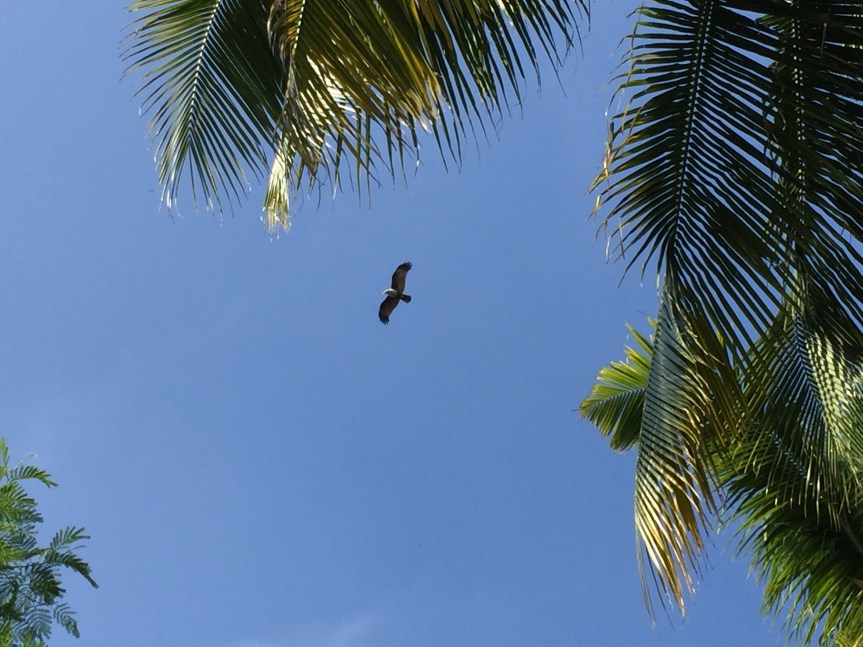
I would guess that most Tai Chi classes are held in peaceful settings with soft music playing or silence in the background. The place where our class meets in Amritapuri is gorgeous. There are palm trees, views of the beach and the Arabian Sea, eagles flying overhead, etc. As I’ve mentioned before, though, there are also trucks, bicycles, buses and cars that occasionally go through the space where we meet.

With most of life’s lessons, it seems like once you have adjusted to one level, another dimension is added. This year has definitely demonstrated that process. During my first class, I was stung by a red ant. It is amazing how much a bite by a tiny ant can hurt. In fact, the bite was still stinging hours after the class finished.

Soon thereafter, a red ant hill showed up at the perimeter of the space we use for the class, so it has been important for me to stay conscious of that danger, and to make sure new students are made aware of it. (I have stepped on a red ant nest twice in the 27 years I’ve been coming to India, once in the daylight and once at night. It is an unforgettable experience; one I hope never to repeat.)

Starting with our second class, students taking a silent meditation retreat have done a walking meditation in front of us during part of our class. They don’t disturb us but I’m tempted to watch them instead of staying focused on my own work.

In last week’s post Be Like a Bird Perched on a Dry Twig, I talked about the third class when there were even more vehicles in the area than normal. Midway through the class, a truck pulled into “our” space and parked. The workers got out of the truck and started carrying their supplies to the nearby construction site. Since their work had priority, we had  to move to a smaller area, one that was bordered by 8 ashram cows lounging in the shade!

Tai Chi is so powerful that it was reasonably easy for me to find that place of peace and contentment even in these circumstances, although I certainly didn’t have single minded focus.

On my fourth class, another set of challenges were added to those that I have already described. (BTW, the cows have not returned to the beach, at least a that time of day, since the third class.) The fourth class was held on a weekend, the first weekend since Amma returned from her European and U.S. tour. The crowds coming for darshan (hugs) were very big that day. At one point, there were 14 vehicles parked on the beach.

Then something new happened. At first, one or two village men started removing carts of sand from the beach to somewhere in the village. Next, two women started a chain. One woman would carry a big pan of sand on her head and walk to a spot next to our class. She would then shift the pan to the head of a second woman who would carry it out to the main road. We often had to divert our path to stay out of their way.

Fifteen minutes before that class was over, a cement mixer started making its piercing noise in the construction area near to us. By that time, the whole situation had become funny.

During the fifth class, a third woman was added to the chain of sand carriers. On the sixth, there were all of the previous challenges, except the cows. In addition, a new layer of sand had been added to our area 0f the beach. The sand was beautiful and felt good on my feet, but it hadn’t been compacted yet, so there was no smooth or level ground to walk on. That made doing the Tai Chi moves much more difficult.

As you can see, doing Tai Chi on the beach in Amritapuri is definitely an opportunity for me to find peace in the midst of chaos. It is also an opportunity to see the humor in the situations that arise in life.

To look at previous posts in this Amritapuri series, click here.


Wordless Wednesday

img_5089

img_5084

To look at previous posts in this Amritapuri series, click here.

Weekly Photo Challenge: New Horizon

img_4842

I have spent several days at Saraswati Gardens helping in the dye area. One day last week, Padma noticed how much color was still left in the pulp after she made marigold dye. We decided to dry it out and see if something could be done with it.

The next day, the pulp still wasn’t dry so I separated into smaller pieces and placed it on cotton and silk fabrics. I thought it would dry better that way plus it gave us a chance to see what effect it would have on the cloth.

As I was distributing the pulp, I kept looking at the newspaper I had originally spread the pulp on. The color that was left on that paper was a vibrant yellow.

img_4937

By the next day, the idea of using the pulp to dye more cloth was discarded as it was obvious that the color it produced was too light.

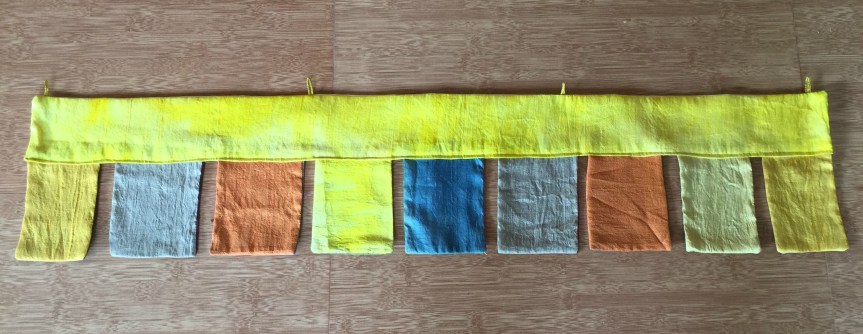
Two days ago, the dye project staff finished the first prayer flag made using dye only from Saraswati garden flowers. I think it is so beautiful.

papermaking

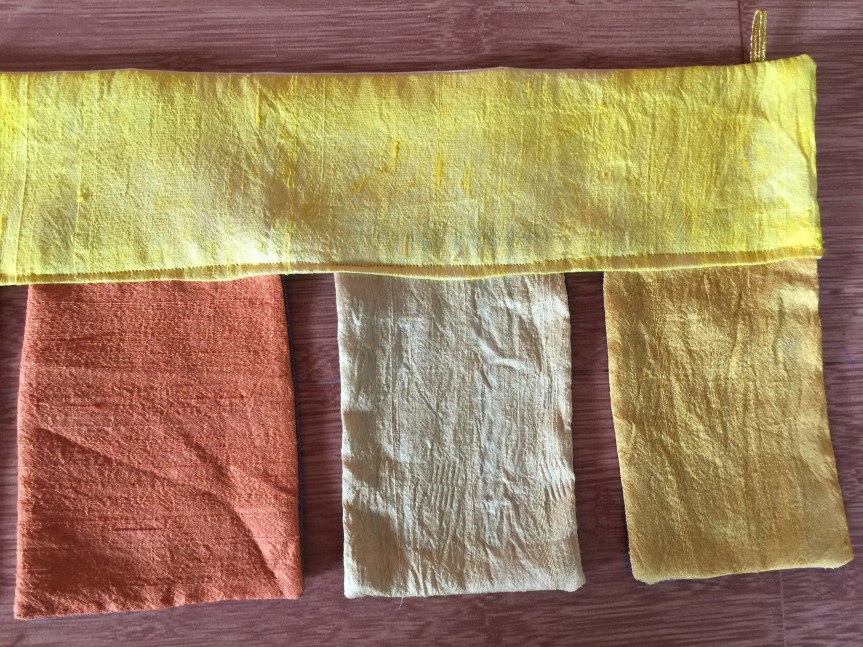
The first flag below was colored with marigold dye, the second was from a rose dye, and the third was dye made from madder root. The dye for the yellow strip that goes along the top was made from turmeric root.

img_5050

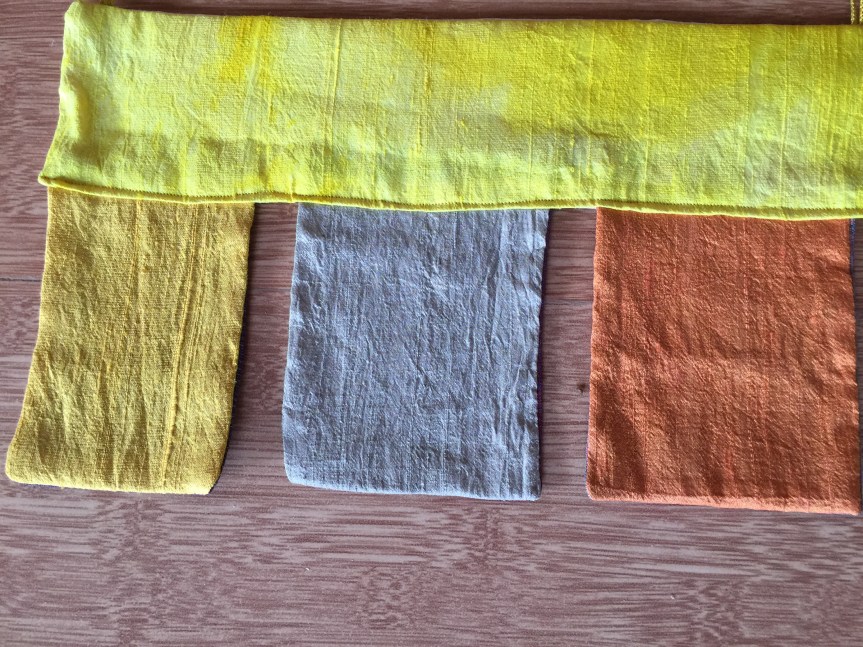
The dye used on the first flag below was made from turmeric root; the second is indigo and the third is rose.

img_5051
The first flag below is another one dyed with madder root, the second and third are both from marigold dye with one being a lighter version than the other.

img_5056

Since I’m learning a bit about making dye from plants this year, I have wondered whether or not I will start making dyes when I return to Seattle. Growing the flowers sounds right; being creative with them sounds right; but at the moment I don’t feel called to dye cloth.

Last night, I thought about the bright yellow marigold dye I saw on the newspaper when I was working with the pulp. Then another memory came to me. Many years ago, I was intrigued by handmade paper. At the time, I wanted to learn how to make it, but never did.

Maybe in my retirement, I will make paper and find ways to dye it using flower petals or roots, or maybe even leaves. Or perhaps the flowers and leaves will be used in other ways, such as in this photo of papermaking in Burma.

paper_making_burma_5
Photo Credit: Wikimedia

Is papermaking on my horizon? It very well could be.


Weekly Photo Challenge: New Horizon

To look at previous posts in this Amritapuri series, click here.

The Stately Coconut Palm Tree

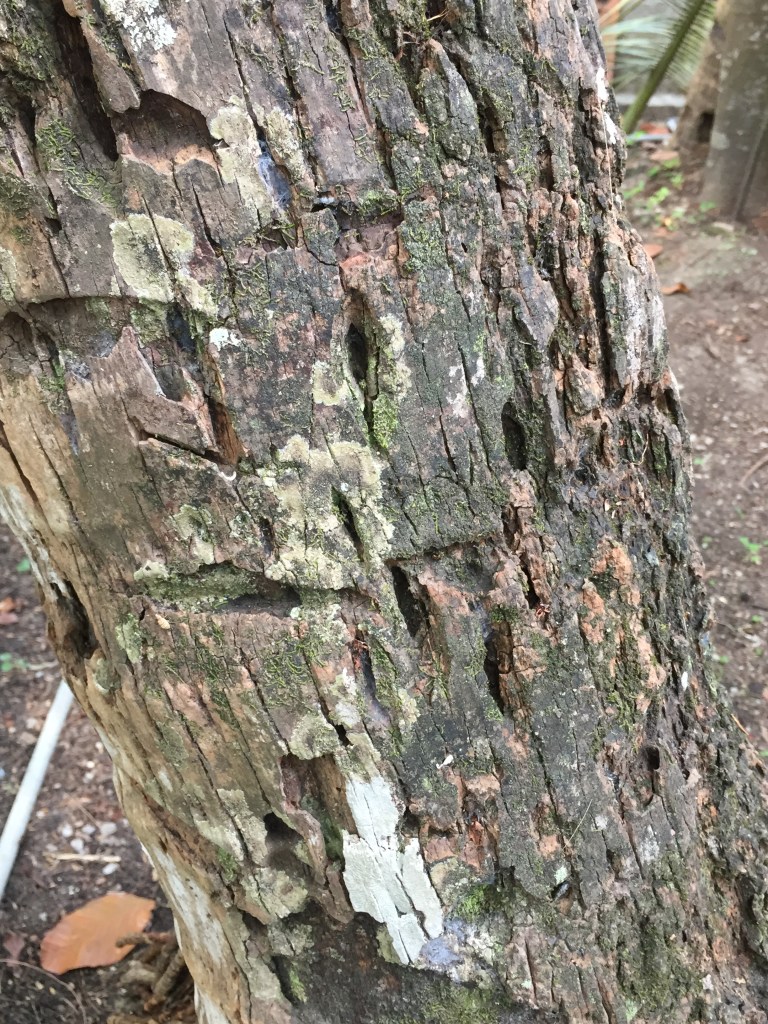
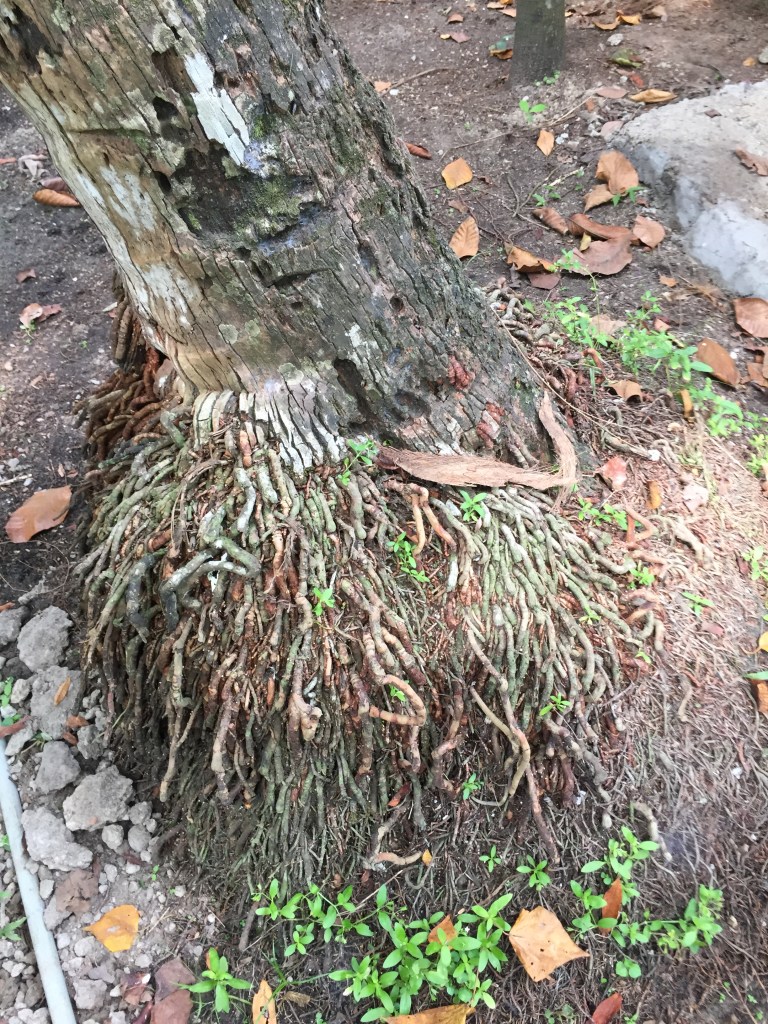
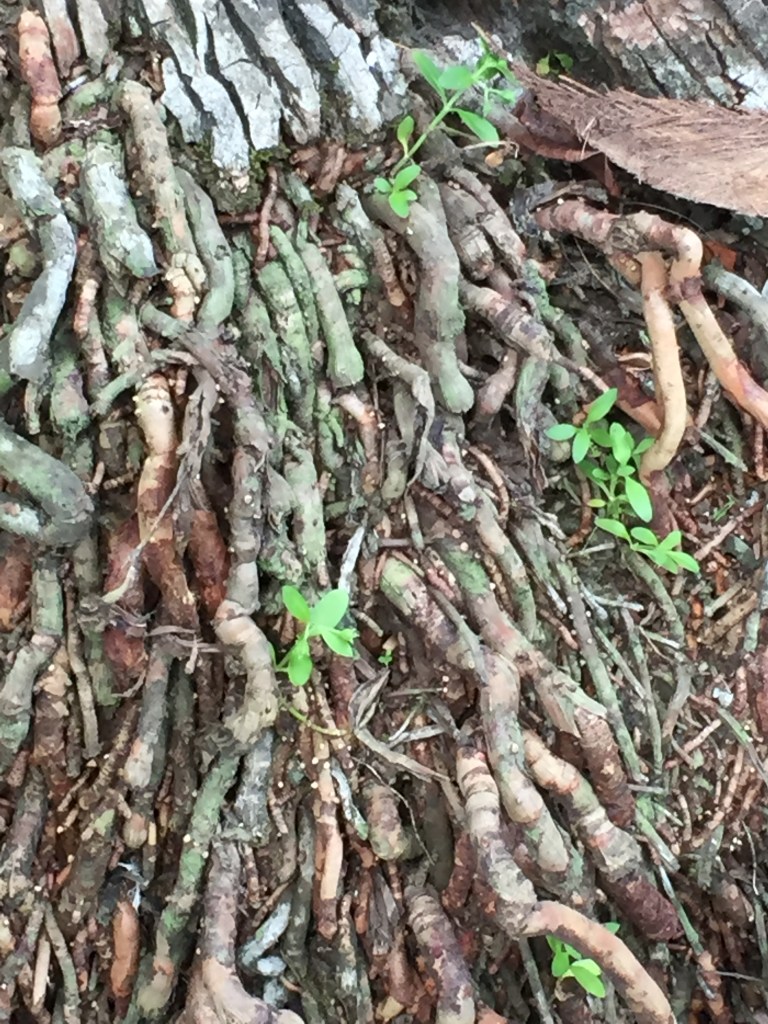
The tree that first grabbed my attention in Saraswati Gardens was one of the palm trees. It is VERY tall, although not as tall as the Kapok tree and has such an interesting base. I wonder how old it is.

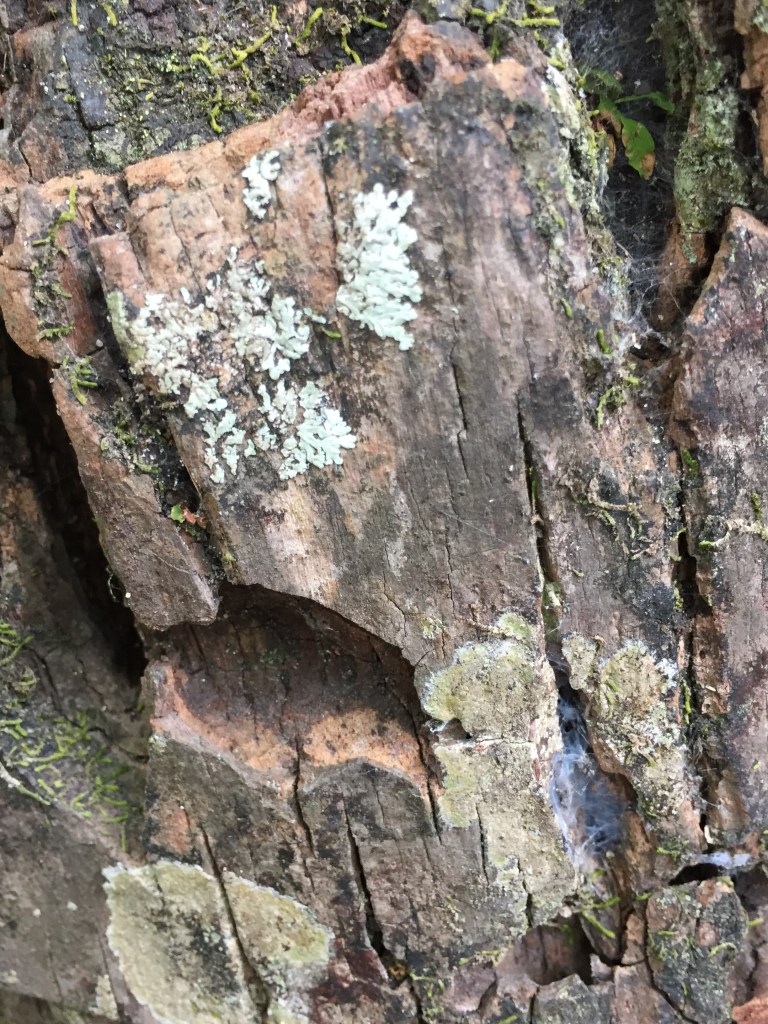
Someone told me that some of the holes in the trunk might have been created by coconut pickers (for foot and hand holds) who were climbing the tree to harvest the coconuts.

I’m going to share the coconut palm tree photographs from top to bottom.

img_4826

img_4829

img_4831

img_4682

img_4683

img_4684

img_4672

img_4673

img_4676

To look at previous posts in this Amritapuri series, click here.

Living and Learning in Amritapuri, India: December 8-11, 2016

img_4967

Tai Chi

We’ve had three Tai Chi classes so far. I so appreciate having the opportunity to take the daily class. In 2015, it lasted an hour; this year it is 1 ½- 1 ¾ hours. Needless to say, I’m in heaven. Being able to do Tai Chi near the beach with beauty in front and over me makes it even more wonderful.

Seva

Devotees are encouraged to do seva while they are here. Seva means selfless service, i.e. volunteer work. There is a seemingly endless number of seva opportunities at the ashram. Think about the fact that five thousand devotees live here and there may be a thousand, or more, visitors every day.

Closer to Christmas there will be 1600 Western visitors plus thousands of Indians. Imagine what it takes to feed and house them, and you will get a sense of the amount of work that needs to be done.

My seva has taken an unexpected turn. For many years, I have helped sew the costumes for the Christmas play. I have experienced an increasing amount of resistance to that job over the last few years, but have continued to do it because the work needed to be done and I wanted to support Jani who is in charge of the costumes and Chaitanya who produces the play.

A few days ago, two friends of mine invited me to join the Sanskrit class they are taking. I had stopped studying Sanskrit about eight months ago. The Indian students learn so fast, since their native languages have a lot of Sanskrit in them, so no matter how many times I take the classes, I reach a point where I am unable to understand the teacher or the students (the classes are all taught in Sanskrit).

My friends’ invitation re-ignited my desire to learn that language. I knew there was no way I could add anything to my schedule without giving something up. I was also concerned about how I would fit in the significant amount of homework the teacher gives.

As I pondered this situation, I started ripping out Velcro from old costumes. My head was lowered as I used the seam ripper on the tiny stitches. My neck started hurting and before long I had a painful headache. All of a sudden, I was flooded with, “I DO NOT want to do this work (i.e. sewing) anymore.”

My desire to stop was stronger than my desire to help Jani and Chaitanya. I told both of them what I had decided. Neither of them was upset that I was not going to help. I was filled with relief and felt so much lighter. (I generally have no trouble saying NO but this situation was an exception!)

I’m still deciding about the Sanskrit class. I have the homework for the next class and will see how long it takes me to do it. The class meets for an hour on Tuesdays, Wednesdays and Thursdays.

Now that I have stopped sewing, I will spend time every day working in the Saraswati Garden. I am very excited about that seva.

Schedule

My schedule is becoming more settled.

6:00-7:30 Wake up, shower, clean room, do laundry, check email, check CNN, check blog, work on blog posts or other computer projects.

7:45-8:30 Breakfast

8:45 -9:20 More of the above

9:30-11:30 Tai Chi (every day but Tuesday) I consider Tai Chi to be my form of spiritual practice.

12:30- 1:00 Lunch  (On Tuesday Amma comes for meditation, question and answers and then serves lunch. That process generally goes from 11:00-2:00.)

1:00-2:00 Watch play practice

3:00ish-5:00 Saraswati Gardens (If I take the Sanskrit class I will start earlier and leave earlier on those days because it is a 20-minute walk to the class.)

5-6 Sanskrit class on Tuesday, Wednesday and Thursday

5:30-6:30 Meditation and Q and A with Amma at beach… on Monday and Friday

6:30-8:30 bhajans (singing)

8:30-9:00 dinner

9-10:00 check email, work on blog

10:00 or 10:30 bedtime

Wednesday, Thursday, Saturday and Sunday are Amma’s public darshan days. They start around 10:00 a.m. and can go until 1 or 2 the next day; they rarely end before midnight. My goal is to give Amma prasad and/or spend some time watching her at some point during each darshan day.

Breakfast visitor

A Kingfisher bird was perched near the table where I had breakfast yesterday. I thought it was stunning. I found a photo to show you on Wikipedia.

alcedo_azurea_-_julatten

White flowers of peace

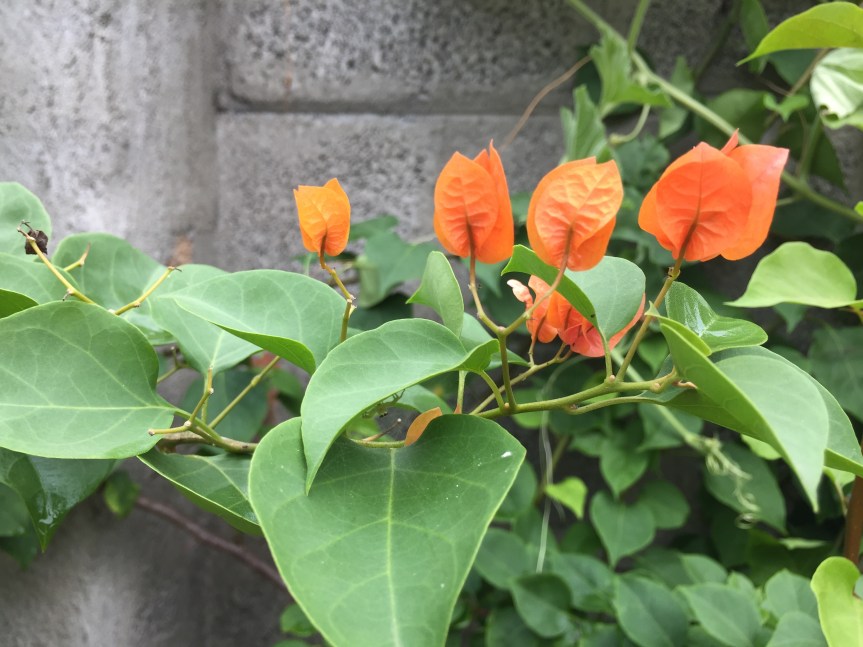
Every time Amma leads a mediation, she asks us to visualize white flowers of peace falling onto every person, animal, and plant on earth. When she does that, I always think of all the beautiful white flowers I have seen in Amritapuri.

Saraswati garden

I love the path that leads to the Saraswati garden.

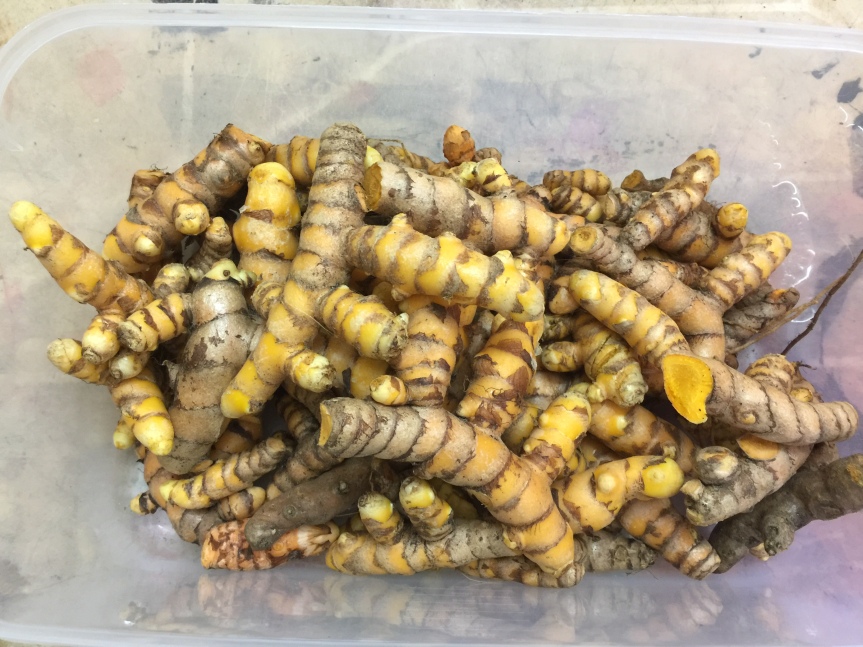
In a previous post, I mentioned that the garden staff had tried to harvest turmeric root earlier in the week but when they only found a few small roots they decided it wasn’t ready. The next day, they realized they needed to dig deeper. When they did, they found lots of roots; roots that were ready for harvesting.

img_4992

Yesterday, Padma cooked and then sliced them. When I went to the garden today, I saw that she had set them in the sun to dry.

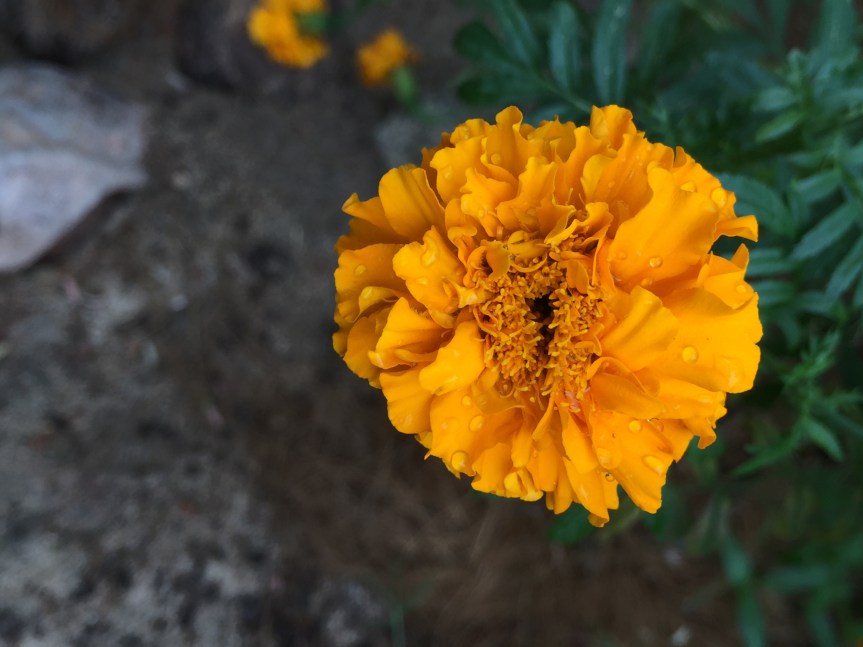
Some days I work in the garden and sometimes I help Padma with the dye project. Twice, I’ve gathered and petaled marigold flowers.

One of the items they are making in the Saraswati center are prayer flags. If I remember right, the material at the top of the photo below was dyed with marigolds, and the one on the bottom was dyed with turmeric. img_5021

The last two days, I’ve helped research ways of making paint from marigolds.

Christmas Eve play

The play preparations are well underway. There are rehearsals going on all day, from morning to late at night. (Play participants also do their sevas so they have a very full day.)

Individual scenes are being rehearsed now and then the week before Christmas they will all be put together. I have watched at least part of a rehearsal every day, and when I am in my room at night, I can still hear the singers practicing. For a few minutes tonight, I watched the cast practice one of the dances.

The backdrop for the play is being painted on the porch of the Saraswati garden so I have been able to watch that process as well. I think it is beautiful.

img_5040-1

To look at previous posts in this Amritapuri series, click here.

A Visitor Came

img_5002

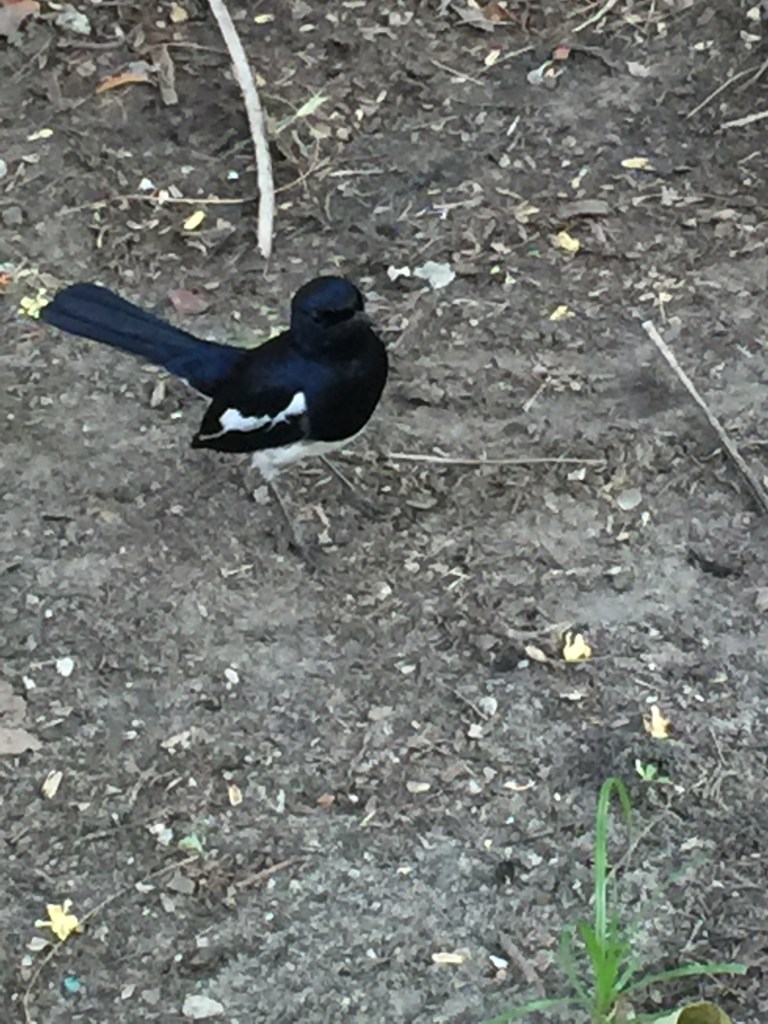
This beauty came to visit Advait and me as we were creating a new compost pile in Saraswati Garden today. I believe it is a Dhyal bird.

Advait has been talking to it daily, but he said this is the first time the bird hasn’t flown away. It seemed to me that the bird was enjoying posing for photos!

The breast of the bird is white; as is the underneath portion of the tail. At one point when it was posing, it turned around so I could see the white part of its tail. I regret that I wasn’t quick enough to take a photo.

To look at previous posts in this Amritapuri series, click here.

Making A Difference

img_4781

Many years ago, at the the end of the programs in each city on Amma‘s North American tour, there was an announcement that contained a story about a squirrel who contributed to the building of the Rama Setu bridge. The squirrel participated by rolling in the sand and then going to the end of the bridge and shaking the sand off, chanting the name of Lord Rama throughout the process.

Lord Rama rewarded the squirrel by picking him up and stroking his back. From then on, this type of squirrel had three stripes on its back, stripes that went from head to tail. The stripes are seen as Lord Rama’s fingers. At Amma’s programs, this story was used to teach that everything we do to contribute makes a difference.

I remember thinking that what was called a squirrel in the story must be what we call a chipmunk. Since then, I have learned that the squirrel is a palm squirrel and it the same size as a large chipmunk.

On one of the first days I was in the Saraswati garden, I heard a sound. I thought it was a bird at first, but when I followed the sound, I discovered it came from the squirrel in the picture at the top of this post. I didn’t know squirrels were so loud! Here are two more photos of that squirrel:

A few days ago, I saw another squirrel in the garden; or maybe it was the same one. I feel so privileged to have been able to watch squirrels like the one in the story I have heard so many times.

img_4833


To look at previous posts in this Amritapuri series, click here.

Living and Learning in Amritapuri, India: December 5-7, 2016

img_4861

Time with Amma

Amma has been coming to the hall for bhajans ever392459_424932434197260_100000415226106_1515768_2126126191_ny night since she returned from the Europe and U.S. tour. On Monday evening, we thought she would also be coming to the beach to meditate with us. Traditionally that gathering occurs at 5:00.

I left my flat late, so expected that Amma would have already started the meditation. When I walked by her house, though, I noticed quite a few people were standing at the bottom of her stairs. That meant she was still there.

When I arrived at the beach it was 5:30. About 15 minutes later, someone either heard or made up that Amma wasn’t going to come and got up to leave. That rumor (if it was a rumor) spread quickly and many people headed back to the ashram. I decided to leave as well.

As I was stacking my chair on the others, I heard someone say, “Amma is coming.” Everyone started running back to the beach creating a lot of chaos. Amma arrived soon thereafter, laughing. There is Sanskrit word that means God’s play. That word is leela. This whole thing felt like a leela to me.

Once Amma arrived at the beach, she led a short meditation and sang one bhajan. She then gave darshan (hugs) to the people who were leaving that evening. Afterwards, she walked to the auditorium for evening bhajans. (Note: Amma has given hugs to 36 million people!)

On Tuesday, Amma came to the auditorium around 11:00 a.m. for meditation and questions and answers. She then served lunch to all of the residents and visitors. This happens every Tuesday that Amma is in the ashram.

Normally, everyone comes to Amma to pick up their plate. This time she passed the plates to the people in front of her and they handed them back until everyone in the auditorium had a plate of food. There were at least two thousand people there, and probably more. It took a lot of time to do it that way, but probably less than the time it takes for everyone to walk to the front. No one eats until everyone is served the the meal prayers are sung.

Today (Wednesday) was the day I planned to get my hug. It seemed like a comparatively small crowd so I thought it might happen. I knew from experience though, that there was a good chance it would be another leela.

In the morning, I waited in the long Westerner’s token line. We were told that anyone who hadn’t gone on the autumn tour could go for darshan today. Just as I got to the front of the token line, the directions changed. At that point, we were told that we should wait to have darshan tomorrow unless we were leaving the ashram today. This was definitely a familiar leela for me and a chance to practice letting go, equanimity, and seeing the humor in the situation.

During the afternoon, I walked by the area where Amma was giving darshan and noticed the prasad line. I had forgotten all about prasad giving even though that is one of my favorite things to do. Prasad is a gift to or from a spiritual being. Amma’s form of prasad is the sacred ash and piece of candy she gives each person who comes to her. The prasad giver is the person who hands Amma that prasad.

Before long, it was my turn. As always, I enjoyed being that close to Amma. Often the word “home” goes through my mind each time I hand the prasad to her. I love that experience.

Tonight, Swami Pranavamrita, who is one of my favorite singers, sang Amme Yi Jivende, which used to be one of my favorite bhajans. I still remember a time in the early 90’s when I was sleeping on a devotee’s roof during a program in Trivandrum. As I lay there, I heard a Swami singing that song in the nearby ashram and it felt like he was singing a lullaby to the infant part of me.  Tears rolled down my cheeks as I listened to the song and recalled that long ago incident.

As I am finishing this post, Amma has been giving darshan for 10 1/2 hours with no end in sight. I am likely to be asleep long before she finishes.

Saraswati Garden

I’ve spent some time in the garden almost every day. One day, I watered most of it. I really enjoyed giving attention to every plant. An edible plant was pointed out to me. I ate two of its leaves and loved it. Do any of you know anything about the plant in the photo below? I want to grow it in Seattle!
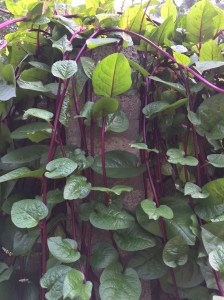
img_4724

In one of my last posts, I mentioned salvaging bricks from the construction waste. They will be used for projects in the garden. Here is a photo of one of those waste piles:
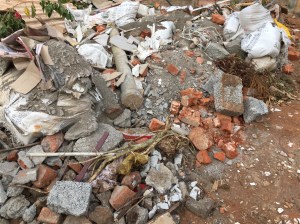
img_4876

Yesterday, the garden staff planned to dig up the root of a turmeric plant so that they could make dye from it. They checked two plants and decided that the roots weren’t ready for harvesting yet. I was able to take a photo of the root before they covered it up again. There is a lot of turmeric growing throughout the garden.

Tai Chi

My Tai Chi class will begin tomorrow. I am SOOOOOOOOOOOO happy. I was given a special gift yesterday. The teacher was going to check out the room we will use and asked if I wanted to go there with her. She said we could do some Tai Chi together while we were there. Needless to say I jumped at the chance.

The room was in the Ayurvedic building which is located near the beach. It would an okay room, but the car traffic was VERY loud. (Everyone incessantly honks in India as the drivers weave in and out of traffic. That happens even on the small beach road.)

We practiced the full 108 moves of the Yang Tai Chi form. I was in heaven. She does the moves a little different than we do in my Seattle class, but the Tai Chi I learned in Amritapuri last year came back to me so fast. My body definitely has memory of its own. My mind just has to catch up. I suspect I’ve been doing Tai Chi for many lifetimes.

As we left the building, we saw a place outdoors where we will probably hold the class. I am excited for tomorrow to come.

Play preparations

The preparations for this year’s play are underway. When I was walking back to my flat two days ago, I heard Sreejit singing. I followed the sound and found the musicians practicing. I listened awhile. The music was so beautiful.

This afternoon was the first time everyone participating in the play met. Chaitanya went over some logistical information and then talked about the play. She told the story, scene by scene. If you haven’t seen the photos from last year’s play that I posted during my layover in Dubai, take a look.

There are some pigs in the play and this morning Jani and I went to the kitchen to see Chaitanya with pig noses on. She started laughing when she spotted us. (Jani designs and sews most of the costumes. I help with the sewing.)

Rupees

I was asked to give an update on the money situation. It is difficult to get the 2000 rupee bills cashed and the banks and ATMs only give out 2000 rupee bills. I have found a few ways to get small change so I’m okay, but it isn’t easy. Everyone certainly has to think twice before spending money. This problem has to be hurting the merchants so much.

Weather

Last year, the weather at the ashram was hotter than I had ever experienced in December. When I reached the ashram this year, it was hot again. Over the next two days it got considerably cooler. One night, I even put on a long sleeve shirt when I went out. That night I didn’t turn on the fan in my room for the first time in memory. The next night during bhajans, the fans in the auditorium were all on and I got really cold. I didn’t want to walk out, but towards the end I went to the back of the room. I eventually returned to my room and put on a flannel shirt. That’s a first!

One afternoon, it rained hard. After ten minutes, it was over and the sun came out. The last few days it has been back to hot.

Exercise

I’ve noticed more and more people are exercising by circumambulating the auditorium. Each round is about 1/5 of a mile. Some people walk casually, some jog. A few days ago, I saw a woman around my age power walk around it for at least half an hour. I tried circumambulating it one day but stopped after four rounds. It was too hot for me!

Yesterday, I heard that Amma had told the brahmacharinis (female monks) that they should circumamulate the temple and the auditorium 9 times a day. That would double the length of the walk. I wonder what directions she gave the men. They can’t walk the same route the women are taking because it goes through the brahmacharinis’ living area.

I don’t concern myself about exercise here. I walk more than double the distance I walk in Seattle just in the normal course of living. Once the holidays come, the crowds will get big. At that point, I will start walking up the stairs rather than waiting for the elevator ,so that will add even more exercise to my day.

This post is long enough, and it is time for me to go to bed so I will stop for now. I hope all is well for you and yours.

To look at previous posts in this Amritapuri series, click here.
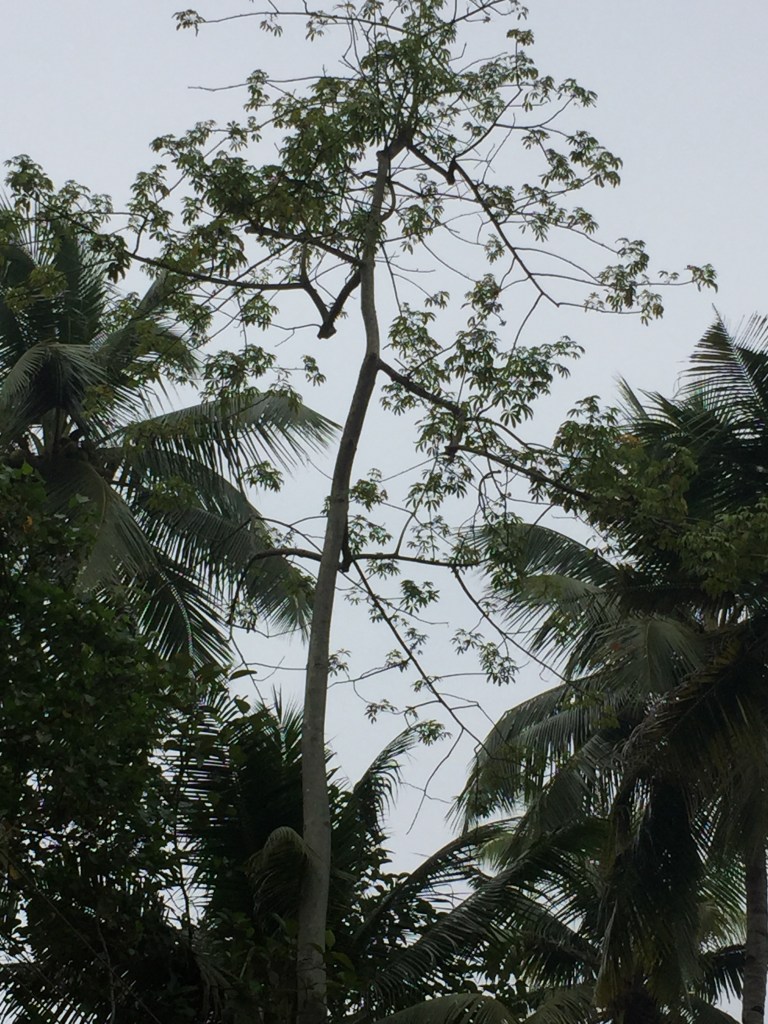
The Amazing Kapok Tree

hekapok-pod

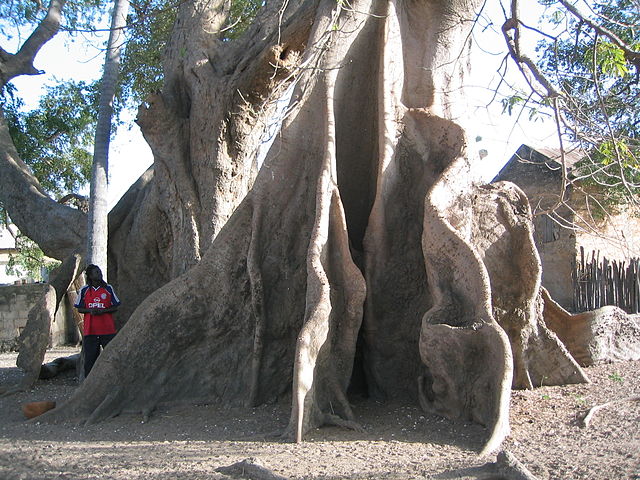
One of the trees in Amritapuri’s Saraswati Garden is a Kapok tree (Ceiba pentandra) I have learned that these trees can reach a height of  200 feet. My guess is that the one in the Saraswati Garden is 125-150 feet high. It is the tallest tree in the garden.

When I looked for photos of Kapok trees on Wikimedia Commons and Google Images, I saw that the trunk of the trees can be gigantic, such as the one in this photo:

Photo Credit: Wikipedia
Photo Credit: Wikimedia

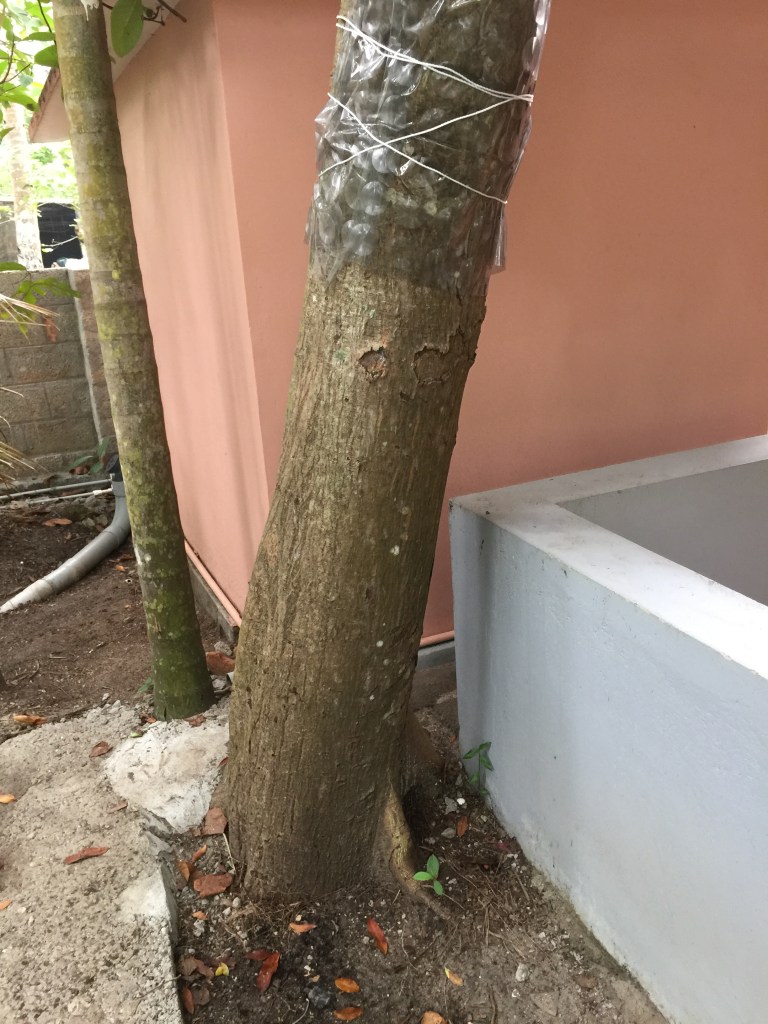
They can also be small like this one in Amritapuri.

img_4800

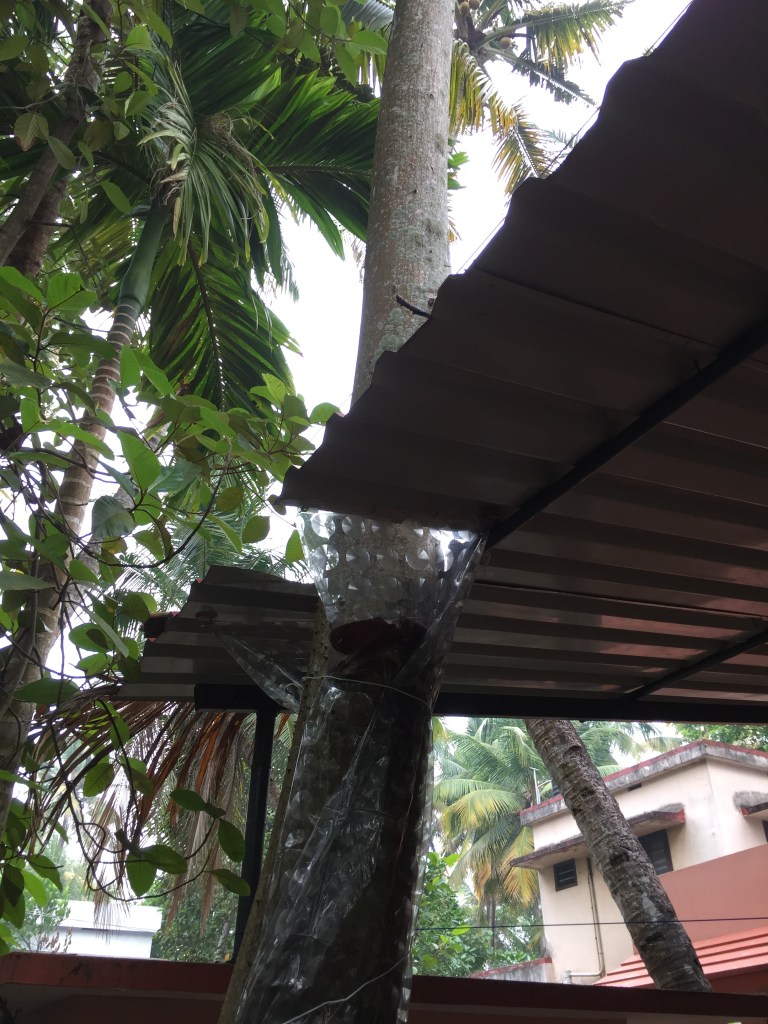
I stood by the Kapok tree in the Saraswati Garden and looked up. Notice how the building’s metal roof has been cut away so that it doesn’t impact the tree.

img_4801

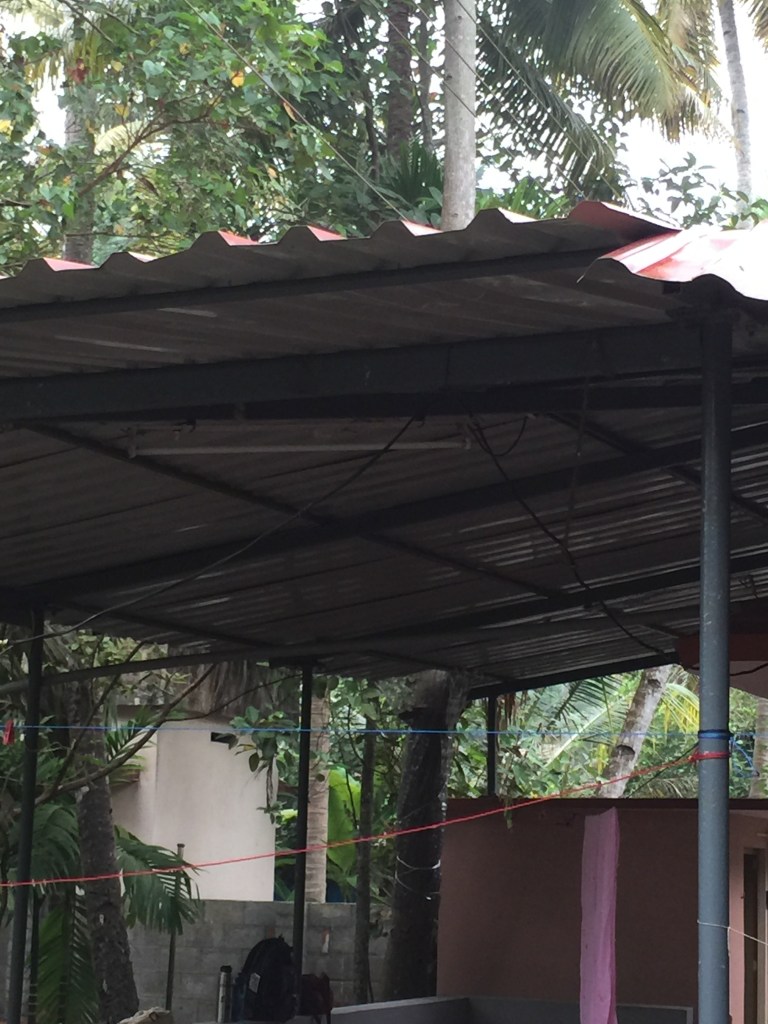
I looked for a place to take a photo that showed both the bottom part of the tree and the part that was above the house.

img_4805

I still couldn’t see the top of the tree from where I was standing, so I found a different vantage point.

img_4803

img_4807

Seed pods, like the one at the top of this post, drop from the tree when they are ready. Inside, there is a substance that is very silky. It also bears resemblance to cotton and wool. Notice the seeds that are scattered throughout the silky material.

A Rainforest Alliance article said this about the Kapok tree:

The majestic kapok tree has many uses for humans. Its wood is lightweight and porous; good for making carvings, coffins and dugout canoes. The silky fibers that disperse the seeds are too small for weaving but make great stuffing for bedding and life preservers. Soaps can be made from the oils in the seeds. Other parts of the giant tree are used as medicines. In ancient times, the Maya believed that the kapok tree stood at the center of the earth.

In Amritapuri, the pod contents are being used to stuff meditation pillows. I look forward to telling the devotees who are working in this garden that the oil in the seeds can be used for making soap and that pillows stuffed with the silky filaments will float!

To look at previous posts in this Amritapuri series, click here.
cropped-senior-salon


Shared on Senior Salon