Wordless Wednesday

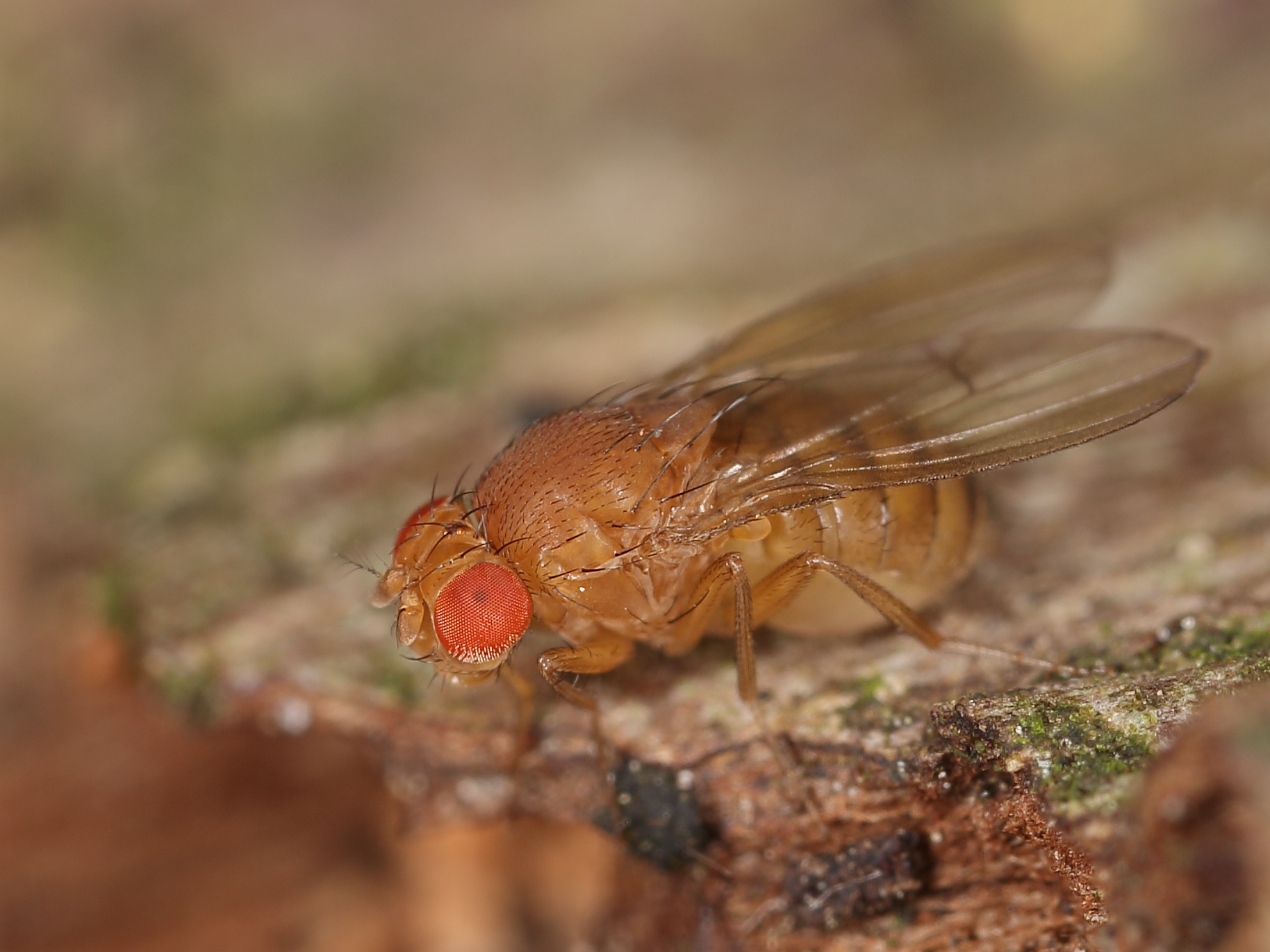
As many of you know, learning Sanskrit is a passion of mine. I take two classes a week and each of the classes require that I write five or more sentences in Sanskrit. This week I decided to do something even more ambitious. I took much of the information from my recent fruit fly post and translated it into Sanskrit. I finished the homework by writing the sentences as if they were being spoken in a science class where the teacher was asking the children what they knew about fruit flies.
आचार्या – सुप्रभातं बालाः। अद्यतन विषयः फल-मक्षिकाः।
Teacher – Good morning children. Today’s topic is fruit flies.
आचर्या – भवन्तः विषये फल-मक्षिकानां किं जानन्तिः।
Teacher – What do you know about fruit flies?
सुल्मा – फल-मक्षिकाः अष्टतः दश-दिनानि जीवन्ति।
Sulma – Fruit flies live from 8 to 10 days.
आचर्या – उत्तमं सुल्मा। डेविद्?|
Teacher – Very good Sulma! David?
डेविद् – स्त्री फल-मक्षिकाः पञ्चशत-अण्डानि दश-दिनेषु स्ठापयन्ति|
David – Female fruit flies lay 500 eggs in 10 days.
आचर्या – सम्य़क् डेविद्। रमणः?|
Teacher – Good David. Ramana?
रमणः – एकस्मिन् फल-मक्षिकस्य नेत्रे ७६० दीप्तोपलाः सन्ति|
Ramana – In a fruit fly’s eye there are 760 lenses.
आचर्या – आम्। सम्यक्। अन्ये वदन्तु।
Teacher – Yes, good! Others speak.
बार्बरा – फल-मक्षिकाणां रक्त-नेत्रौ पिङ्गल-देहा: तेषाम् उदरेषु कृष्ण-रेखाः च सन्ति |
Barbara – Fruit flies have red eyes, brown bodies, and black stripes on their abdomens.
सवत्री – फल-मक्षिका: पक्षौ द्विशत-वारं पतिक्षणं अ्भिविक्षपन्ति |
Savatri – Fruit flies wings beat 200 times per second.
रामा – फल-मक्षिका: विज्ञान-प्रकल्पेषु उपयुक्ता: सन्ति |
Rama- Fruit flies are useful in scientific research
कर्ल् – फल-मक्षिका: चत्वरि-chromosomes मानवानां इव सन्ति |
Carl – Fruit flies have four chromosomes that are similar to humans’ chromosomes.
सुमती – फल-मक्षिका: Parkinson’s, Alzheimers, aging, cancer, immunity, alcohol, and drug abuse विज्ञान-प्रकल्पेषु उपयुक्ता: सन्ति |
Sumati – Fruit flies are used in Parkinson’s, Alzheimers, aging, cancer, immunity, alcohol, and drug abuse research.
सुसन् – फल-मक्षिका: क्षीयमाणानि फलानि शखानि खादन्ति।
Susan – Fruit flies eat decaying fruits and vegetables.
स्टॆव् – विगल-फलानि मा खादतु। तेषु फल-मक्षिक-अण्डानि भवेयुः|
Steve – Don’t eat rotten fruit. There may be fruit fly eggs and disease (causing organisms) in them.
आचर्या – उत्तमं बालाः। श्वः इतोपि वदिष्यामः विषयॆ फल-मक्षिकाणां |
Teacher – Very good, children. Tomorrow we will talk more about fruit flies.
[Thank you Madhavi for helping me with this translation! I so appreciate your constant support.]

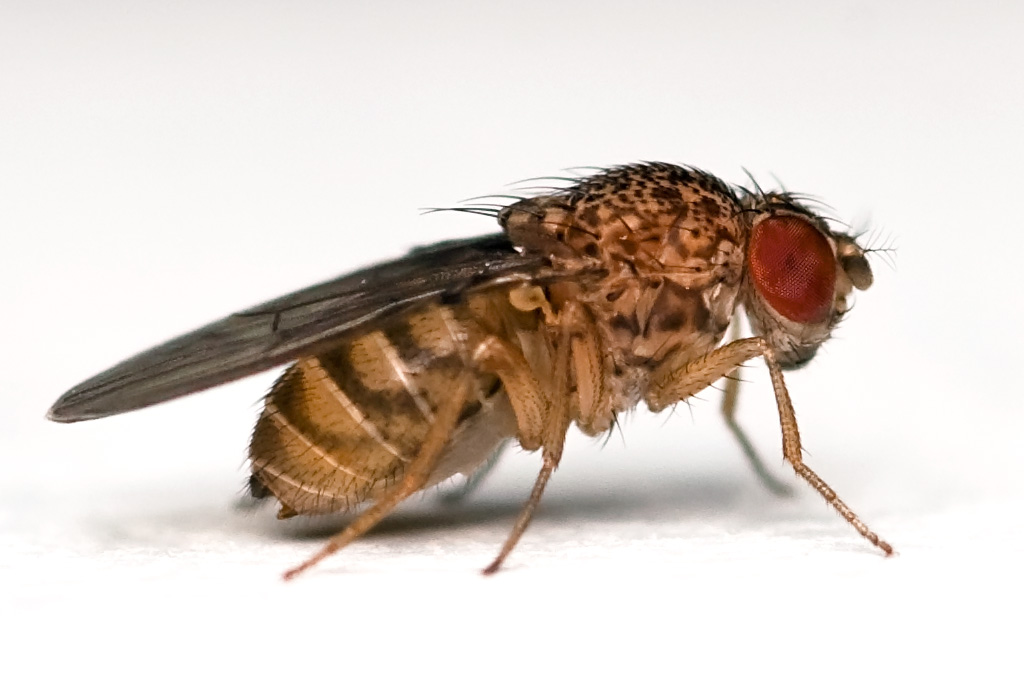
I do my best not to kill spiders, bugs, and insects but fruit flies can be so overwhelming. Even when I put my fruit in the refrigerator, at some point during the summer I usually end up resorting to trapping them with vinegar. Perhaps because the summer was so warm this year, there were more fruit flies than normal. Once, when I opened my outdoor compost bin, the swarm that emerged was so huge I could barely breathe. One day, I visited a friend’s house only to find a big swarm of fruit flies in her kitchen, even though there didn’t seem to be anything present in the kitchen to draw them.
During the last few months, I have posted interesting facts about ants, aphids and slugs on this blog. I decided to do the same for fruit flies. I was astounded at what I learned about them.
Here is an interesting video of the developmental stages of a fruit fly’s life.
Well, the fruit fly may be considered a nuisance pest, but I can see that they provide important services to this world. I will never look at them the same again!
References:
5 Things You Didn’t Know about Fruit Flies
Drosophila melanogaster: Common Fruit Fly
Basic Fruit Fly Facts
Fruit Flies
Top Ten Fascinating Facts about Fruit Flies
This article will also be published in the November issue of the PNW GreenFriends Newsletter. To see previous issues of that newsletter click here.
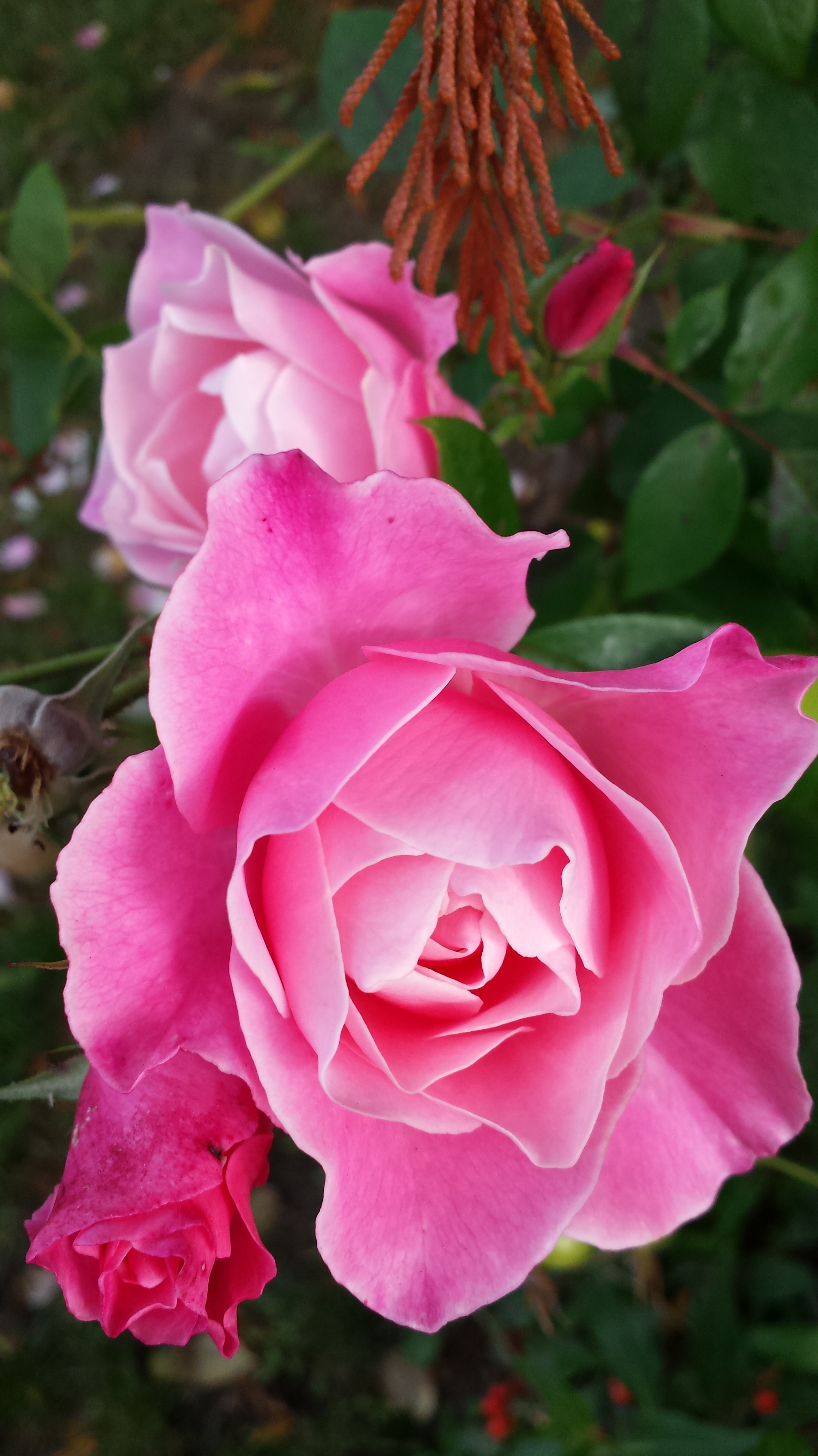
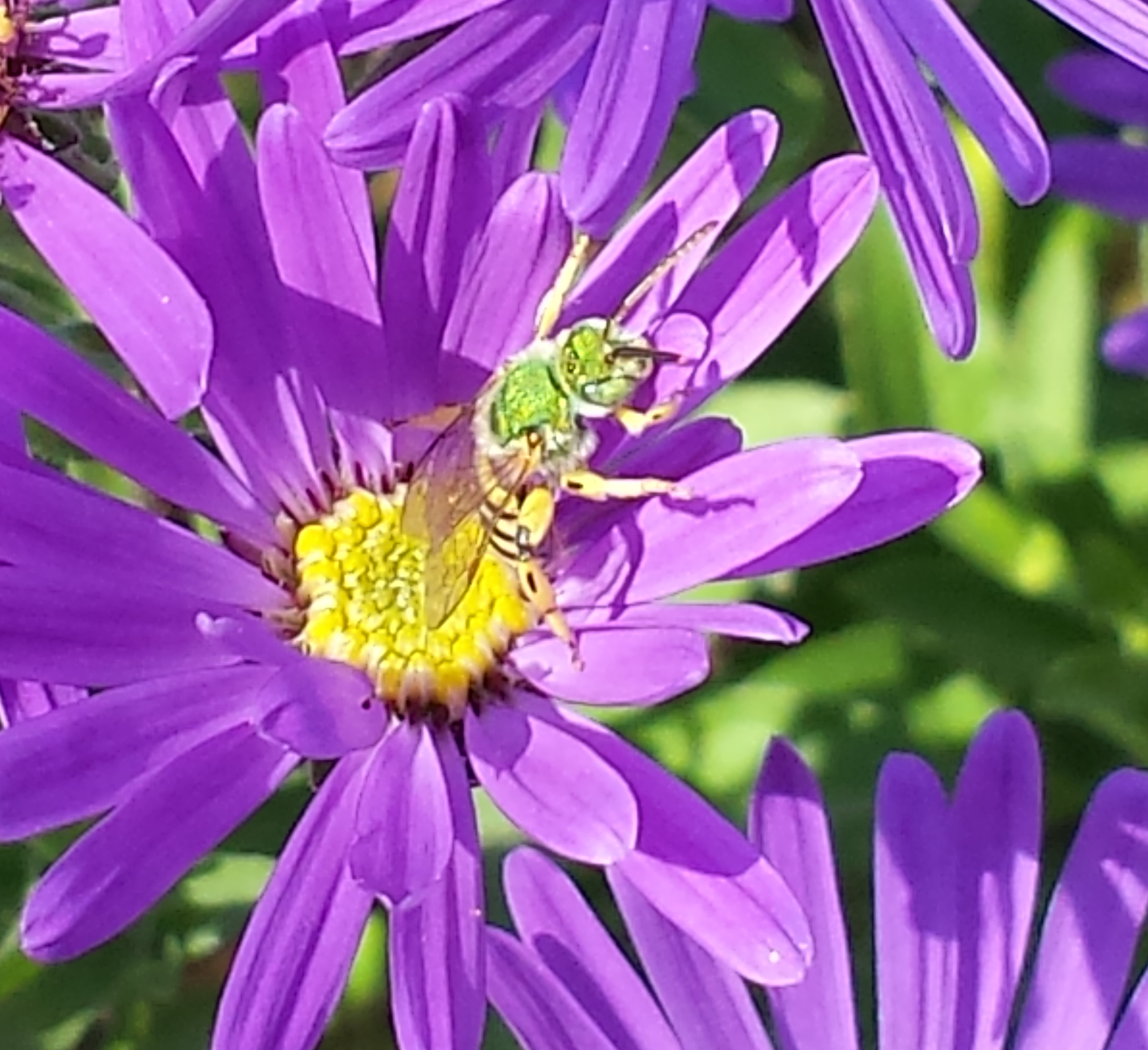
To me, close ups always show the ordinary to be extra-ordinary.
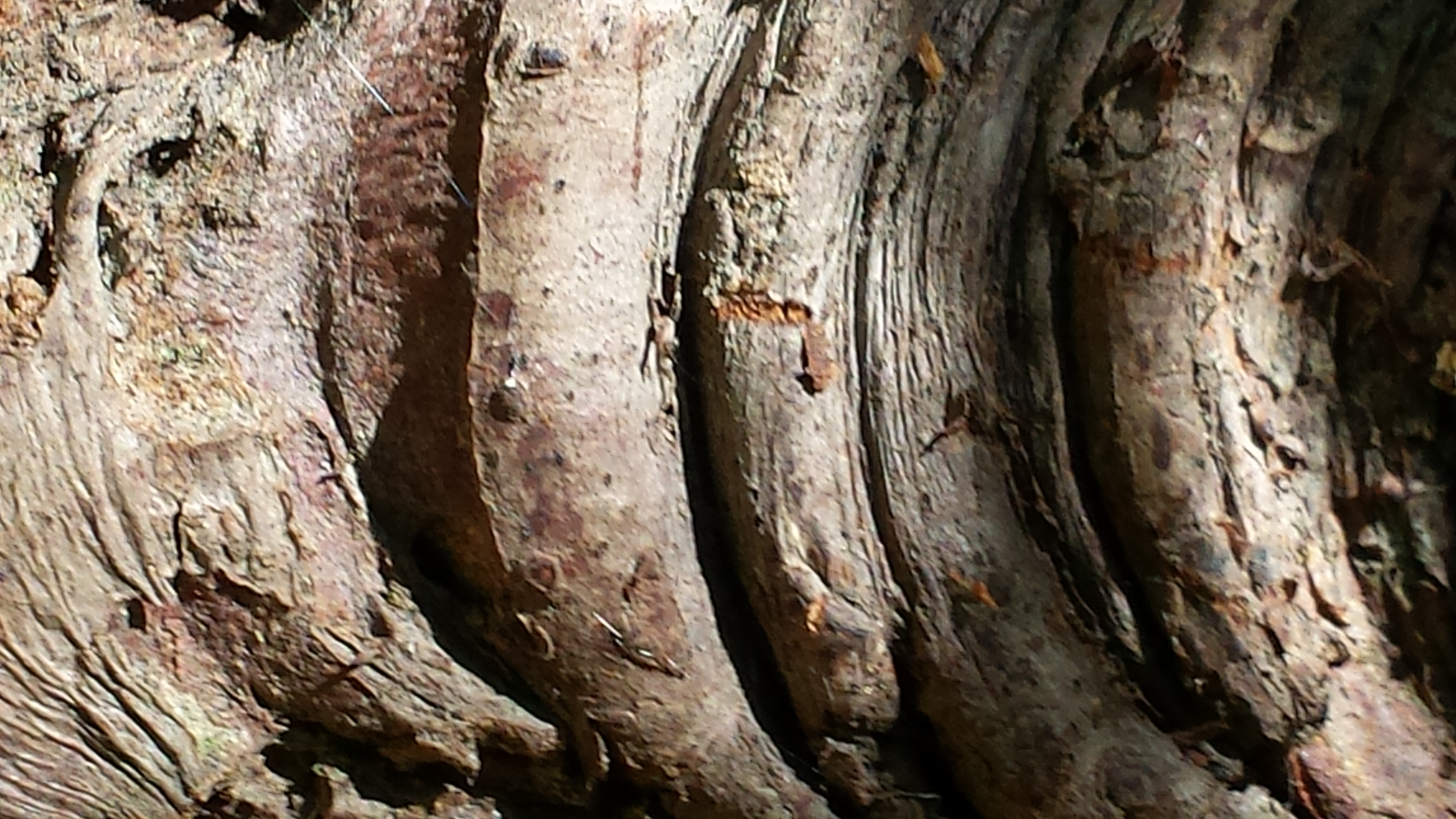
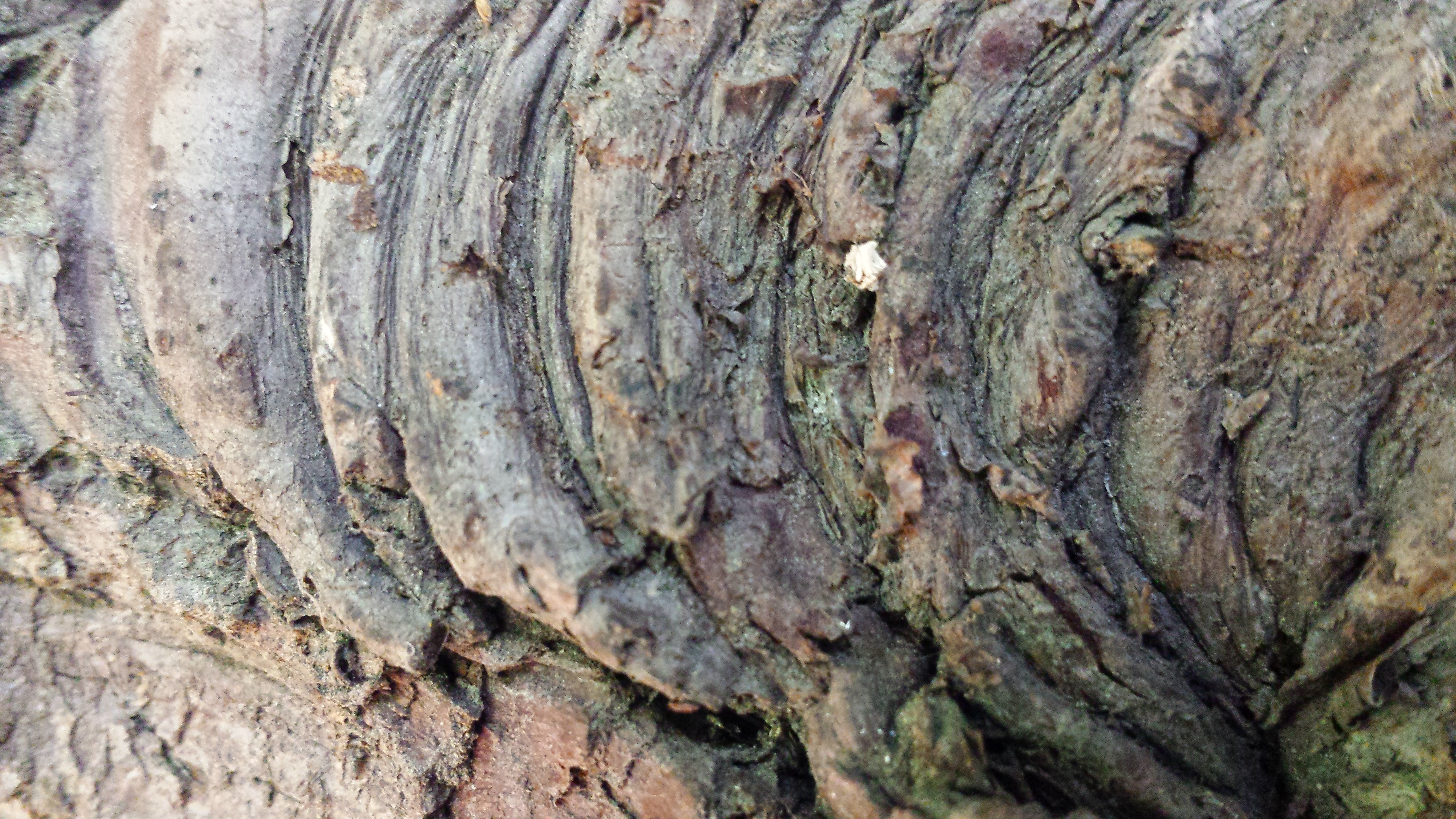

Written for Weekly Photo Challenge: (Extra) Ordinary
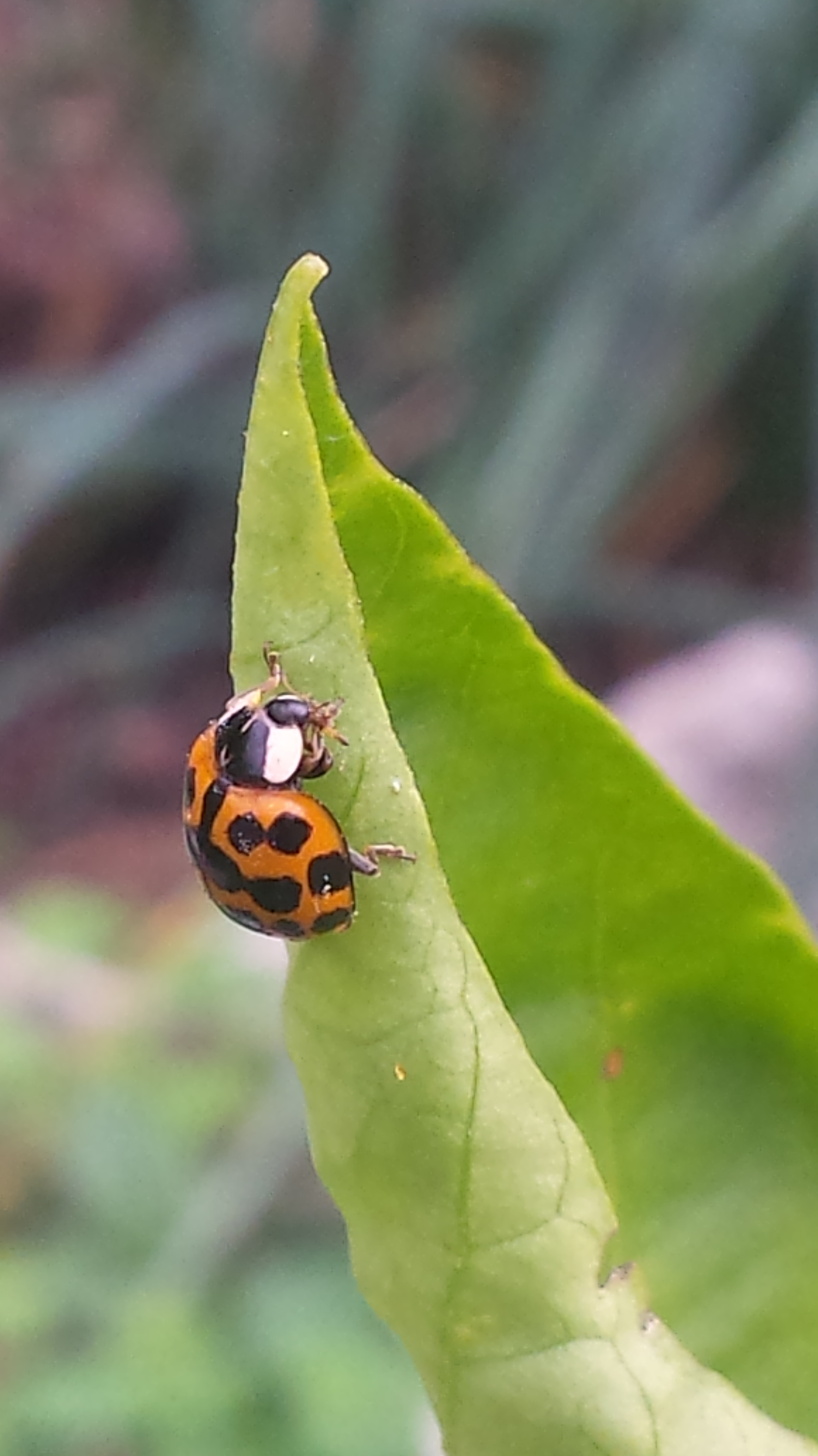
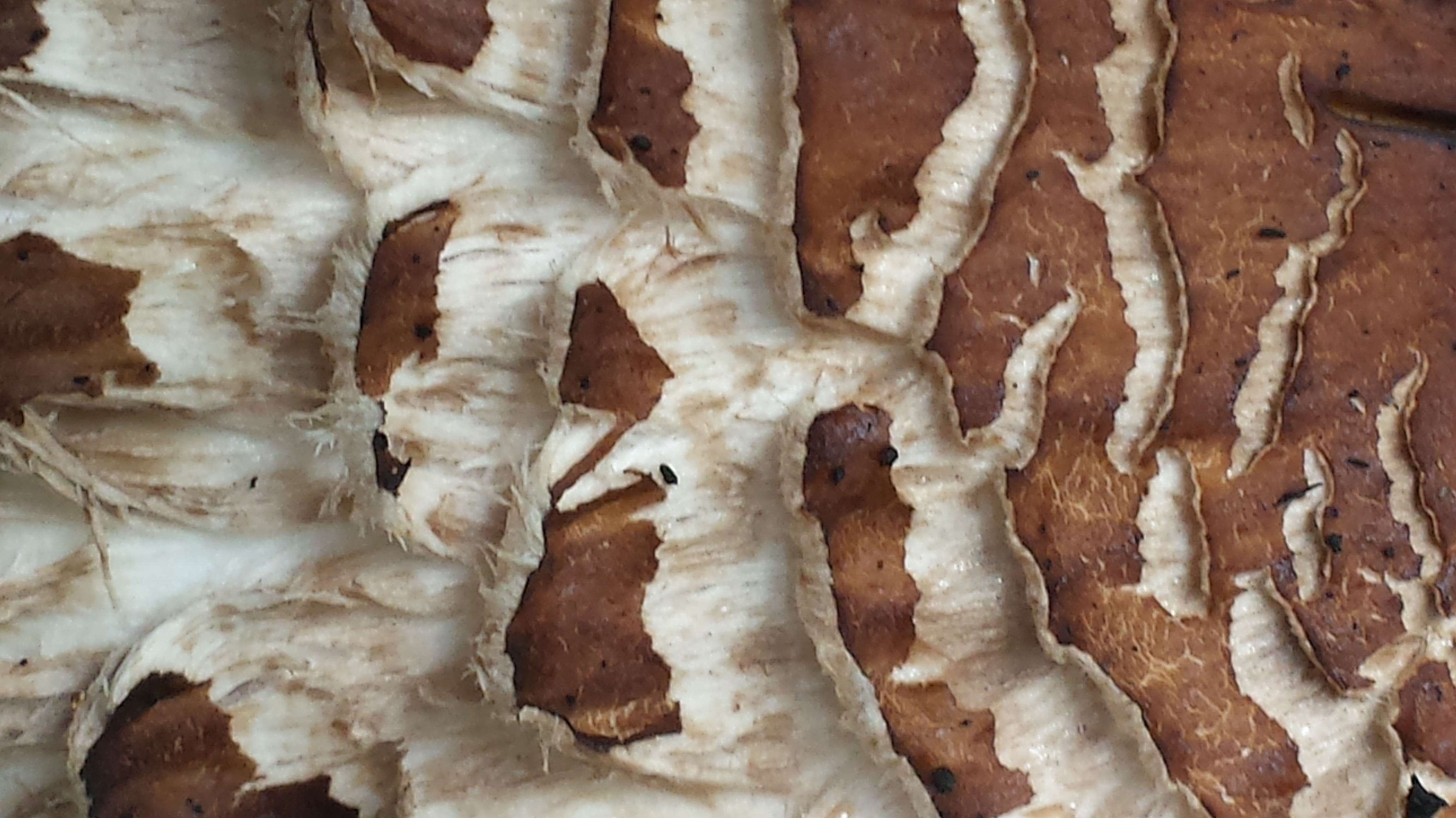
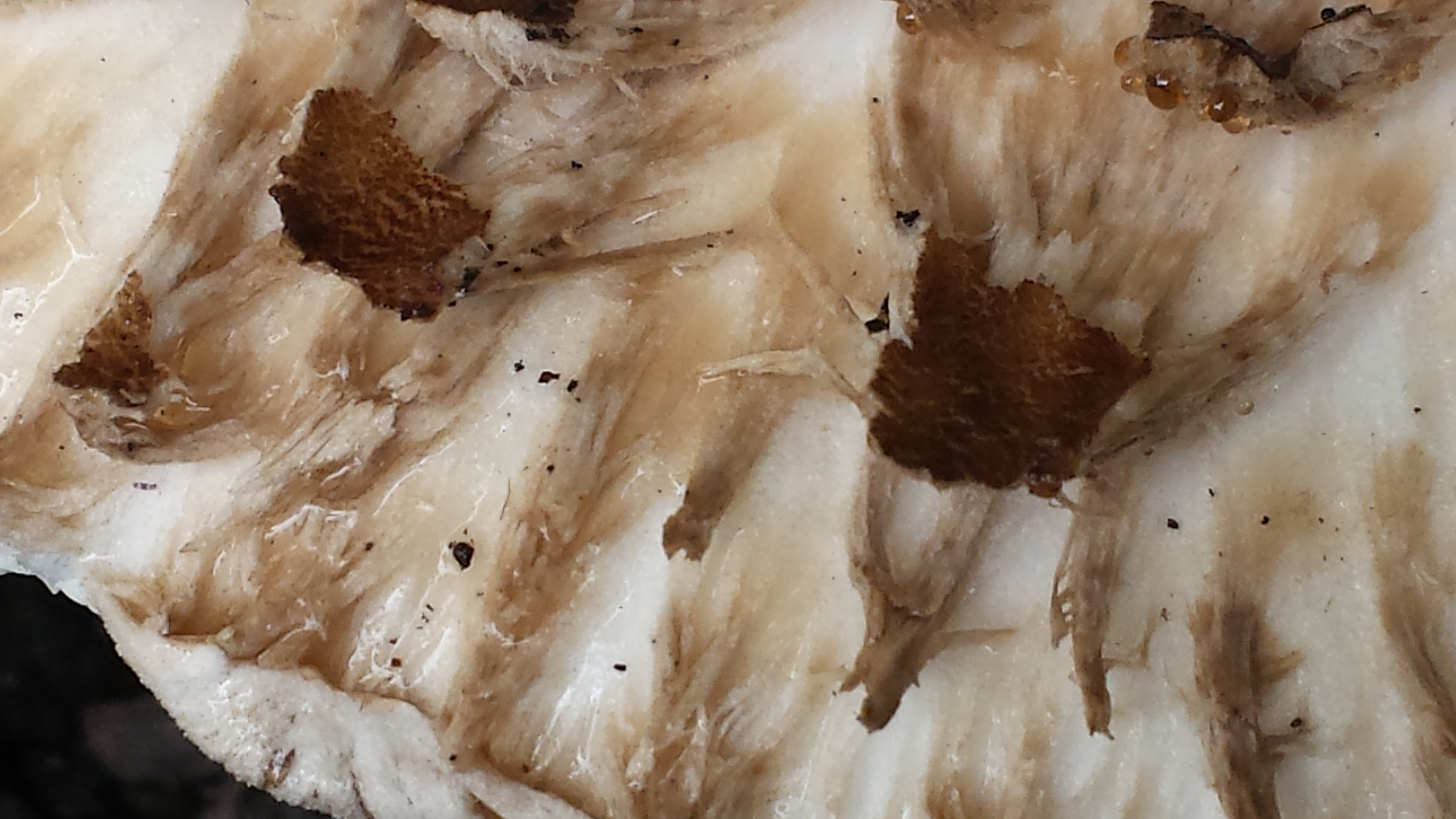
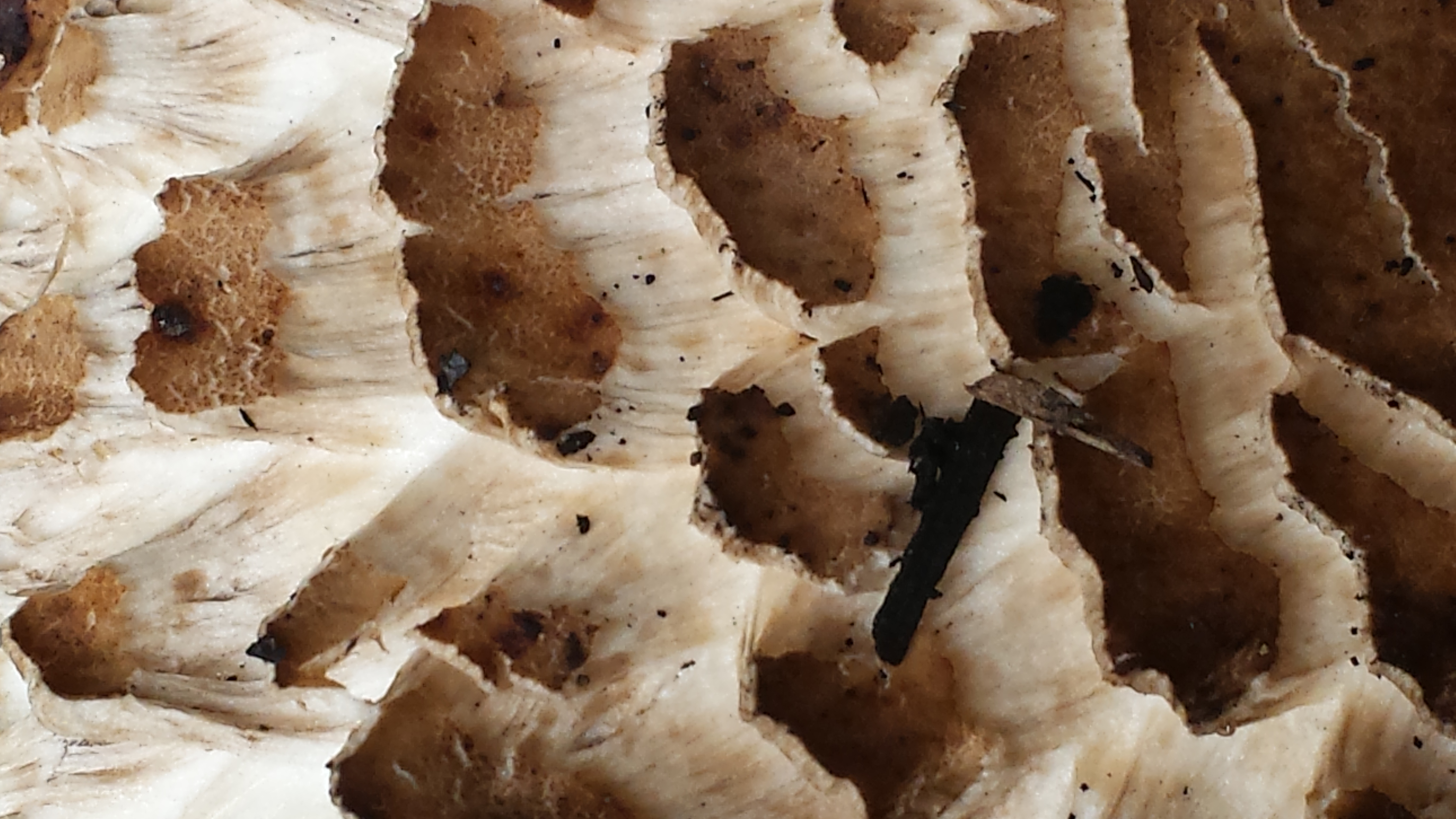
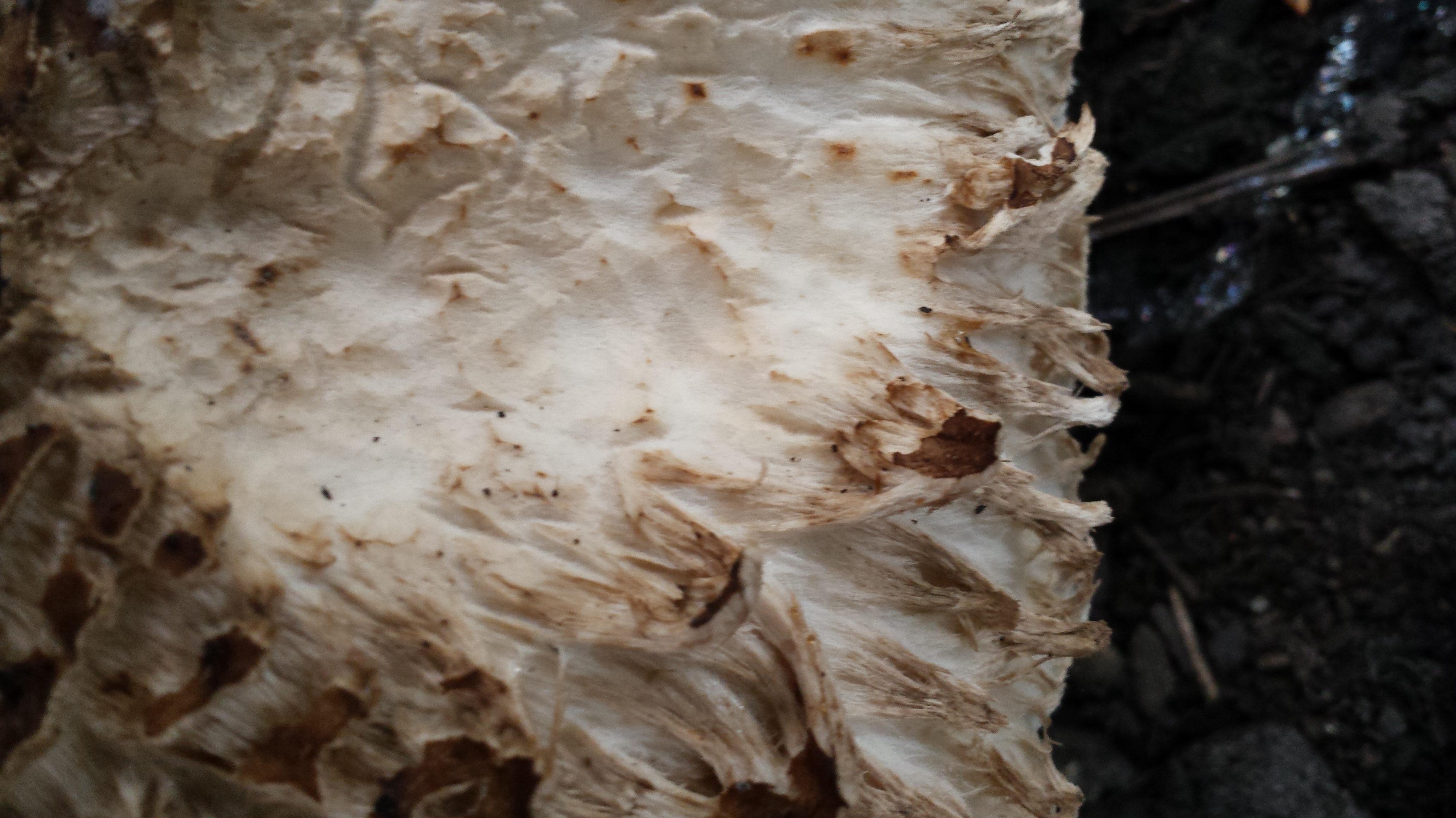
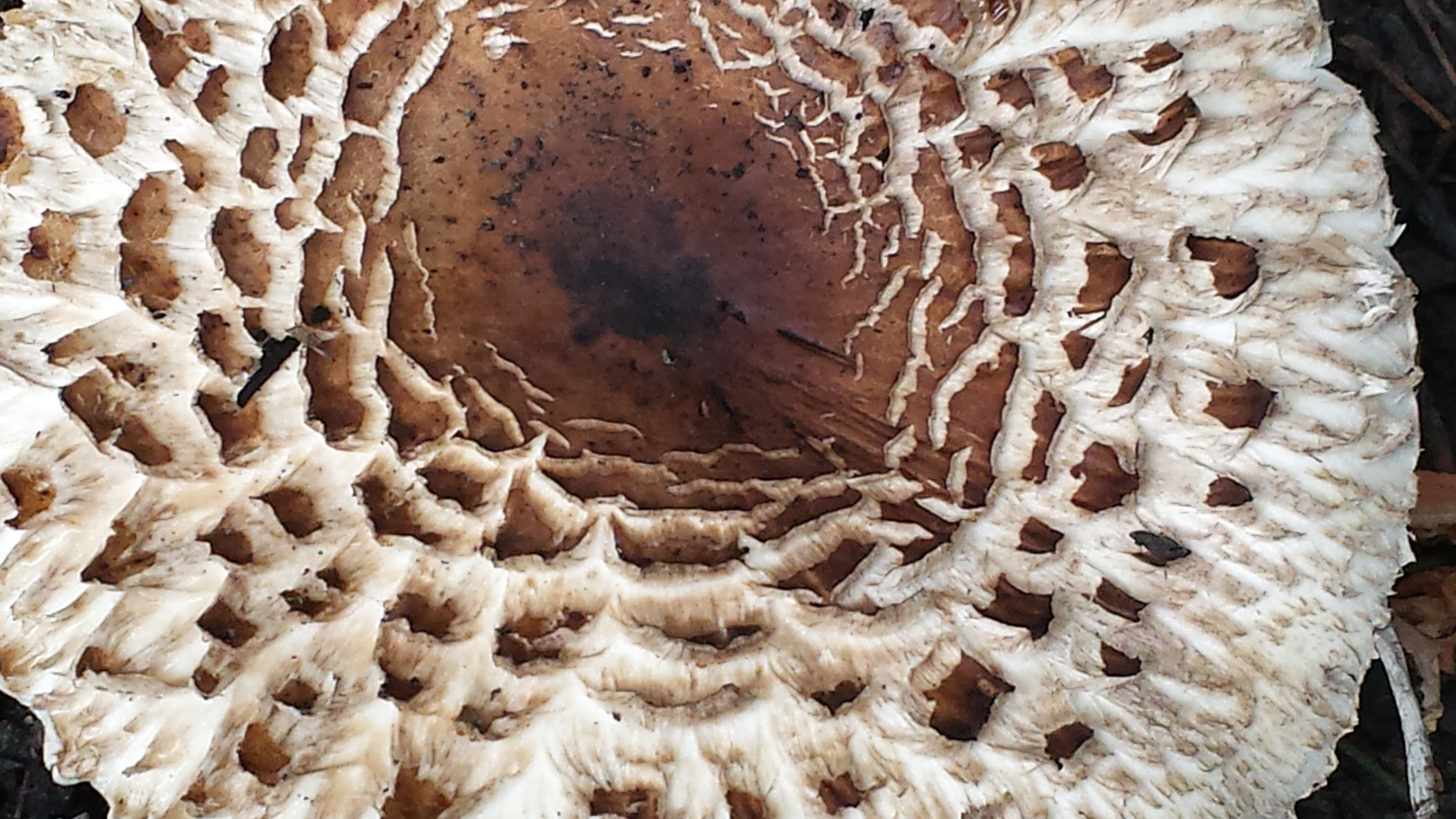
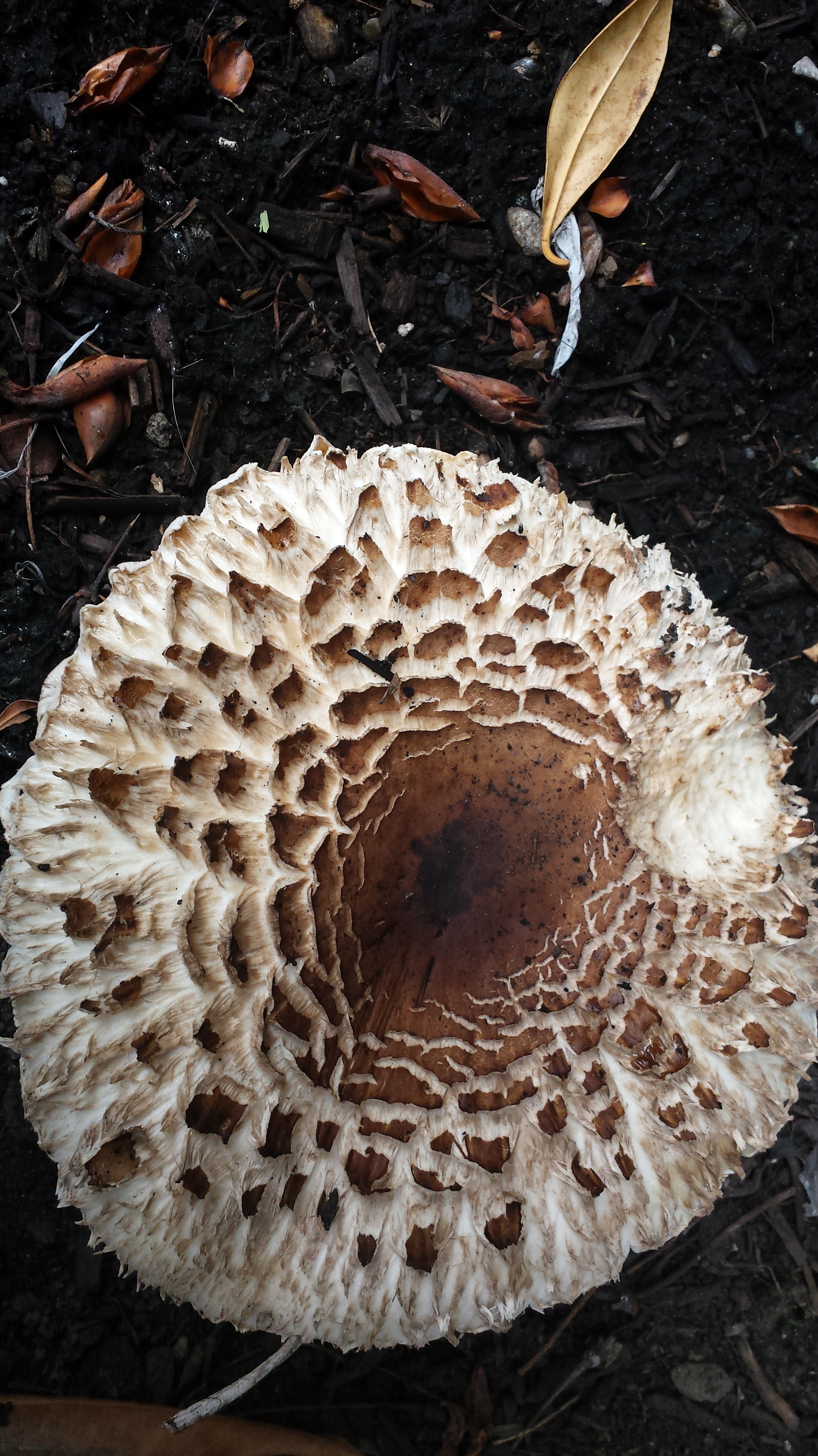
Yesterday an interesting object caught my eye. I will show it from several views. I wonder how soon you will recognize what it is!
1.
2.
3.
4.
5.
5.
6.
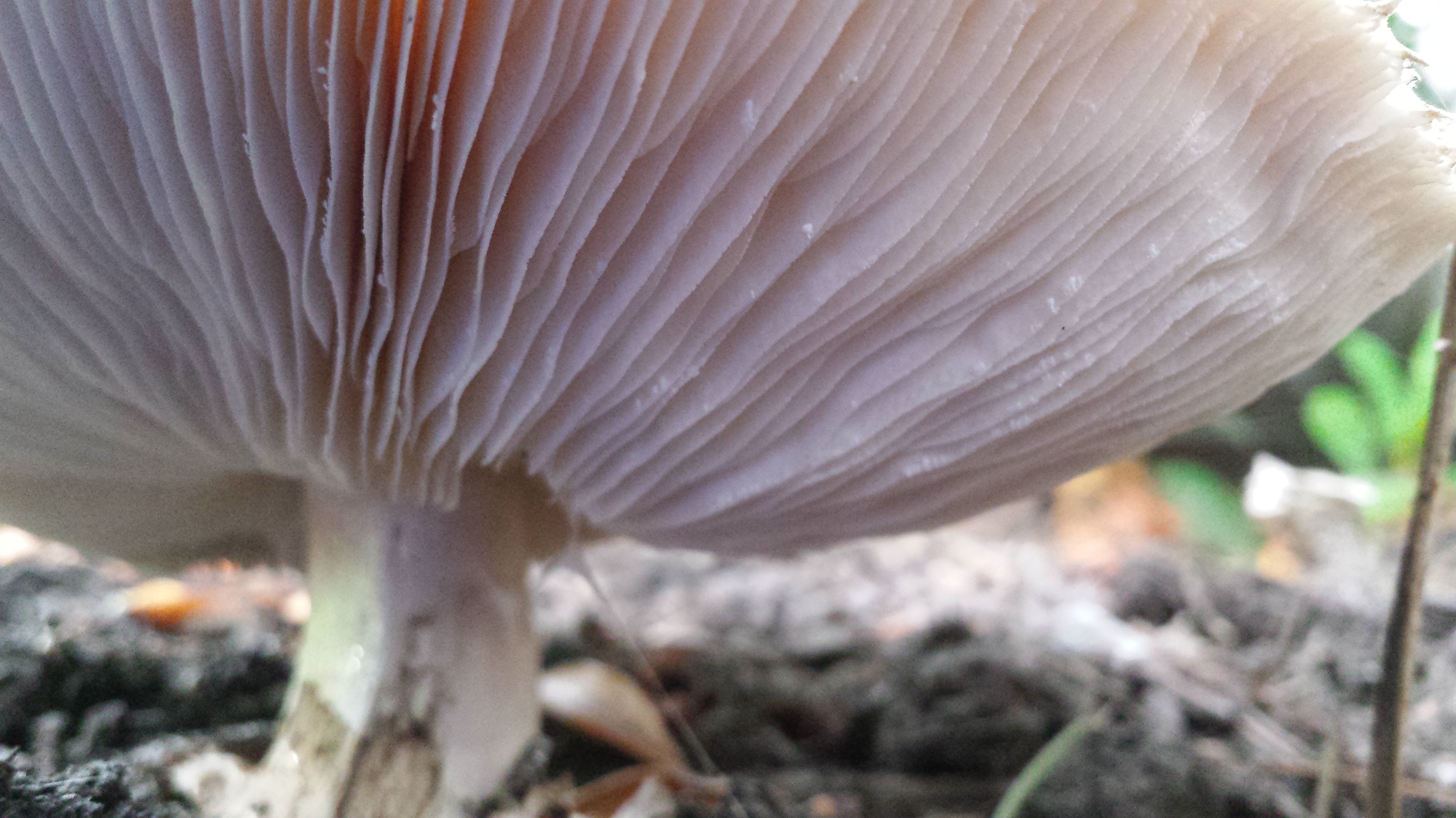
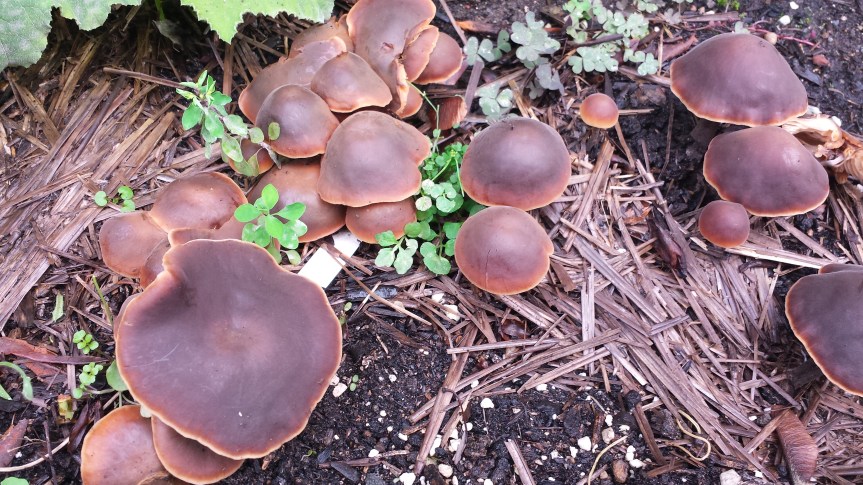
These are pictures of a mushroom, one that is seven inches in diameter. All of the photos are taken from the top, except for the last one. Did you figure it out? If so, what was the number of the picture when you first realized it was a mushroom?
There are several of these growing in my front yard. I’ve had mushrooms in my yard before but they have always been quite small.
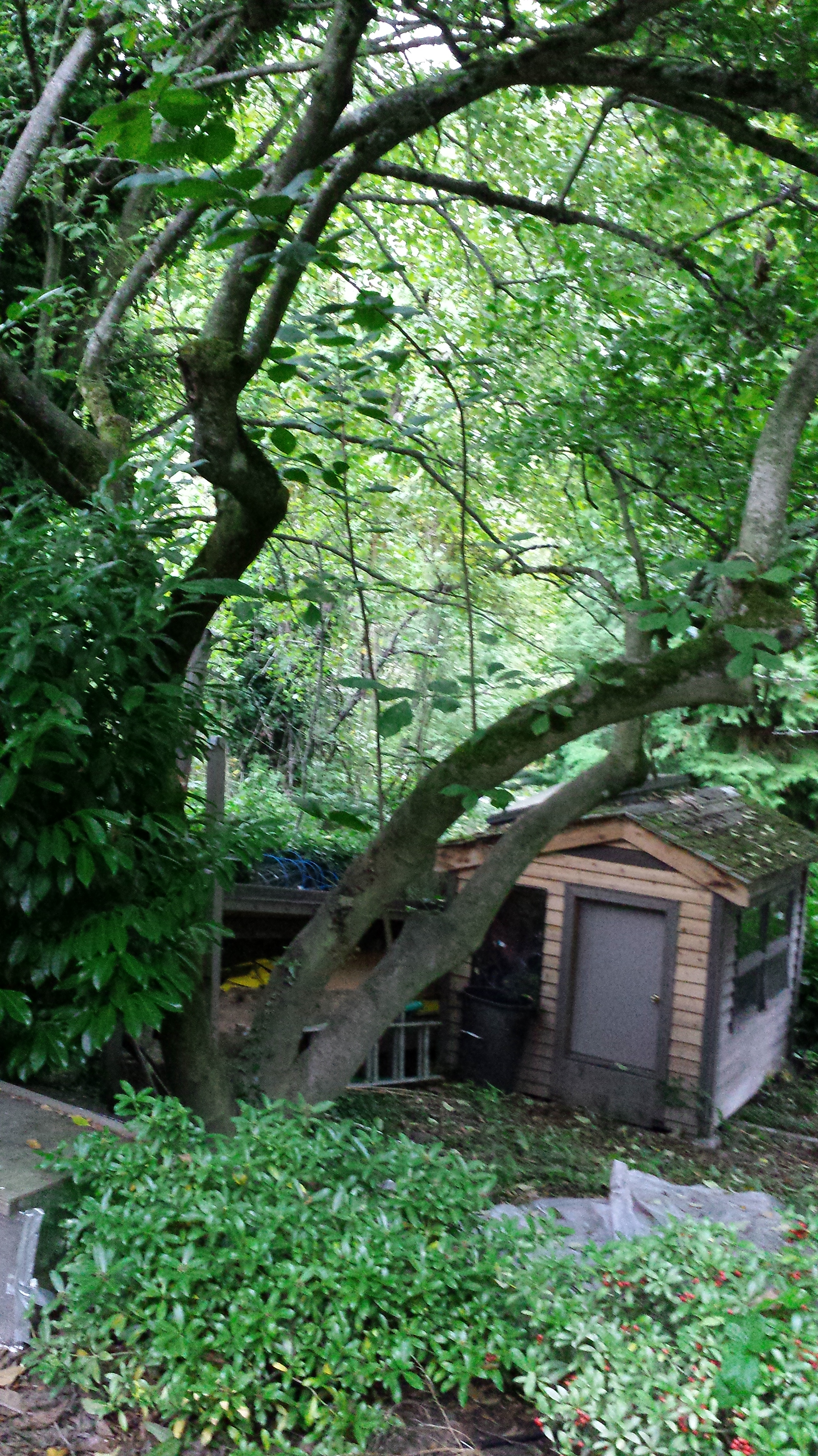
The shed in my backyard provides boundaries for all of the tools and gardening paraphernalia that I use. I also store the jars I use for canning there. But the shed was not always a shed. Until three years ago it was a 7′ x 7′ tree house!
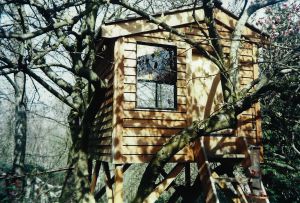
I had the tree house built in the mid 90’s and slept in it from April to October for five years. The boundaries of the tree house protected me from wildlife and the rain. Even though it had walls, there was also a skylight. That gave me a sense of being part of the tree, the sky and nature in general. Returning to the main house for autumn and winter months sometimes gave me a sense of being imprisoned. My cells yearned to be outside and feel free again.
I was always a little nervous walking to the tree house at night. After all, I live in the inner city and there could be intruders in the backyard. The lock on the door provided a boundary that helped me feel safe once I was inside.
One day, when I walked to the tree house at bedtime, two very large raccoons were standing upright on their back legs, in-between the tree house ladder and me. There was no boundary between us. I turned around and walked back to the main house.
I generally don’t have problems with fear keeping me from doing the things I want to do, but knowing there was no way to create a protective barrier between those big raccoons and me put an end to my sleeping in the tree house.
Written for Weekly Photo Challenge: Boundaries
The Art and Craft of Blogging
A collection of discussions on the environmental issues
“The fool doth think he is wise, but the wise man knows himself to be a fool.” “Love all, trust a few, do wrong to none.” “Love looks not with the eyes, but with the mind, And therefore is winged Cupid painted blind.”-William Shakespeare
...moments of unexpected clarity
Home of Lukas Kondraciuk Photography
Wellness, Support and Mindset
Thoughts on Creativity & Deeper Things
A Blog by Novella Carpenter
Ramblings of an Irish ecologist and gardener
Teaching the art of composition for photography.
Blog from SathyaSaiMemories ~ stories of love in action and the benefits of giving
There are 11,507 stories in Haddonfield; this is one of them.
Perennial gardening and more from the Green Mountains of Vermont
Whatever it will be...
Welcome to my little slice of the blogosphere
 Living, Learning and Letting Go