I’ve been so focused on my work in the Greenbelt that I hadn’t even noticed that the camellia bush in my yard had bloomed!
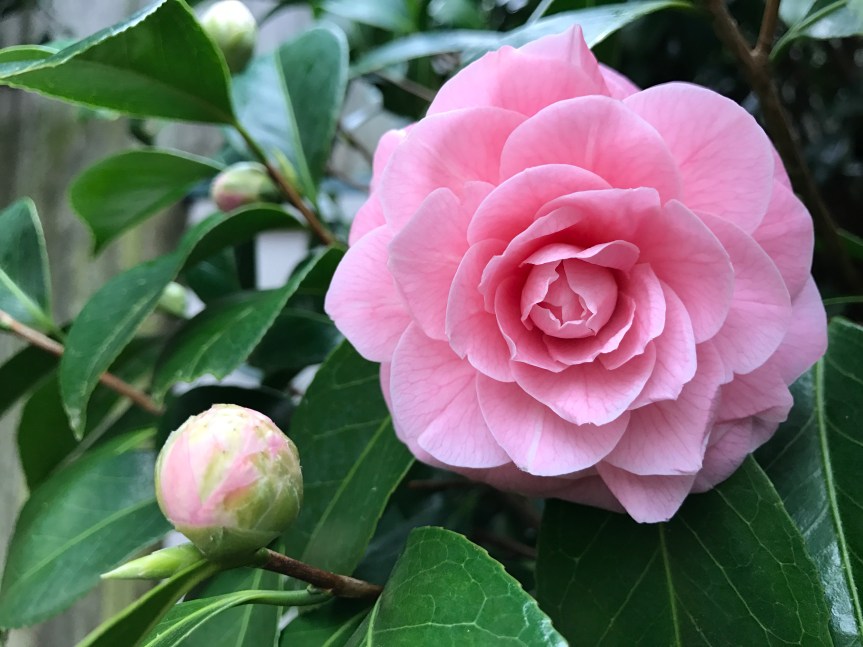

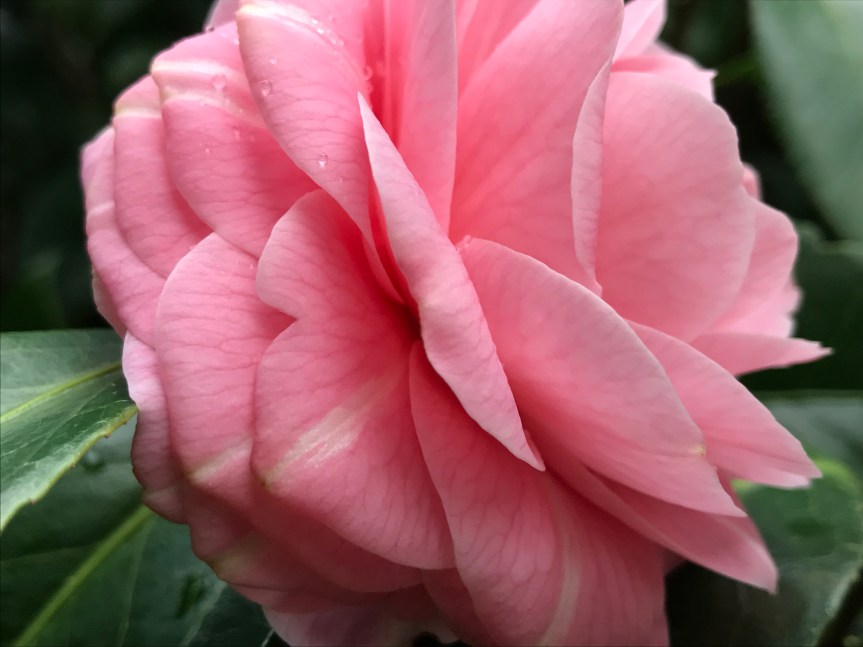
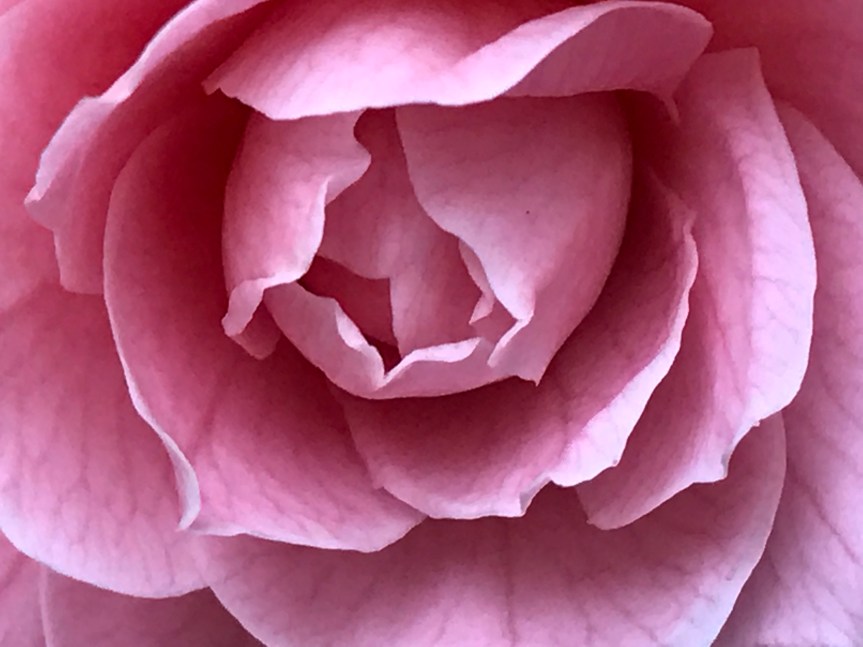
I’ve been so focused on my work in the Greenbelt that I hadn’t even noticed that the camellia bush in my yard had bloomed!
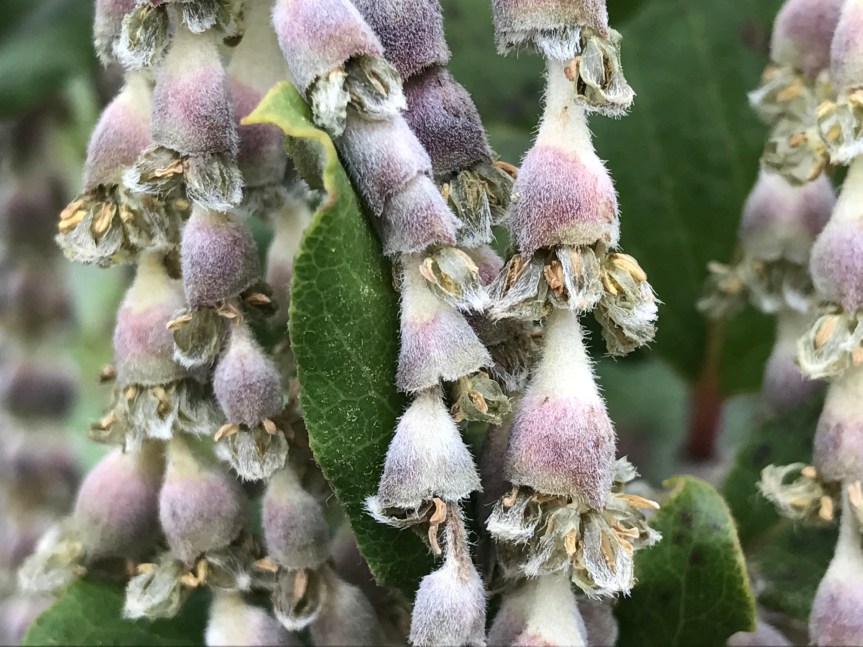
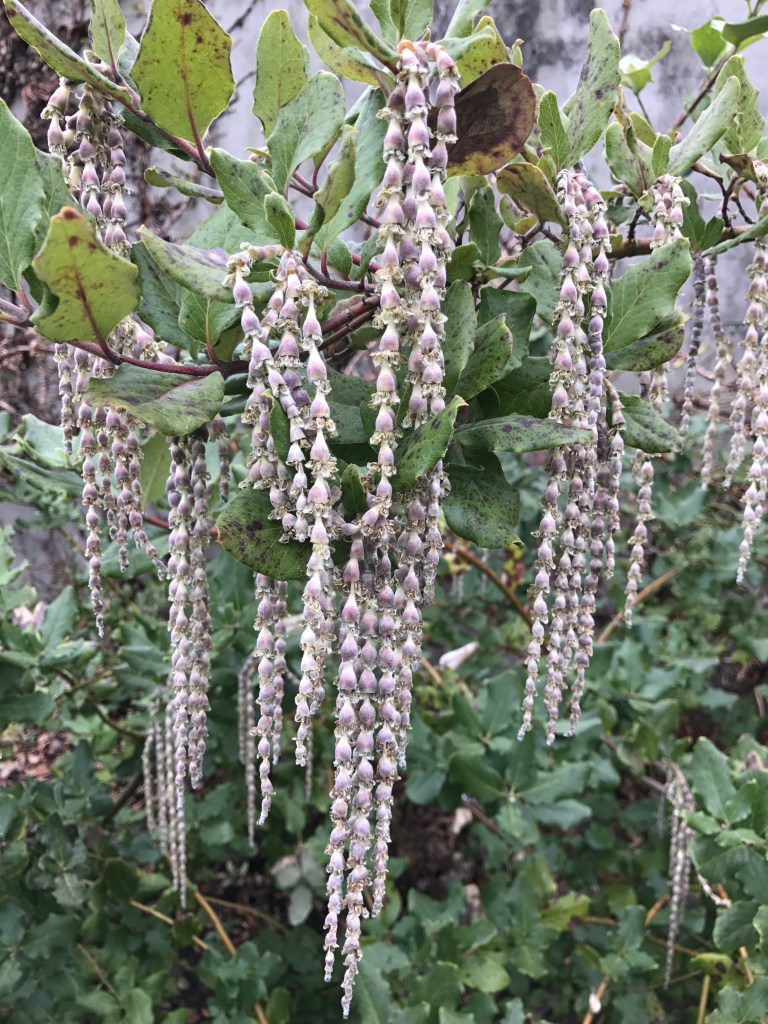
Spring is beginning to show itself, although not as fast as I would like. The trees are beginning to bud and the tulips leaves are pushing their way up through the ground. The red tulips that were in my garden last year were stunning.
To see the photos click on this link: # MondayRed
I’ve been working outside. My toes and fingers are ice cold even though I was wearing gloves and boots.
The weather forecasters say to plan for snow for tonight and tomorrow. I don’t think I have seen snow for five years or more, partially because I go to India from the end of November until mid-January.
Maybe I will feel warmer if I think about last summer!

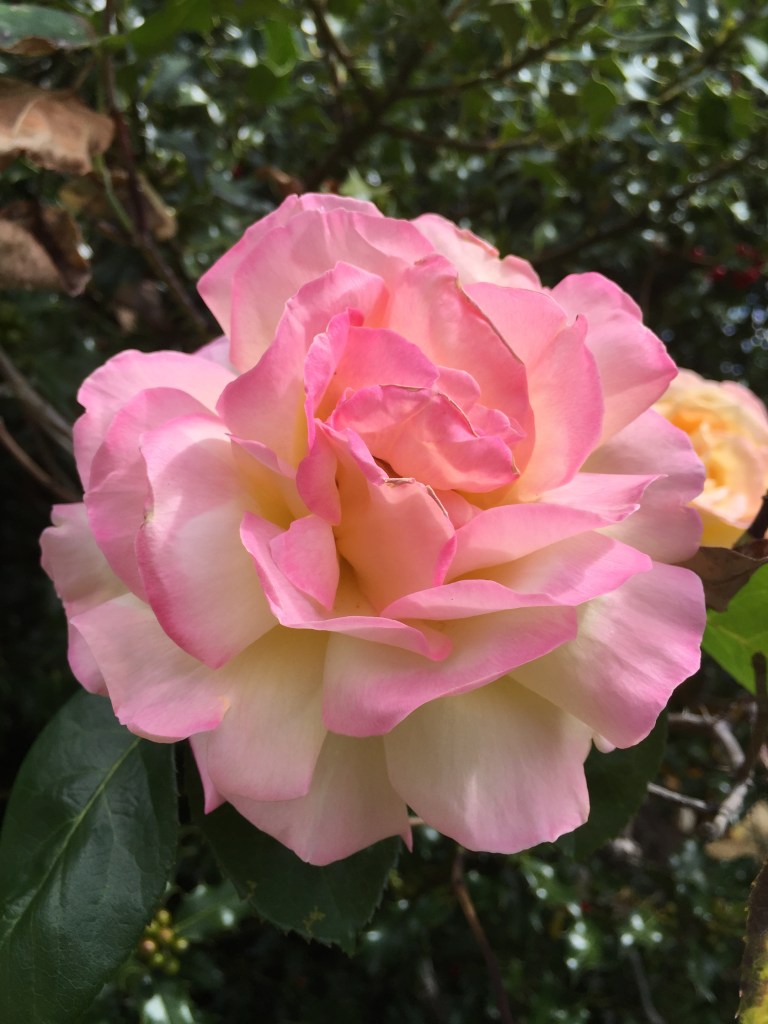
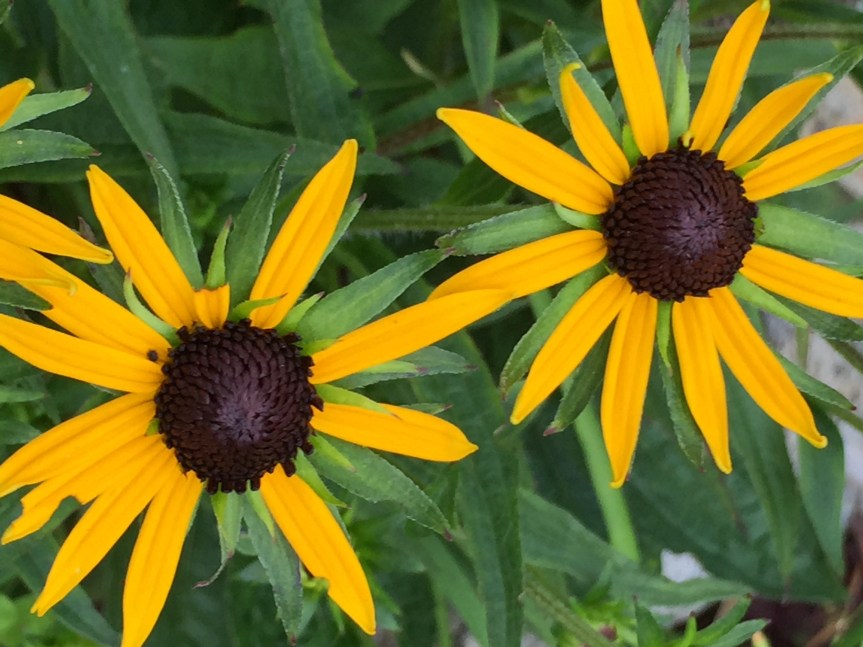
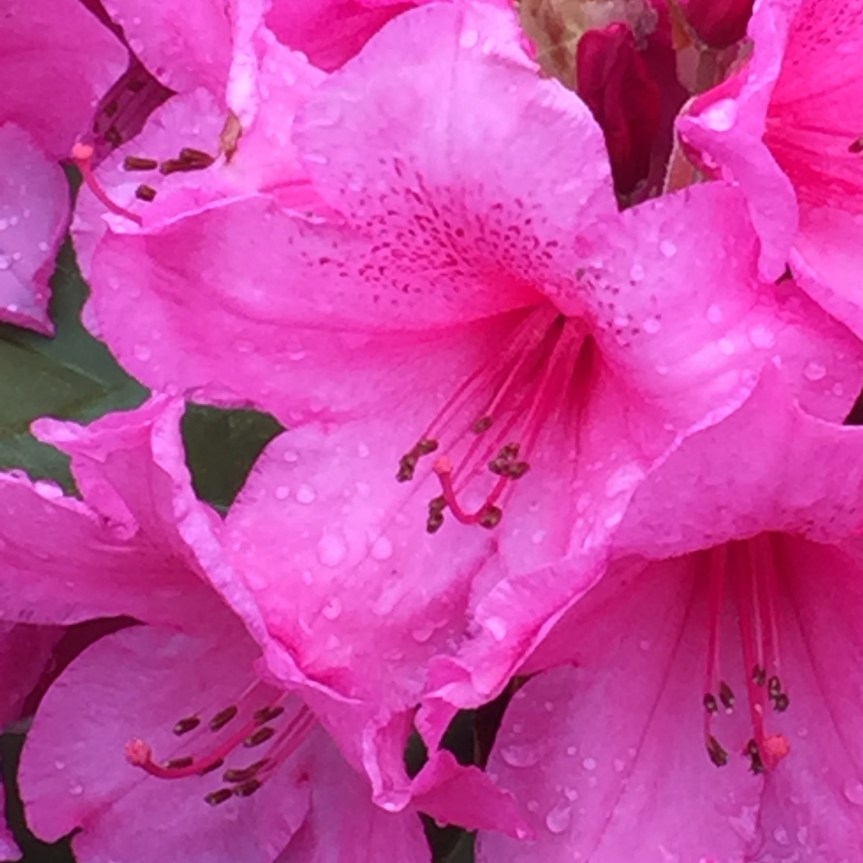

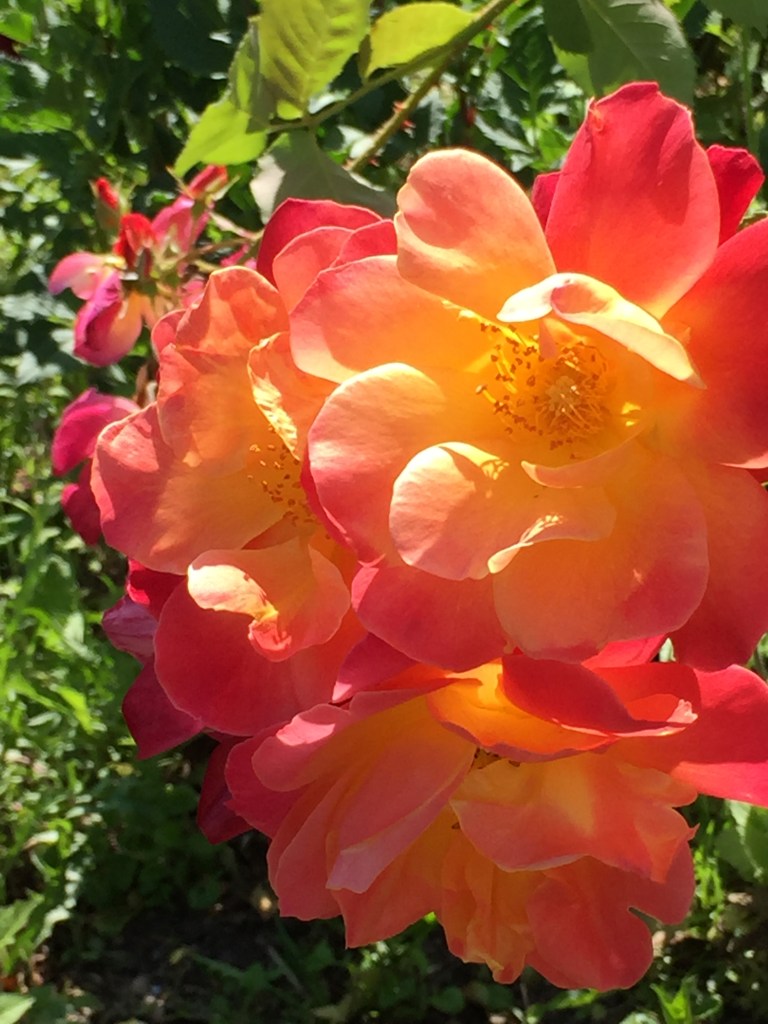

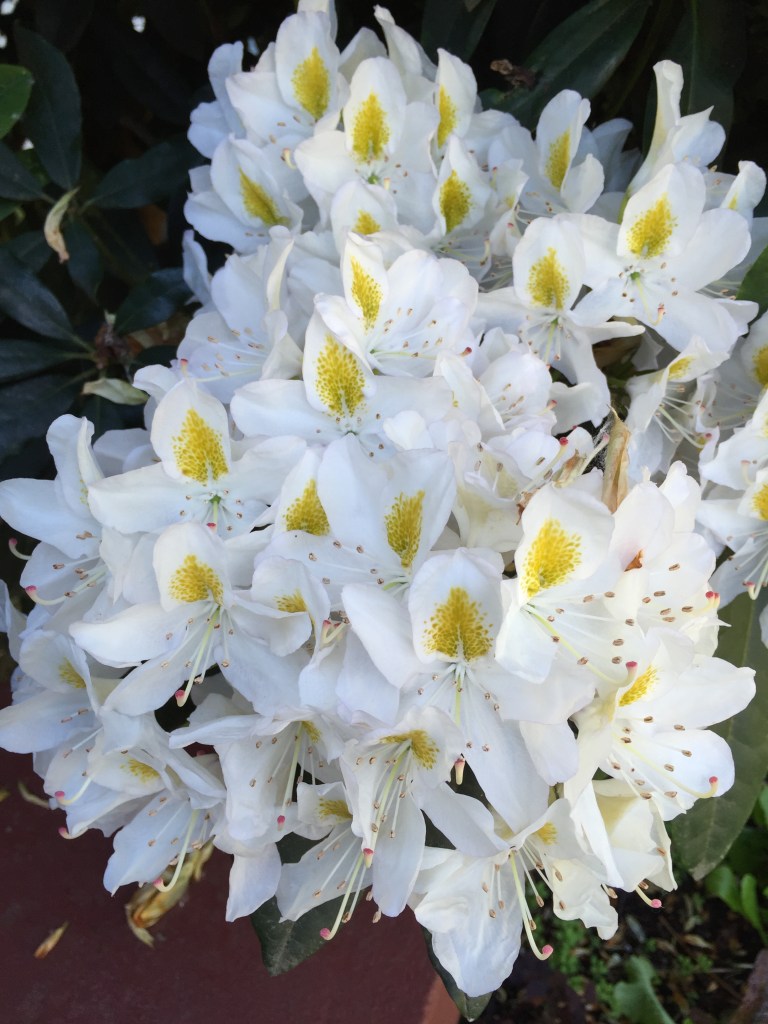

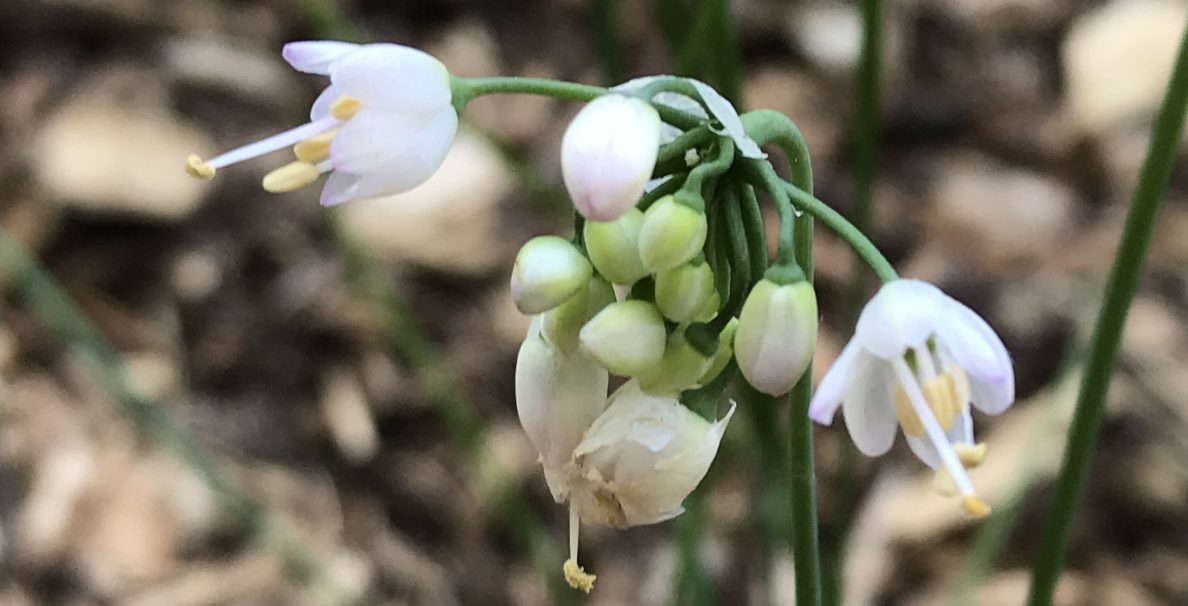
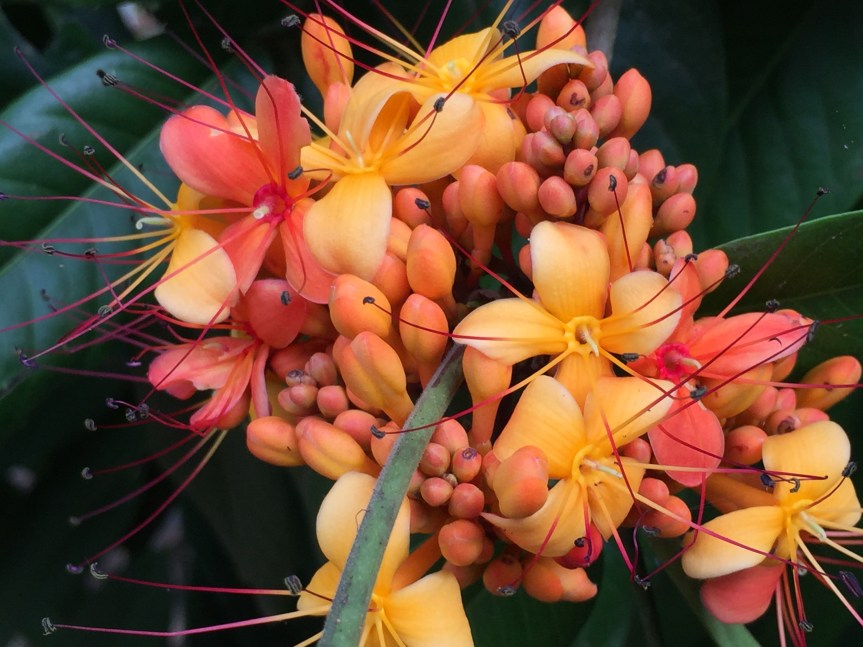
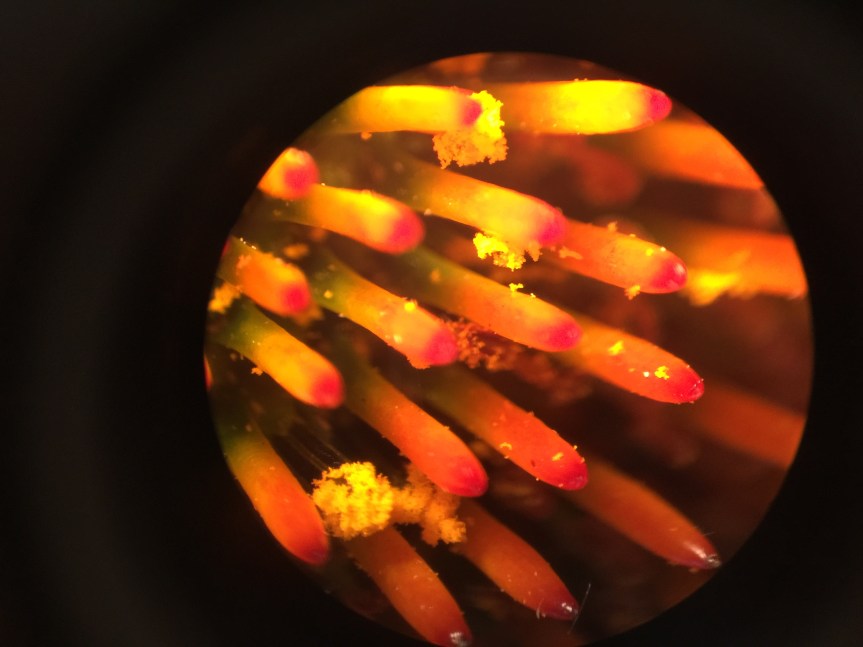
Sreejit thought of me when he saw this fascinating flower on Friday. Thanks Sreejit!


When I think of the word graceful, I think of flowers I have seen in India and in the U.S. I also thing of Brahminy kites, birds which are in the same class, order and family as eagles. Every year, I watch them soar above Amma’s ashram in Amritapuri, India.


To see all of the posts in this Amritapuri series, click here.

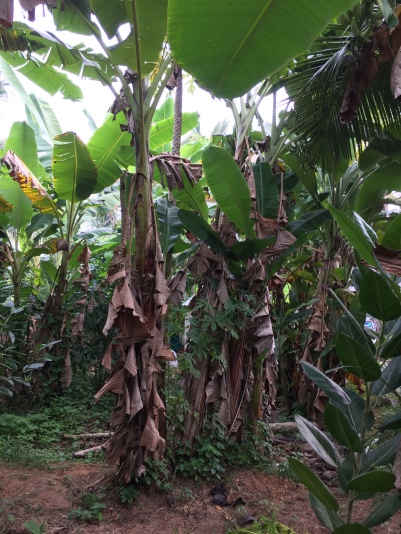
a) Banana palms are not trees. There is no wood in a banana palm.
b) The stem is made up of gigantic leaves so the banana palm is classified as an herb.
c) Three years ago, I read that the banana palm are classified as a grass, but I am unable to validate that information.
d) Banana palms only produce fruit once. The palms die away and new shoots spring up. Those shoots can be replanted in other places.
e) Banana palms grow quickly in the tropics. The first photo below was taken on the day the shoot was replanted. The second photo was of a shoot that had been replanted three days prior, and the third photo was of a shoot five days after replanting.


f) Banana circles are a permaculture technique that is most often used in tropical and subtropical regions. They help create humus and water retention where soils are either sandy or heavy clay. This photo shows a banana palm circle with a compost pile in the middle.

g) Banana palms produce very unusual flower buds. One day, I saw a squirrel like this trying to get into one of the buds but I couldn’t take a photo quick enough to catch it in action. I haven’t seen an open flower yet this year but here is a photo I found on Wikimedia.


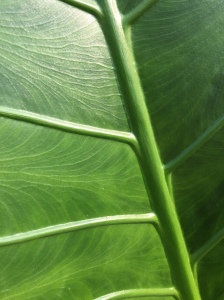
h) The banana palm leaf has an intricate series of veins running through it.
i) The path to Amritapuri’s Saraswati Garden is lined with banana palms. I can imagine what that path will look like next year!
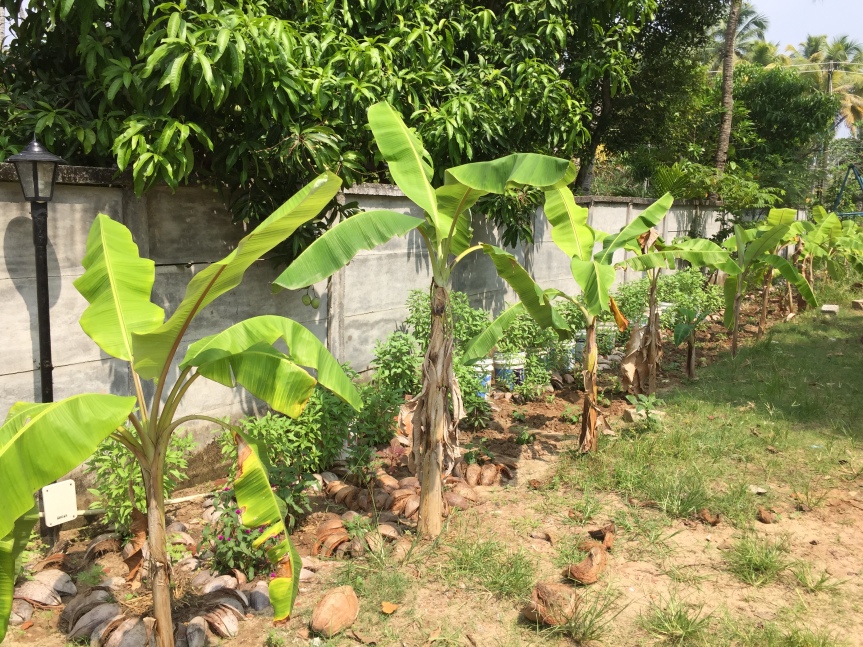
j) I think banana palms are so beautiful.


For more information or to see beautiful photos go to: A Banana Plant Is an Herb (Or, Little Known Banana Facts)
The Art and Craft of Blogging
A collection of discussions on the environmental issues
“The fool doth think he is wise, but the wise man knows himself to be a fool.” “Love all, trust a few, do wrong to none.” “Love looks not with the eyes, but with the mind, And therefore is winged Cupid painted blind.”-William Shakespeare
...moments of unexpected clarity
Home of Lukas Kondraciuk Photography
Wellness, Support and Mindset
Thoughts on Creativity & Deeper Things
A Blog by Novella Carpenter
Ramblings of an Irish ecologist and gardener
Teaching the art of composition for photography.
Blog from SathyaSaiMemories ~ stories of love in action and the benefits of giving
There are 11,507 stories in Haddonfield; this is one of them.
Perennial gardening and more from the Green Mountains of Vermont
Whatever it will be...
Welcome to my little slice of the blogosphere




 Living, Learning and Letting Go