In Science Class- विज्ञानस्य वर्गे

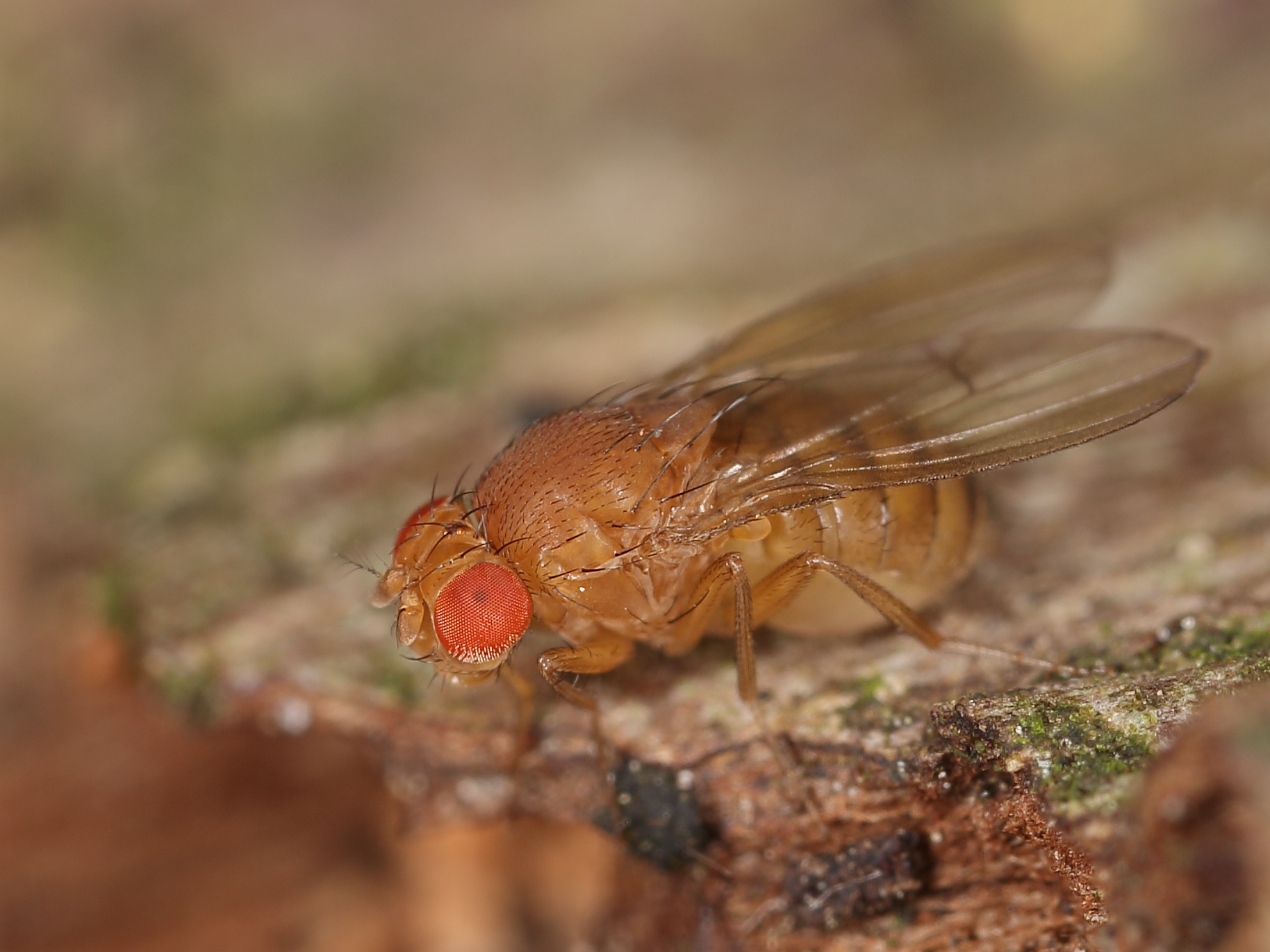
Große_Essigfliege_-_Drosophila_funebris_ _(14213086147)
Photo Credit: Wikimedia

As many of you know, learning Sanskrit is a passion of mine.  I take two classes a week and each of the classes require that I write five or more sentences in Sanskrit.  This week I decided to do something even more ambitious. I took much of the information from my recent fruit fly post and translated it into Sanskrit.  I finished the homework by writing the sentences as if they were being spoken in a science class where the teacher was asking the children what they knew about fruit flies.

आचार्या –  सुप्रभातं बालाः। अद्यतन विषयः फल-मक्षिकाः।
Teacher –  Good morning children.  Today’s topic is fruit flies.

आचर्या –   भवन्तः विषये फल-मक्षिकानां किं जानन्तिः।
Teacher –  What do you know about fruit flies?

सुल्मा –     फल-मक्षिकाः अष्टतः दश-दिनानि जीवन्ति।
Sulma – Fruit flies live from 8 to 10 days.

आचर्या –     उत्तमं सुल्मा।  डेविद्?|
Teacher – Very good Sulma! David?

डेविद् –      स्त्री फल-मक्षिकाः पञ्चशत-अण्डानि दश-दिनेषु स्ठापयन्ति|
David – Female fruit flies lay 500 eggs in 10 days.

आचर्या –     सम्य़क् डेविद्।  रमणः?|
Teacher – Good David.  Ramana?

रमणः –     एकस्मिन् फल-मक्षिकस्य नेत्रे ७६० दीप्तोपलाः  सन्ति|
Ramana – In a fruit fly’s eye there are 760 lenses.

आचर्या – आम्। सम्यक्। अन्ये वदन्तु।
Teacher – Yes, good!  Others speak.

बार्बरा – फल-मक्षिकाणां रक्त-नेत्रौ पिङ्गल-देहा: तेषाम् उदरेषु कृष्ण-रेखाः च सन्ति |
Barbara – Fruit flies have red eyes, brown bodies, and black stripes on their abdomens.

सवत्री –  फल-मक्षिका: पक्षौ द्विशत-वारं पतिक्षणं अ्भिविक्षपन्ति |
Savatri – Fruit flies wings beat 200 times per second.

रामा –  फल-मक्षिका: विज्ञान-प्रकल्पेषु उपयुक्ता: सन्ति |
Rama- Fruit flies are useful in scientific research

कर्ल् –  फल-मक्षिका: चत्वरि-chromosomes मानवानां इव सन्ति |
Carl –  Fruit flies have four chromosomes that are similar to humans’ chromosomes.

सुमती –  फल-मक्षिका: Parkinson’s, Alzheimers, aging, cancer, immunity, alcohol, and drug abuse विज्ञान-प्रकल्पेषु उपयुक्ता: सन्ति |
Sumati –  Fruit flies are used in Parkinson’s, Alzheimers, aging, cancer, immunity, alcohol, and drug abuse research.

सुसन् – फल-मक्षिका:  क्षीयमाणानि फलानि शखानि खादन्ति।
Susan –  Fruit flies eat decaying fruits and vegetables.

स्टॆव् – विगल-फलानि मा खादतु। तेषु फल-मक्षिक-अण्डानि भवेयुः|
Steve –  Don’t eat rotten fruit.  There may be fruit fly eggs and disease (causing organisms) in them.

आचर्या –     उत्तमं बालाः। श्वः इतोपि वदिष्यामः विषयॆ फल-मक्षिकाणां |
Teacher – Very good, children.  Tomorrow we will talk more about fruit flies.


[Thank you Madhavi for helping me with this translation!  I so appreciate your constant support.]

Sanskrit Practice

Every so often I enjoy sharing my Sanskrit homework on my blog.  This time I decided to include homework from both of my Sanskrit classes.


Homework for Madhavi’s  Friday class

I have been taking this class for more than three years. This week I decided to focus on creating sentences with dual words, meaning sentences involving two people.


द्वाविंशति-April-मासे दिनाङ्के मम  पुत्री तस्याः पति: च Seattle-नगरम् आगमिष्यतः
dvaavimshati April maase dinaangke mama putrii tasyaaha patihi cha seattle nagaram aagamishyataha
On April 22 my daughter and her husband will come to Seattle.


तौ कर्यं करिष्यतः यावति अम्बयाः यत्रा May मासे भविष्यति
tau karyam karishyataha yaavati ambayaaha yatraa May maase bhavishyati
They will work until Amma’s programs begin in May.


तदा तौ अम्बया सह  गमिष्यत:
tadaa tau ambayaa saha gamishyataha
Then they will go with Amma.


आमृतपुर्यां तौ उशितवन्तौ प्राय: षोडश-वर्षेभ्यः
aamritapuryaam tau ushitavantau praayaha sodash-varshebhyaha
They have lived in Amritapuri for 16 years.


मम पुत्र: अमृतपुर्यां वसिष्यति यावत् तौ America-देशे स्तः
mama putraha amritapuryaam vasishyati yaavat tau America deshe staha
My son will live in Amritapuri while they are in America.


Homework for Sunday Samskrita Bharati class

I’ve been taking the Samskrita Bharati class since September.  This class has not studied dual yet, so I avoided that type of sentence.  The main focus for this week was on writing sentences using the combination yadaa (when) and tada (then).  With this particular combination both halves of the sentence should occur at the same time, or be something that happens with certainty.


यदा अम्बा America-देशम् आगच्छति तदा मम पुत्री तस्याः कटकेन सह गच्छति
yadaa ambaa america desham aagacchati tadaa mama putrii tasyaaha katakena saha gacchati
When Amma comes to America then my daughter travels with her caravan.


यदा भङ्ग्रा-जानपद-नृत्यानि पश्यामि तदा बहु अतीव प्रसन्ना अस्मि
yadaa bangraa-jaanapada-nrityaani pashyaami tadaa bahu ativa prasannaa asmi
When I see bhangra folk dances then I am very, very happy.


यदा ते आगच्छन्ति तदा खादामः
yadaa te aagacchanti tadaa khaadaamaha
When they come then we eat.


यदा वयं चलच्चित्रम् आगच्छमः तदा अल्पाहारं खादामः
yadaa vayam calaccitram agaaccamaha tadaa alpaahaaaram khaadaamaha
When we come to the movie then snacks we eat.


यदा सा उपविष्ठवती तदा सा पुस्तकं पठितवती
yadaa saa upavishthavatii tadaa saa pustakam pathitavatii
When she sat down then she read a book.


यदा त्रयः बालकाः क्रीडन्ति तदा ते हसन्ति
yadaa trayaha baalakaaha kridanti tadaa te hasanti
When the three boys play then they laugh.


यदा मित्रैः सह मिलामि तदा मम गृहं चलामः
yadaa mitraihi saha milaami tadaa mama griham calaamaha
When I  meet friends then to my house we walk.


यदा मन्दिरे पूजयामि तदा प्रर्थनां गानं च करोमि
yadaa mandire puujayaami tadaa praarthanaam gaanam ca karomi
When in the temple I worship then praying and singing I do.


I love studying Sanskrit!

मम बहु विविधाः अन्तरः भावाः सन्ति

मम बहु-विधाः अन्तर्-भावाः सन्ति
mama bahu-vidhaaha antar-bhaavaaha santi

I have many different feelings Continue reading “मम बहु विविधाः अन्तरः भावाः सन्ति”