
Wordless Wednesday


Nineteen enthusiastic students from the UW’s Introduction to Environmental Science class participated in our October 6th forest restoration work party. Our staff consisted of two GreenFriends members and a volunteer who had helped at the September 30th work party.
As always, the work party began with an orientation. Afterwards, we formed a bucket brigade to spread wood chips along the paths throughout our Greenbelt site. Last year, the paths got muddy and slippery during the winter rains. We hope by covering them with a thick layer of wood chips, we will prevent that from happening again.
The first photo below shows what the wood chip pile looked like at the beginning of this work party. The second shows its size at the end of the event. It is even flatter than it looks! There is no doubt in my mind that the pile will be gone by the end of our next work party.
(Click on the galleries to enlarge the photos.)


For the second week in a row, I got so immersed in the work that I forgot to take photos of the bucket brigade. But I can show you the results of our work!


Halfway through the work party, we took a 15 minute snack break and then divided into three work groups.
Work group 1
Last year, when we cleared the land in the southern part of our site, we piled the blackberry vines and blackberry root balls that we removed on nearby drying racks. We ended up with four large piles of debris that is taking up room that could better be used for planting.
We decided to eliminate the piles by cutting the debris into 3-8 inch pieces and then spreading it on the paths that we will be covering with wood chips during our next work party.


I had spent a considerable amount of time cutting up the debris in one of these piles prior to this work party. I don’t have a photo of what the pile looked like when I started, but the photos below will give you an idea of what it was like when this group started working on it and what it looked like at the end of the work party. The size of the pile has decreased at least 50% since the beginning of October. I hope we can finish that task soon.
For now we are placing the branches that are too thick to cut up at one end of the pile. We will decide what to do with those later.


Work group 2
The second group worked on a compost pile that had been created on the site many years before this forest restoration project began. Volunteers in the last work party had started removing trash and branches from the pile. The photos below show this area before and after the September 30th work party.


On October 6th, two of the students dug out a plastic garbage can that was buried near the compost pile and then began to remove bluebell bulbs that had been multiplying in the pile for years. They also separated more trash and branches from the rich soil.

While the two students were working on those tasks, three others removed big branches and tree stumps that were scattered around an area where we will be planting trees, shrubs and ground covers in November. Once the big items were moved to a different part of the site, the students raked a pile of dried bamboo branches away from that area as well.


When they finished those tasks, the students joined the two who were working on the compost pile. They sorted the branches that had been removed from the pile of dirt. The small branches and dried blackberry canes were cut up so that we can spread them on the paths; the bigger branches were stacked. The photos below show what the area looked like at the end of this work party.


Work group 3
The third group dug up blackberry shoots and blackberry root balls from the area where we will be creating paths next weekend.


At one point, I started hearing shouts of celebration coming from that direction. I wondered if the students had dug out some huge root balls. That is always cause for excitement. When the sounds continued, I got curious. Eventually, I walked to that part of the property and asked the staff member what was happening.
I learned that some of the students were having a competition to see who could cut down the longest blackberry vine. By then, they were working in an area that we have not cleared before, so they were finding some LONG vines! Some of the cut vines were put on a small drying rack while others were taken to an area we call The Rack Zone. (The Rack Zone is located in the foundation of a house that burned in the 50’s. It is filled with large piles of dried or drying blackberry vines, blackberry root balls, ivy and bindweed.)
Look at the length of the vine in the last photo. I don’t know who won the competition, but that vine was certainly a contender. (Remember, you can click on the gallery to enlarge the photos.)


All of the debris that had been cut up by the first and second work groups was spread on the areas where we will be constructing paths next weekend. The photos below show what those future paths look like now. (The paths will be 3 feet wide except in the occasional places where several paths merge.) The last photo is of the section where I believe the students found the long vines.


Fifteen minutes before the work party ended, we began to clean and put away the tools and supplies. As they finished that work, the volunteers began to gather for the closing. These photos were taken while we waited for the last few students to join us. Once everyone was present, we celebrated all that we had accomplished during the three-hour work party.


Afterwards, everyone brushed their shoes to remove any remnants of invasive plants that might be spread to other properties, said goodbye and went on their individual ways. Several participants told me they hoped to attend one of our next work parties!
I returned from India around noon on September 24th. I brought my luggage into the house and soon thereafter was checking out our Greenbelt site, eager to begin the forest restoration work again. I was pleased to see that most of the plants had survived the drought.
The University of Washington classes began on September 26th. This was to be the ninth quarter that students from their Introduction to Environmental Science course would help us. Most of our volunteers come from there, but we also get people from many other sources, such as neighbors and the Green Seattle Partnership Event Calendar. Most of our staff are part of GreenFriends, the environmental arm of Embracing the World.
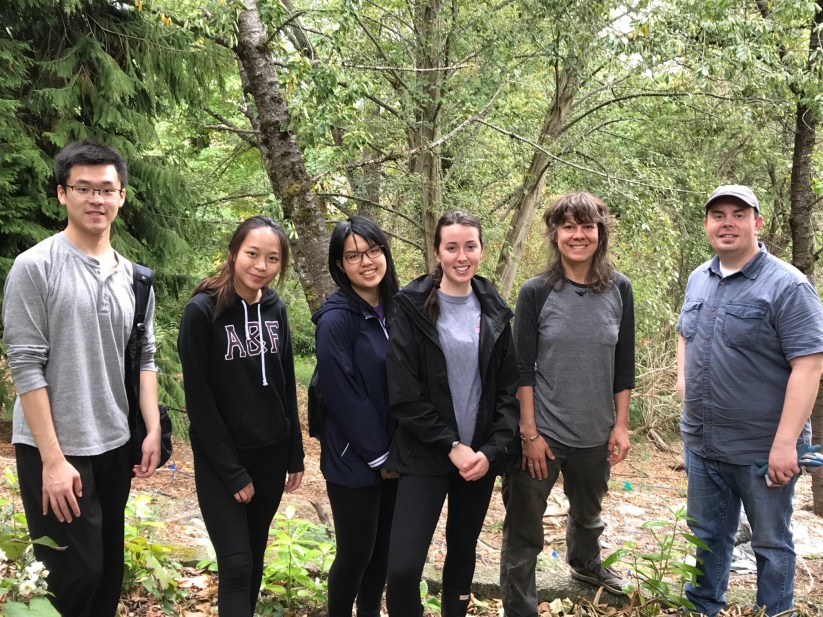
Our first fall quarter work party was held on Sunday, September 30. Including the staff, we had eight volunteers. (There are only six people in the photo because I’m taking the picture and a neighbor didn’t arrive until the second half of the work party.)
I was so immersed in the work that I forgot to take photos throughout the work party. Luckily, I can show you some before and after pictures.
The Seattle Parks Department staff had delivered a pile of wood chips that looked similar to this one. Our main task for the day was to start the process of spreading wood chips along the paths in the Greenbelt. I knew from last year’s experience that during winter the paths get muddy and slippery and wanted to prevent that situation from reoccurring. After the work party orientation, we filled the buckets with wood chips.
(Click on any gallery to enlarge the photos.)


Then, we carried the filled buckets and spread the wood chips along the path, 3 inches thick and 3 feet wide. Some of the volunteers stayed at the wood pile to fill the empty buckets as they were returned. Together, we spread wood chips on 620 sq. ft. of land. I was amazed by how much a small group was able to accomplish in a little over an hour.


After a fifteen minute break, we divided into three teams. One team dug out invasive blackberries near the south-east part of the site. They also spread dried blackberry canes over burlap; this strip will become part of a path during an upcoming work party.
Before:


After:


The second team moved some stumps and thick branches from a future planting area, took wire and other trash to the trash pile, and then dug out blackberry vines and root balls from two areas that had been planted in March. The planting areas looked so nice after most of the blackberry shoots that had been coming up in them were removed.


The third group worked on a compost pile that was here long before our restoration project began. They dug out weeds that were growing through it and pulled out any trash, branches or lumber that they found.
Before:

After:

I was so happy with the results of our work and feel very grateful to the volunteers who participated in this work party.
To download the latest PNW GreenFriends newsletter, click on the photo.
Enjoy!

I returned to Seattle yesterday, but I still have at least one more flower from the Amritapuri Gardens to share!
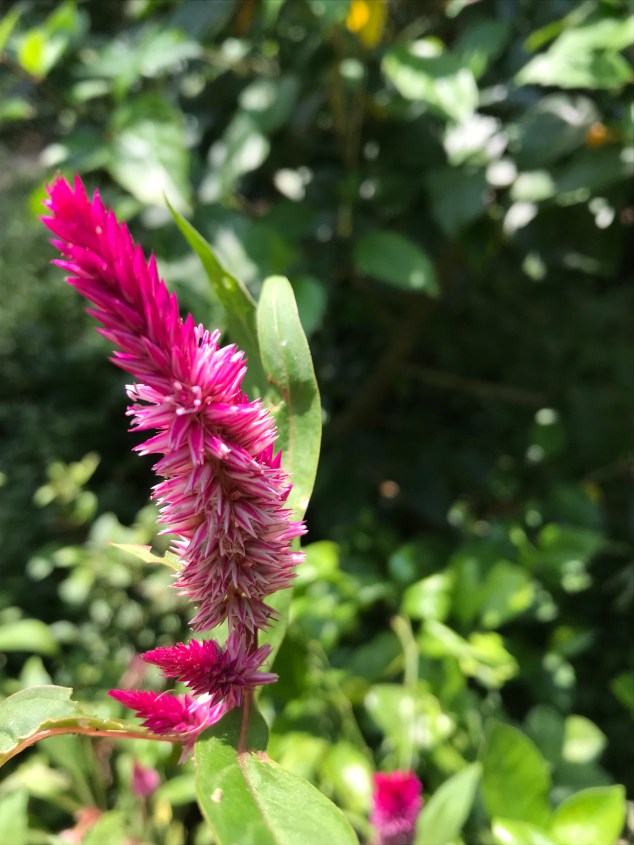
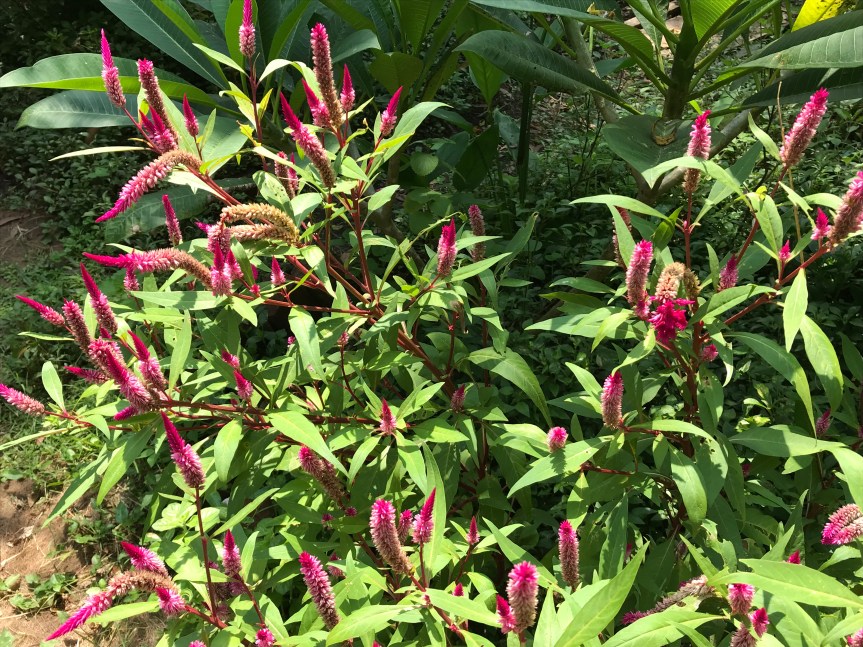
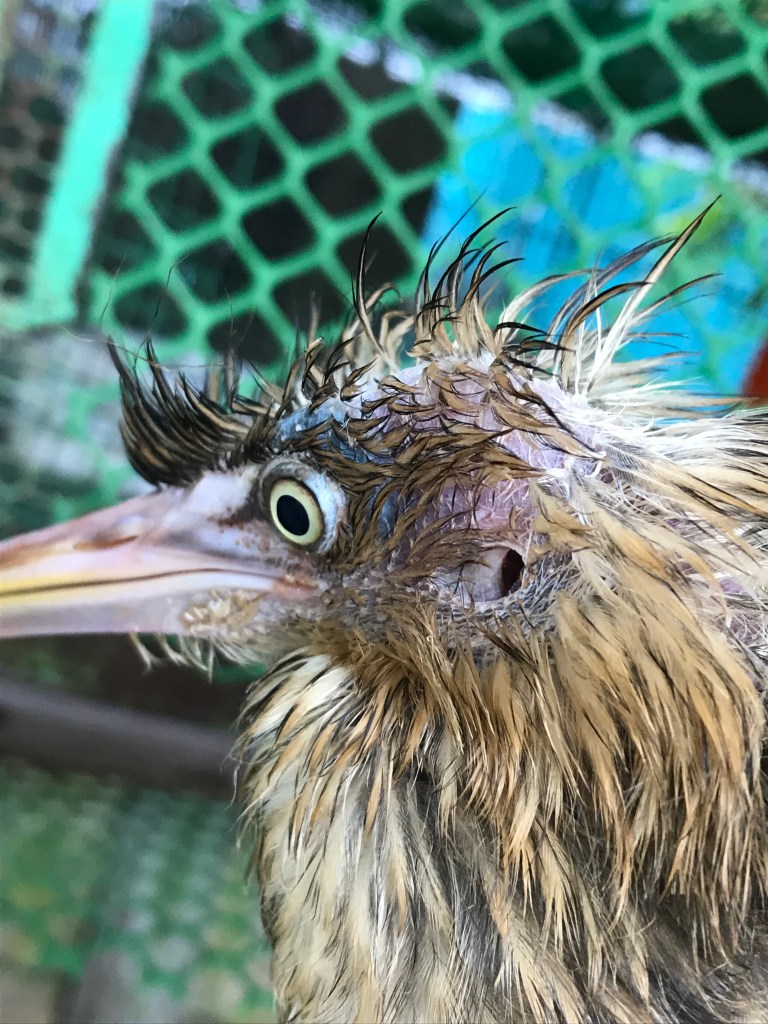
Two days ago, I visited a small garden that is near the Western cafe. When I walked into the garden, I saw a friend who lives at the ashram. For years, devotees have brought her injured or abandoned birds that they have found. She nurses the birds back to health and then frees them. On that day, she was interacting with a pond heron. I was intrigued.
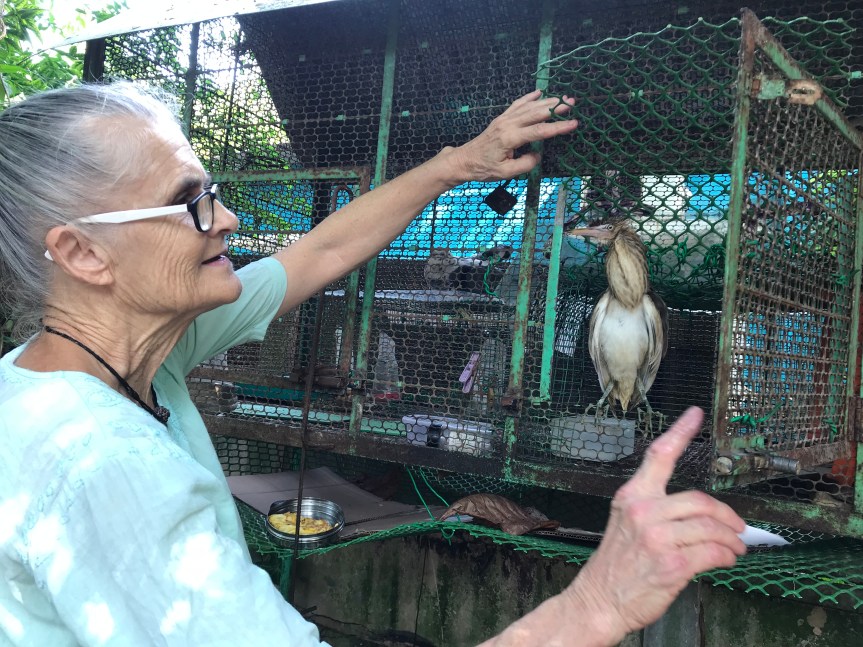
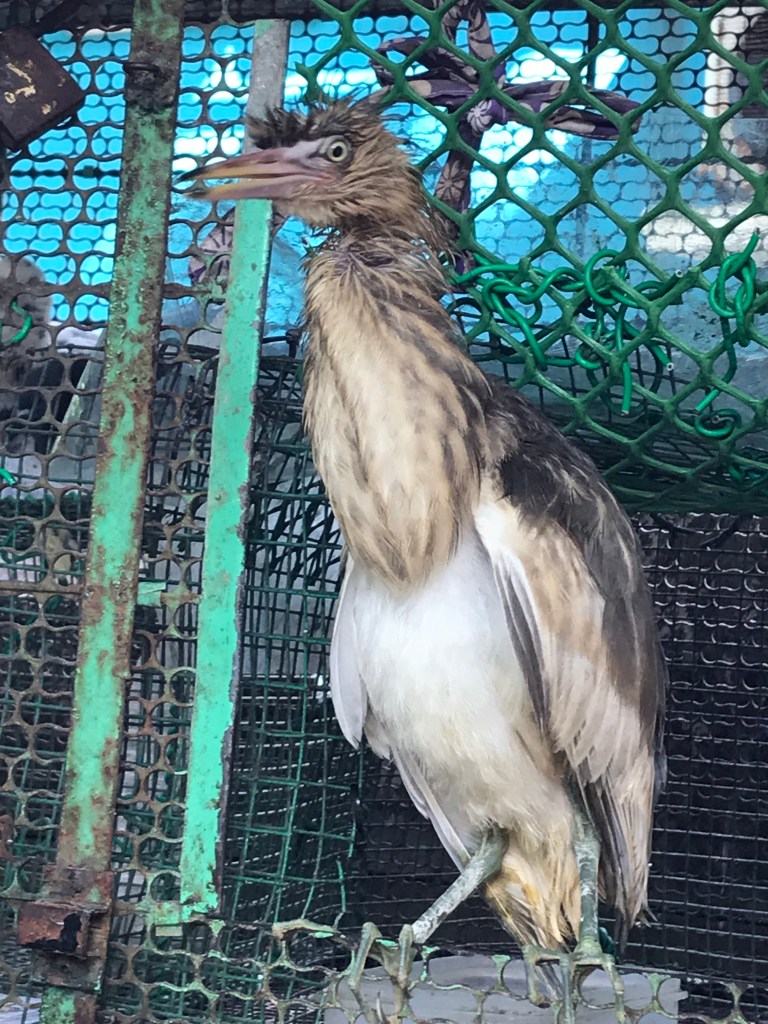
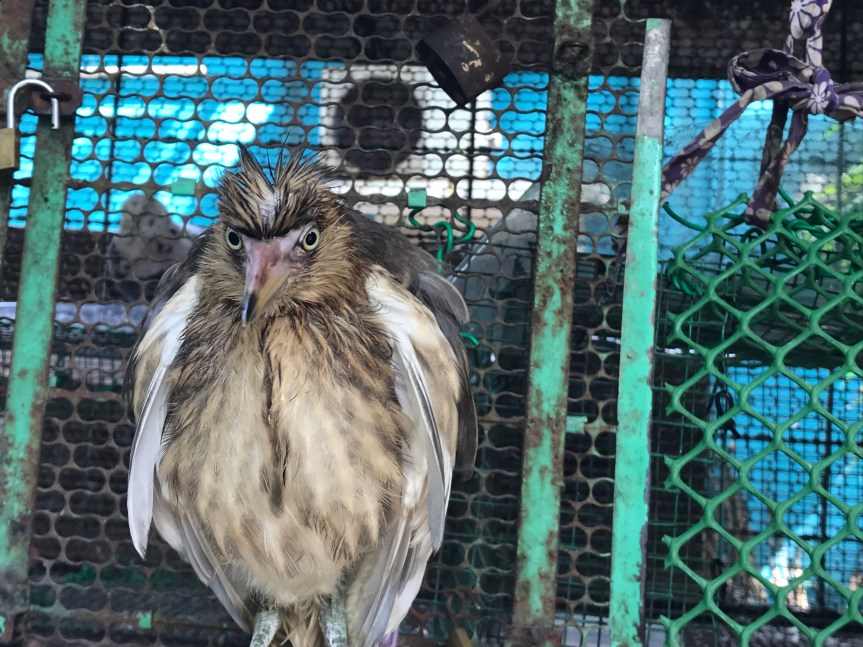

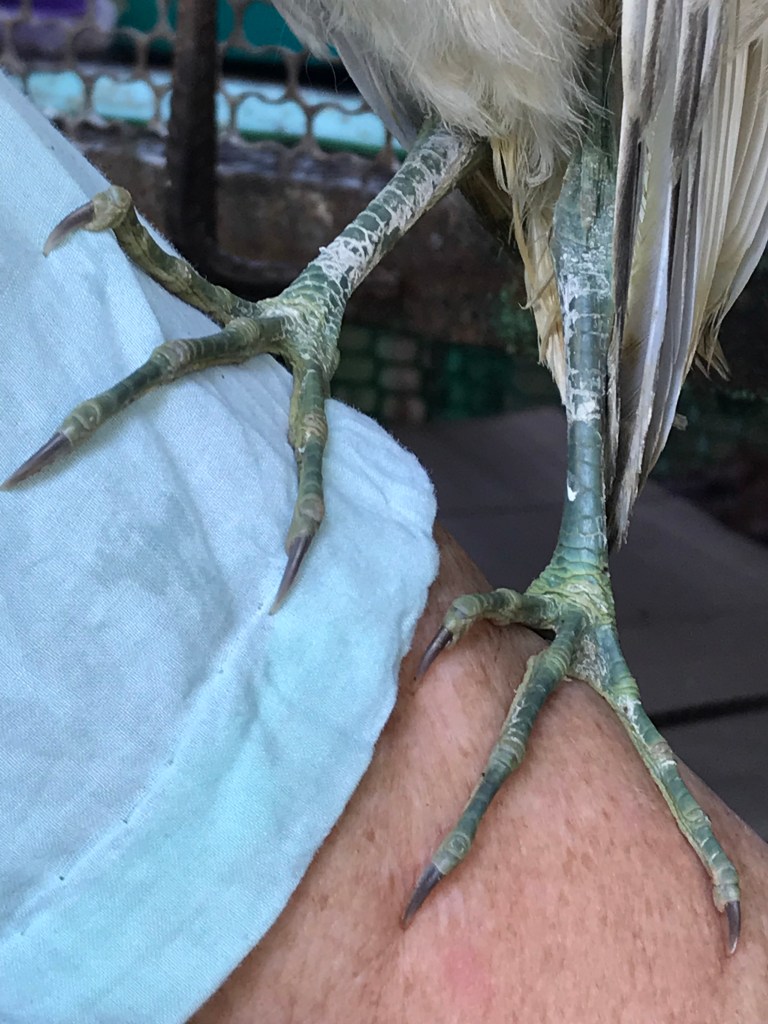

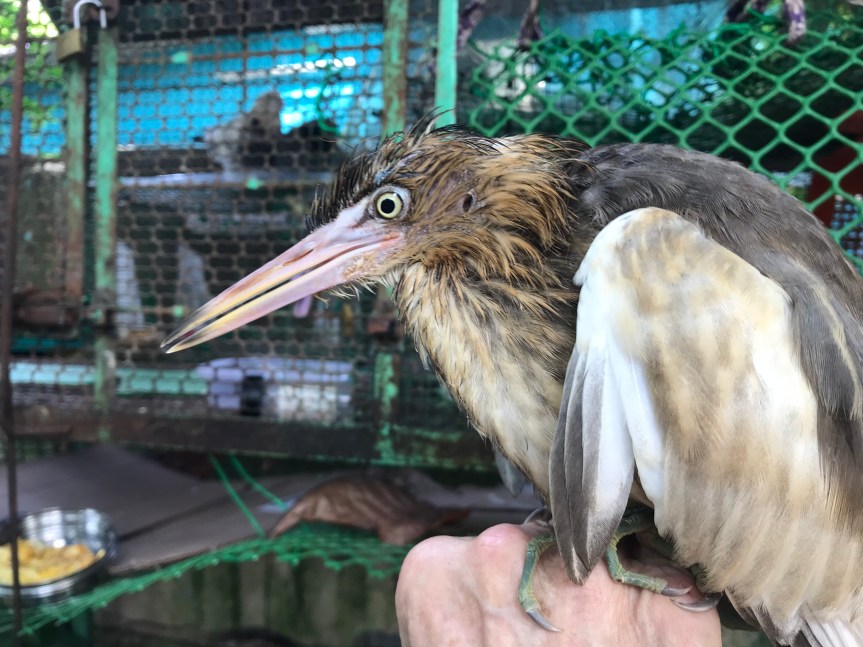
The “hole” towards the back of his head is his ear.
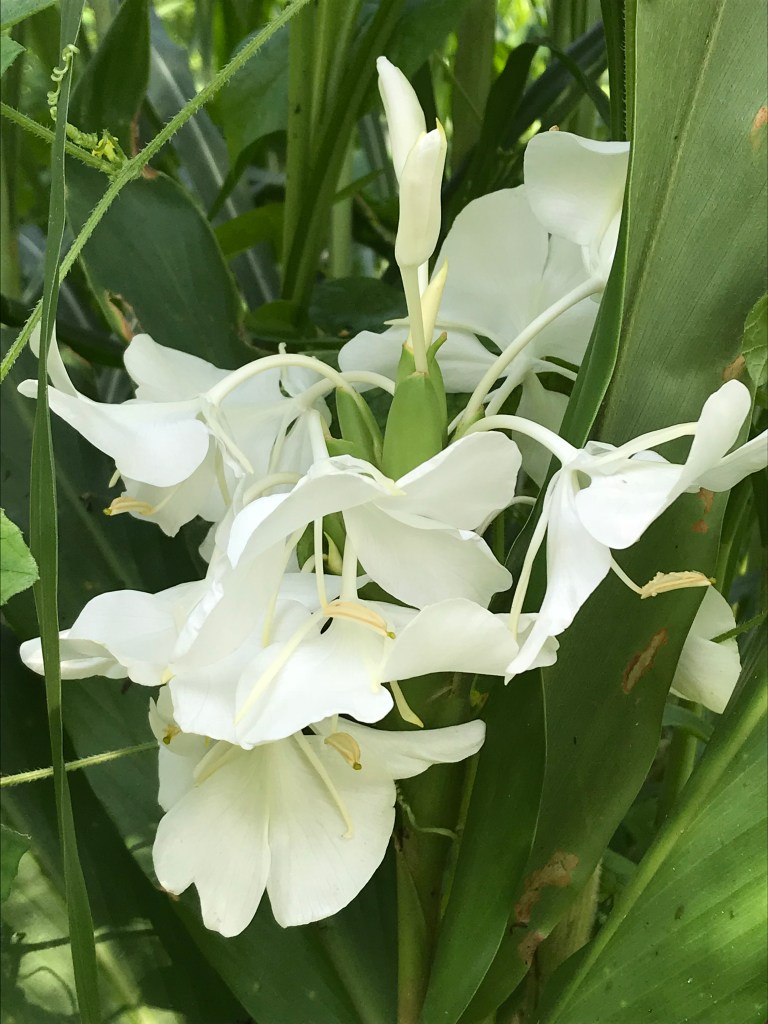
My friend Nigama showed me a beautiful flower in front of the cafe this morning.

The Art and Craft of Blogging
A collection of discussions on the environmental issues
“The fool doth think he is wise, but the wise man knows himself to be a fool.” “Love all, trust a few, do wrong to none.” “Love looks not with the eyes, but with the mind, And therefore is winged Cupid painted blind.”-William Shakespeare
...moments of unexpected clarity
Home of Lukas Kondraciuk Photography
Wellness, Support and Mindset
Thoughts on Creativity & Deeper Things
A Blog by Novella Carpenter
Ramblings of an Irish ecologist and gardener
Teaching the art of composition for photography.
Blog from SathyaSaiMemories ~ stories of love in action and the benefits of giving
There are 11,507 stories in Haddonfield; this is one of them.
Perennial gardening and more from the Green Mountains of Vermont
Whatever it will be...
Welcome to my little slice of the blogosphere
 Living, Learning and Letting Go