These were the instructions for this week’s Dungeon Prompt:
This week, let’s step out of our blogging boxes and shake things up. If you normally write poetry try writing prose. Or if you normally write freestyle poetry, try writing a sonnet. If you normally write in the first person, write in the third person instead. If you normally write about other people, write about yourself. If you normally write a hundred words, try writing eight hundred. If you normally write over a thousand words, try writing a haiku (without a thousand words of explanation).
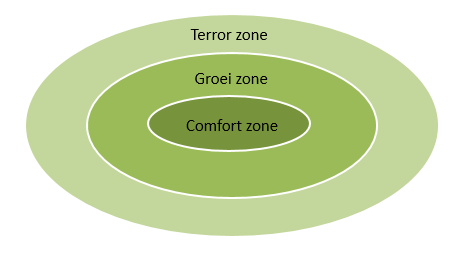
I had no doubt which form of writing is out of my comfort zone; it is writing poetry. I thought about it for a short time and then concluded that this might be the week that I didn’t participate in Dungeon Prompts. When I shared that conclusion with my blogging friend Cheryl-Lynn at Traces of the Soul, she suggested I write a Tanka. Continue reading “Stepping Out of My Comfort Zone”→
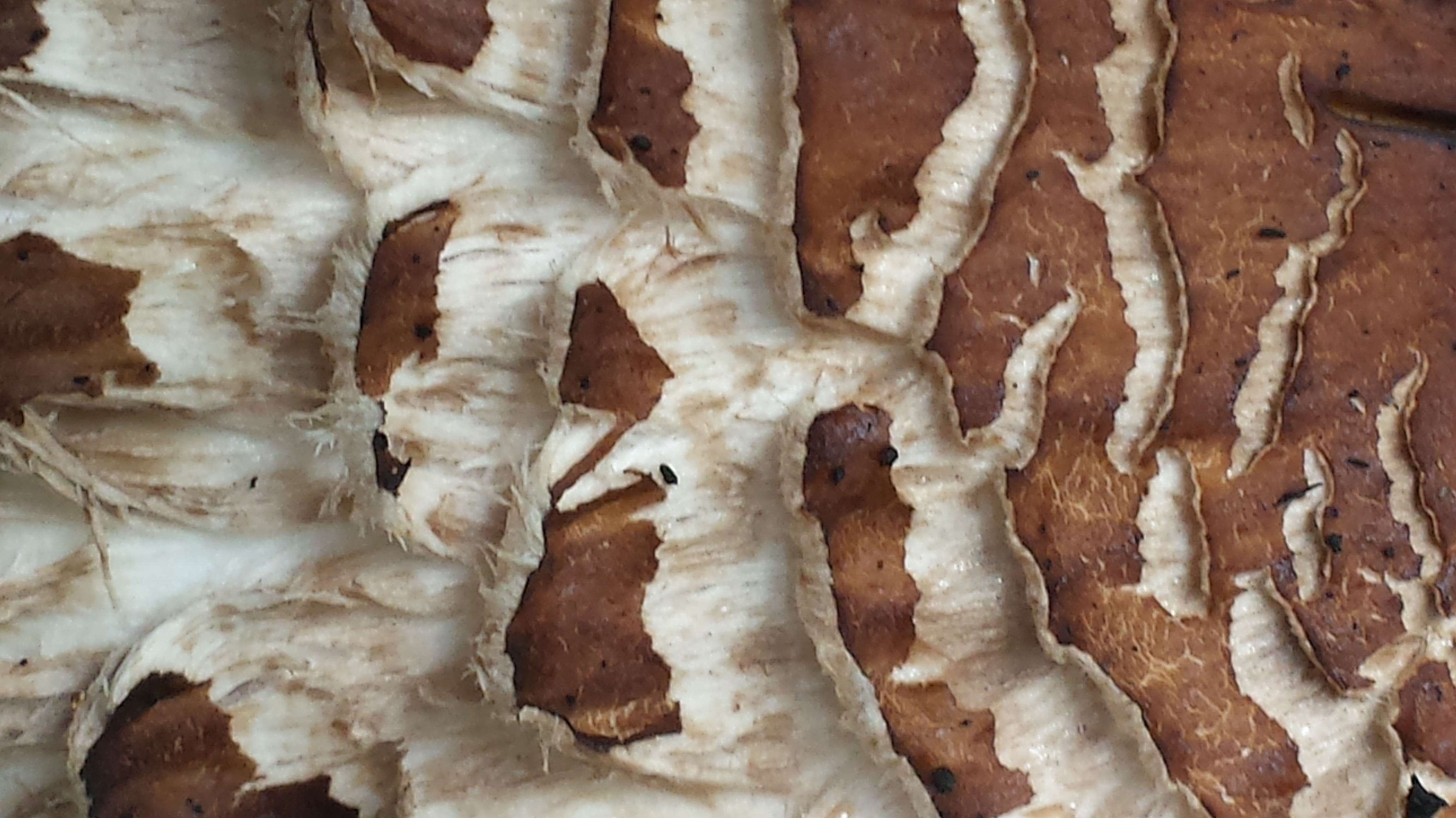
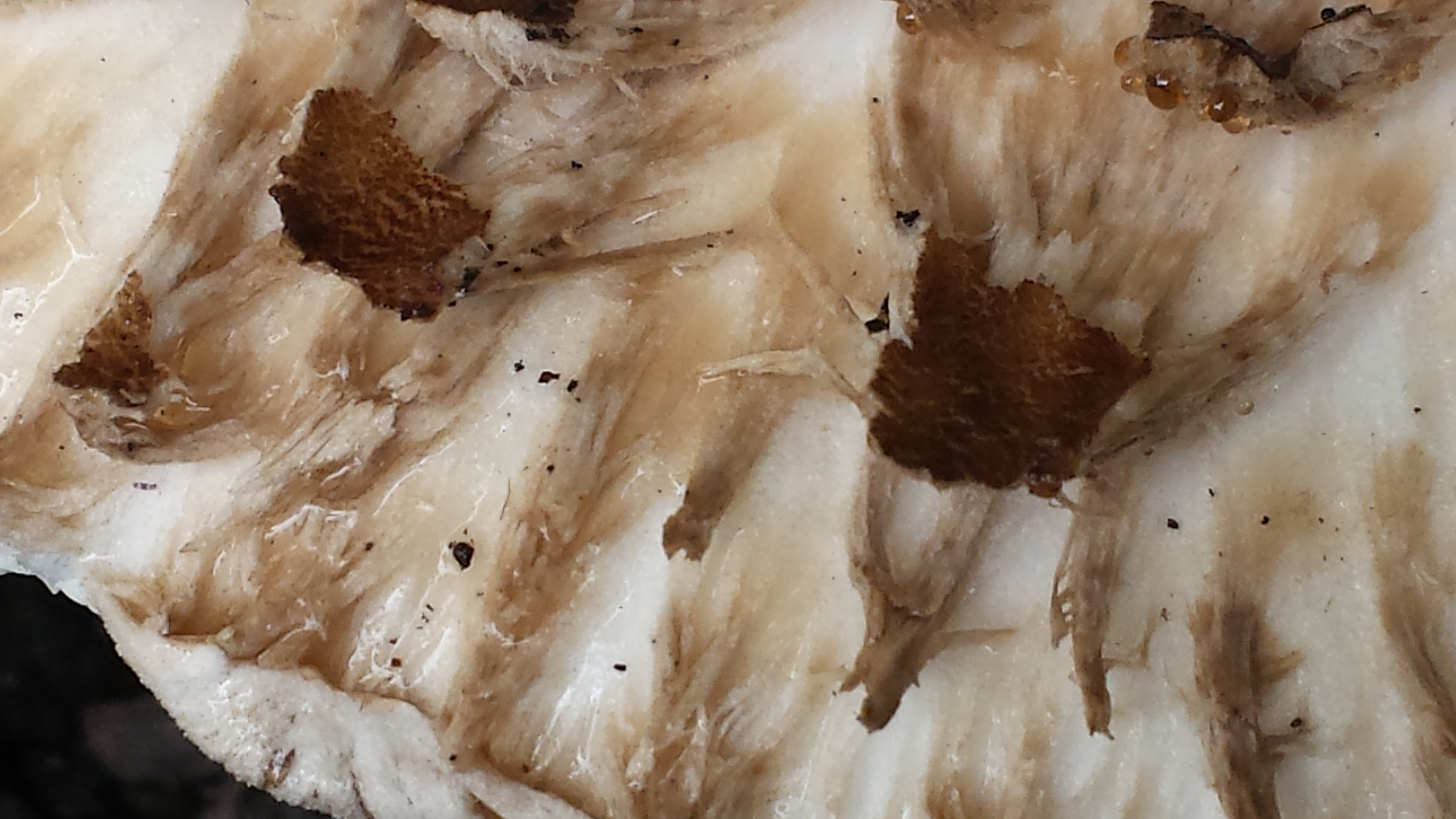
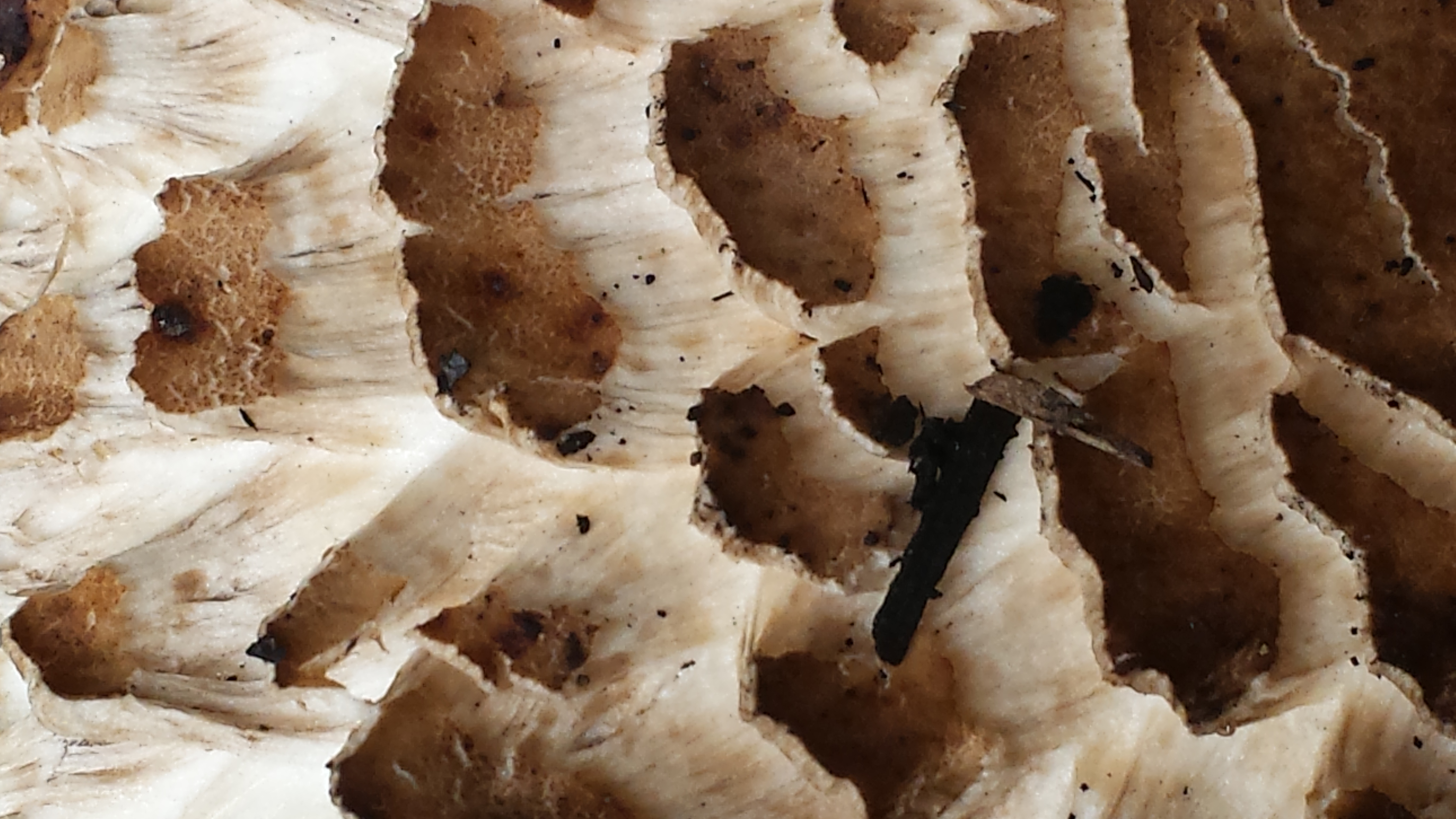
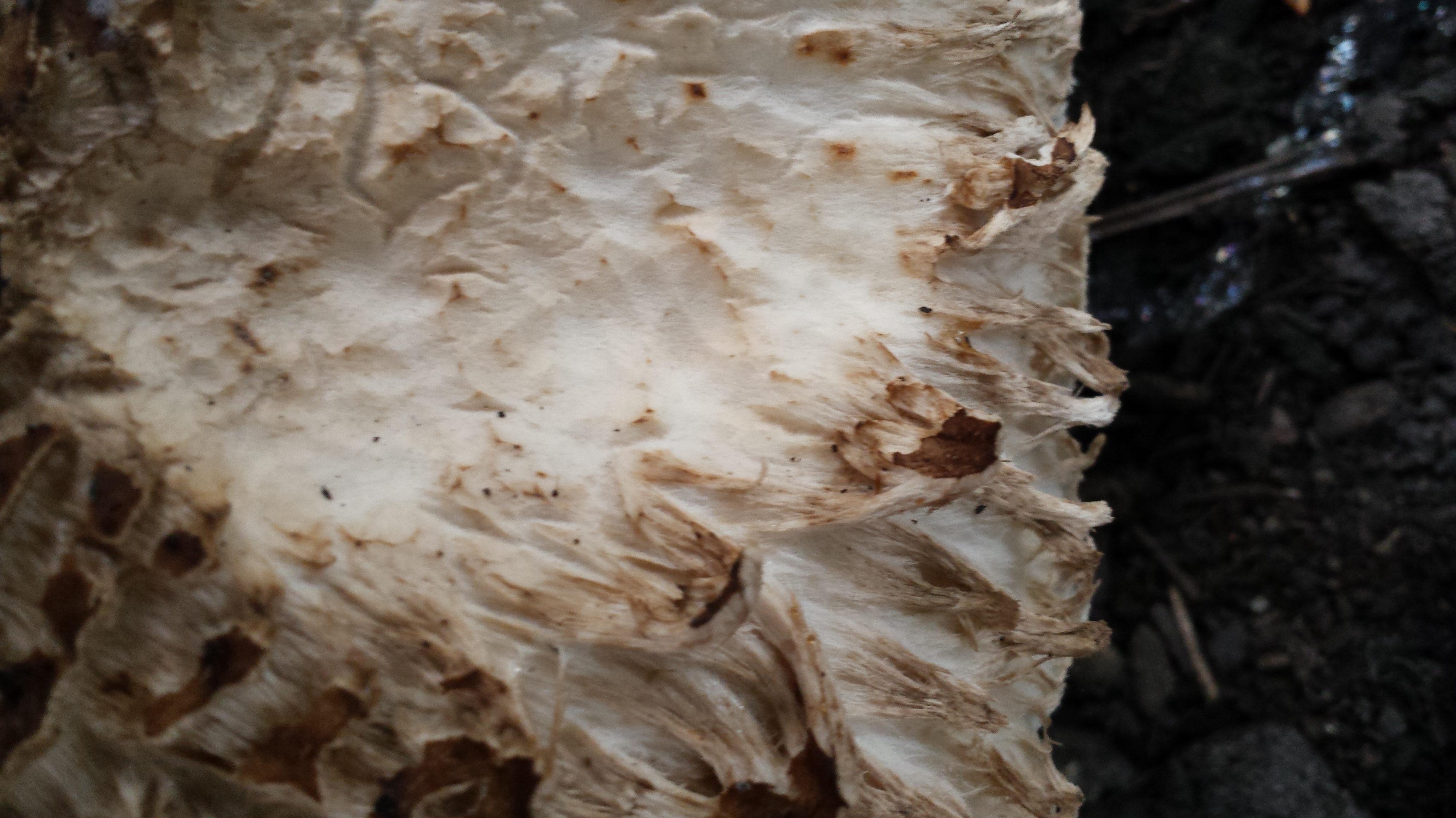
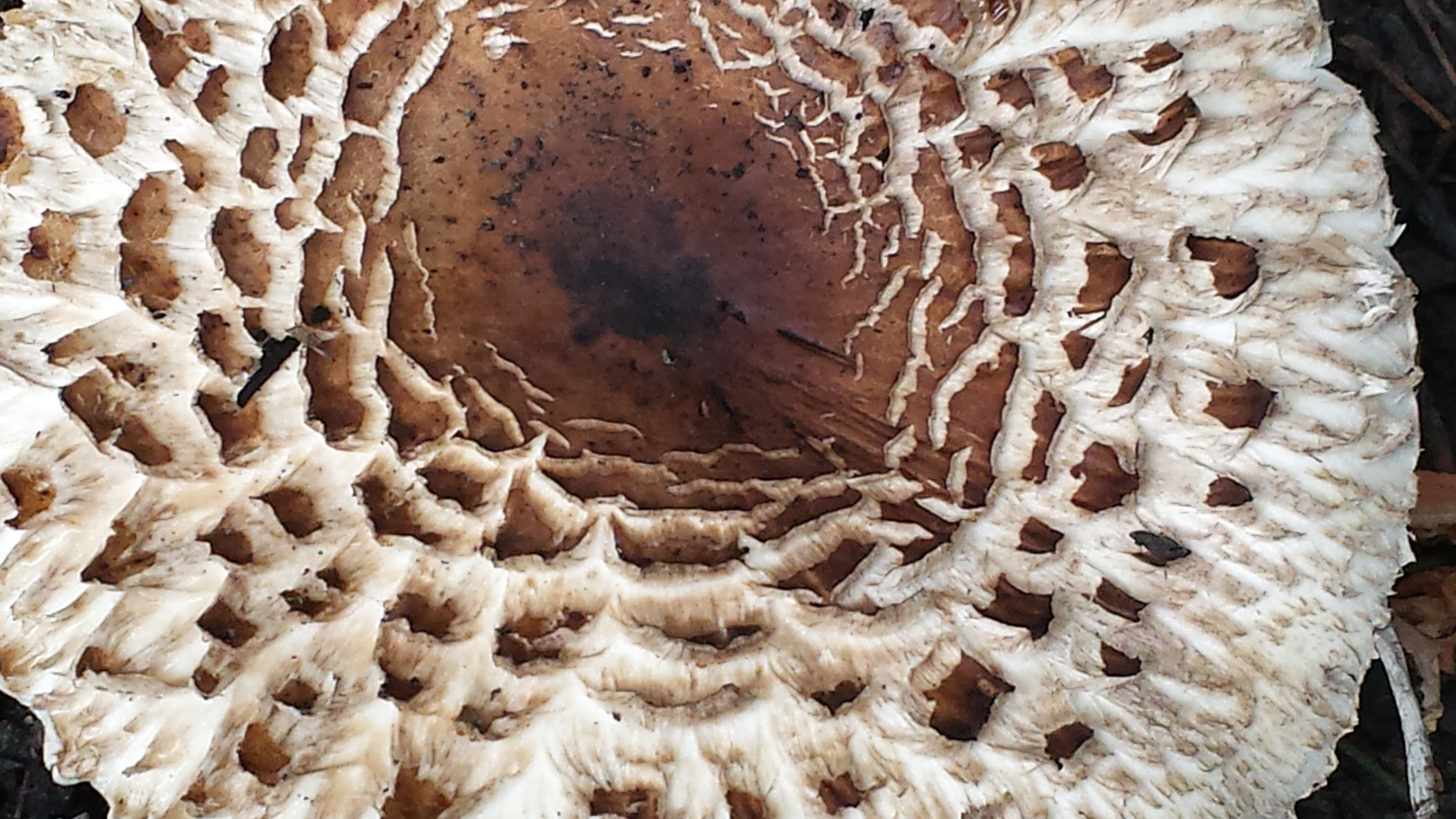
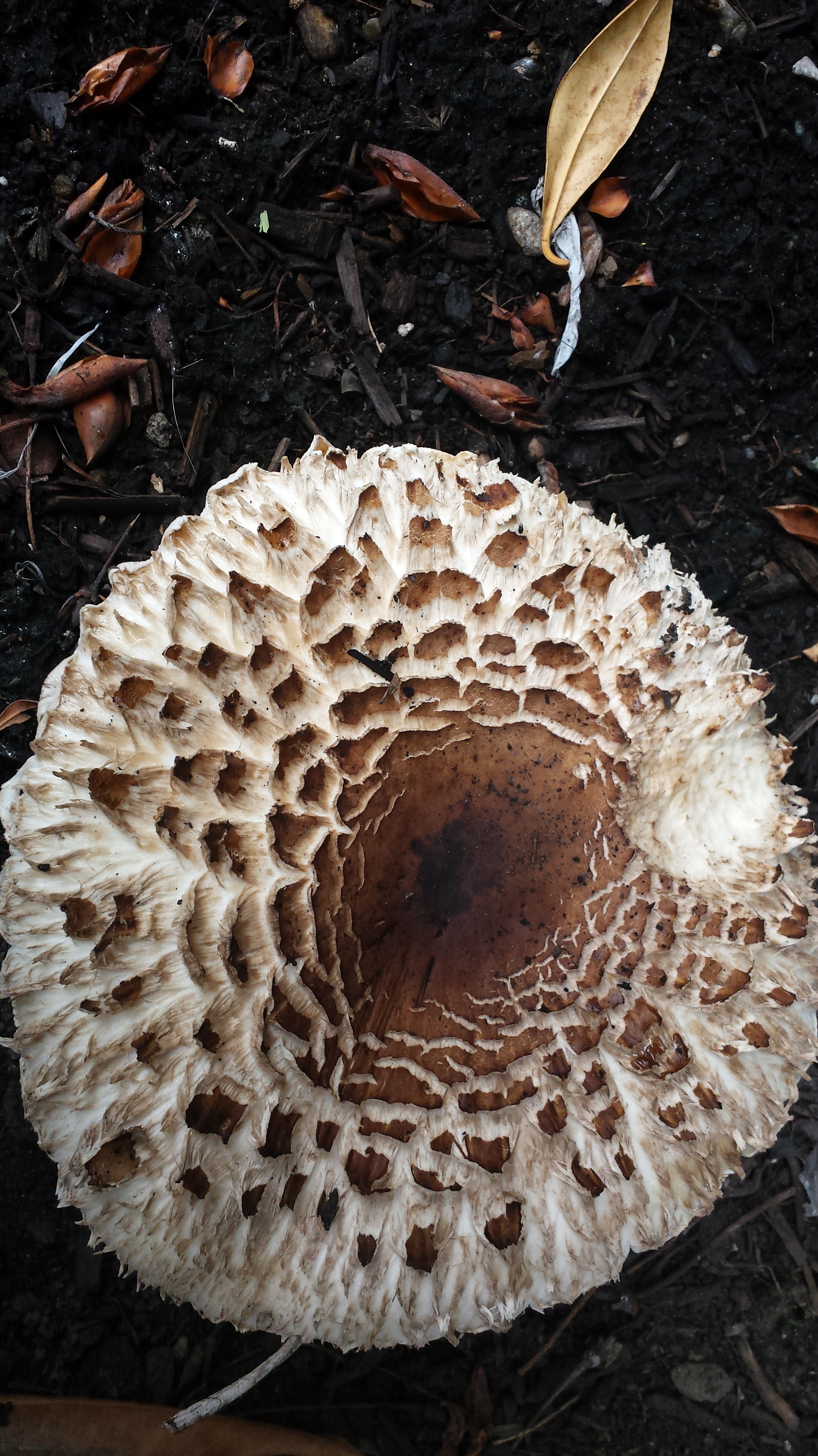
Yesterday an interesting object caught my eye. I will show it from several views. I wonder how soon you will recognize what it is!
1.
2.
3.
4.
5.
5.
6.
These are pictures of a mushroom, one that is seven inches in diameter. All of the photos are taken from the top, except for the last one. Did you figure it out? If so, what was the number of the picture when you first realized it was a mushroom?
There are several of these growing in my front yard. I’ve had mushrooms in my yard before but they have always been quite small.
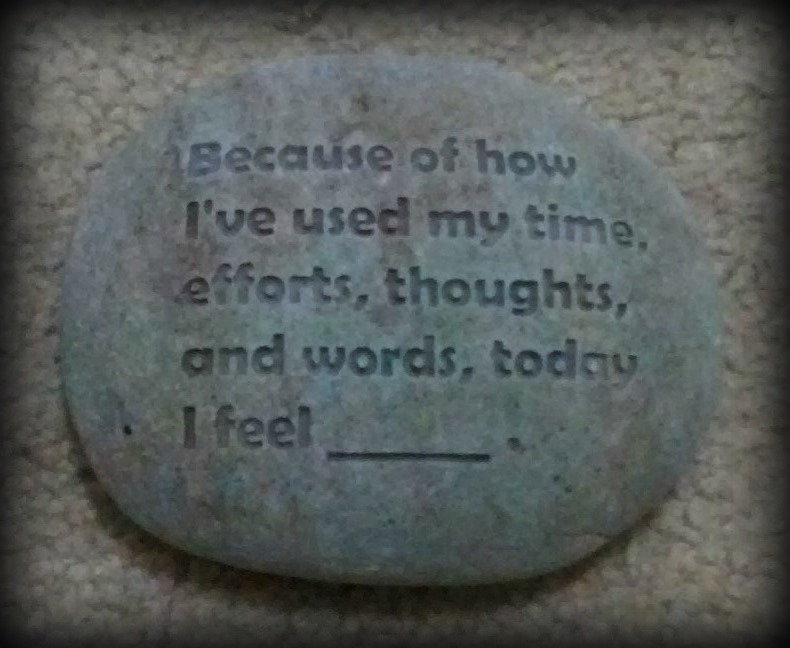
When a friend showed me a picture of this rock, I thought of a one of the self care contracts* that I use in my personal life and with my psychotherapy clients. That contract is “I am responsible and accountable for my thoughts, feelings, actions and attitudes.”
It is not uncommon to hear people in our society make comments such as, “You hurt my feelings.” and “You made me do that.” You…..you….you….you. When we get into the “you’s” we are more than likely not being responsible and accountable for our own feelings, thoughts, actions and attitudes. Using that way of speaking increases the chances we will immerse ourselves in victim thinking and as a result experience a sense of powerlessness.
In the late 80’s and early 90’s there was a period of several years when I had a series of mystical experiences. Even though they may have been frightening at times, they were also fascinating and exciting. A whole new world was opening up for me, one that was very different from my normal logical left brain way of being in the world.
Back then, I would frequently enter spontaneous trance states, i.e. altered states of consciousness. I remember once sensing that part of me was at a party, one that the rest of me wasn’t allowed to go to. At the time, I believed that the pain of leaving that “party” would have been so tremendous that my not being allowed to go there completely was my unconscious mind’s way of protecting me from having to feel so much grief. Continue reading “Be Careful What You Wish For”→
Every week our homework in my Sanskrit class is to write five to ten sentences in Sanskrit. To accomplish that I pick a theme, compose the sentences in English and then translate them into Sanskrit.
Sometimes I publish my homework on my blog. This is one of those weeks!
Generally I don’t show the direct translation in my posts. I included it this time because I thought it might be interesting for you to see that the structure of Sanskrit sentences is not the same as we use when we write in English. Notice also that the Sanskrit meaning is generally more poetic than the direct English translation.
प्रतिजनस्य जीवनं महत्त्वपूर्णं अस्ति ।
Direct translation: Every person’s life important is.
Meaning: Every person’s life is important.
प्रतिजनः विश्वाय योगदानं करोति ।
Direct translation: Every person for world contribution makes.
Meaning: Every person makes a contribution to the world.
युध्दं मा भवतु । Direct translation: War no be.
Meaning: May there be no war.
प्रतिजनाय पर्याप्तं आहारं भवतु ।
Direct translation: Every person enough food be.
Meaning: May every person have enough food.
प्रतिजन: प्रसन्नः भवतु ।
Direct translation: Every person happy be.
Meaning: May every person be happy.
प्रतिजनः अन्यान् गौरवेण पश्यतु ।
Direct translation: Every person others with respect see.
Meaning: May every person look at others with respect.
My journey with blogging actually began when my son Sreejit started his blog, The Seeker’s Dungeon, in September of 2012. I was so impressed by his poetry and his other posts. He had written Of Mind or Matter by then, so I knew he could write well, but the breath of his knowledge was far greater than I realized. I loved reading the supportive comments he received from the Word Press community of bloggers and I could see his confidence growing exponentially.
In August of 2013, Sreejit started Dungeon Prompts. Every Thursday he would send out a prompt encouraging bloggers to “explore the recesses of your mind and get back with a poem, story, essay or creative offering.” I enjoyed reading the posts the other bloggers submitted. He also encouraged those who didn’t have blogs to include their responses to the prompt in the comments section. From time to time, I also participated in that way.
Later in the fall, Sreejit started encouraging me to start my own blog. At first I said “No”, and then later changed it to “Someday.” Soon I had to admit to myself that I was getting interested in the idea.
Towards the end of February of 2013, I had an exciting idea. I would start my blog without telling Sreejit I was going to do it. He would find out when I responded to his Dungeon Prompt for the week. The topic that week was Gratitude. What a perfect subject for me to address in my first post!
My intention in starting my blog was to have a way to participate in the Dungeon Prompts. I didn’t have a clue how much I would end up loving it. Blogging has become a major part of my life. So why do I blog?
Because we have blogging in common, I feel so much more connected to my son. Our relationship has strengthened and deepened and we “talk” through email or “What’s App” several times a week.
When I taught at the University of Washington I published lots of professional articles. After I became a psychotherapist, I wrote numerous personal growth articles. During my first decade with Amma, I wrote three books about my journey with her. At that point I felt finished with writing. In fact, there were times when I thought I had no more to say. Thanks to my blog I am writing again. And I find I have plenty to say!
I have learned so much since I started blogging. I have delved deep inside myself and my own past and as a result have grown significantly. I have taken Word Press Blogging 101 and 102, Writing 101 and 102, and Photography 101 courses. And I have learned from reading posts written by other bloggers.
I’ve had numerous readers tell me that they appreciate having the opportunity to learn from reading my blog. So through my blog I teach others.
I have always been a creative person, primarily in crafting. Blogging has given me an opportunity to be creative in so many different ways; in my writing, through photography, and even by writing a bit of poetry.
When Sreejit started blogging, I was impressed by the community of people that he became involved with. The same has happened for me. I have blogging friends from all over the world. I have even met one of them in person!
So I blog as a way of connecting with my son and because it is an opportunity to write, learn, teach and be creative. It has also given me a chance to create a larger community for myself.. But most of all, I blog because I love blogging! Rarely has an activity given me so much pleasure. Thank you for introducing me to the world of blogging Sreejit.
Last month, I attended a three day Sanskrit immersion family camp being held at Evergreen State College in Olympia, Washington. The camp was sponsored by Samskrita Bharati (संस्कृतभारती), an international organization that is “devoted to the mission of popularizing Sanskrit as a spoken language, and, thereby, engendering a cultural renaissance through rejuvenation of this language which holds the key to the unfoldment of India’s rich cultural heritage and knowledge.”
This was the fourth year I had attended their summer workshop. I loved being with the faculty and students I had met in previous years, as well having the opportunity to meet the new students. I felt very connected to everyone; connected through our love of Sanskrit.
A few days ago, I found a photo of the students and faculty who attended this year’s camp on the Seattle Samskrita Bharati Facebook page. I don’t think you will have any trouble spotting me! 🙂
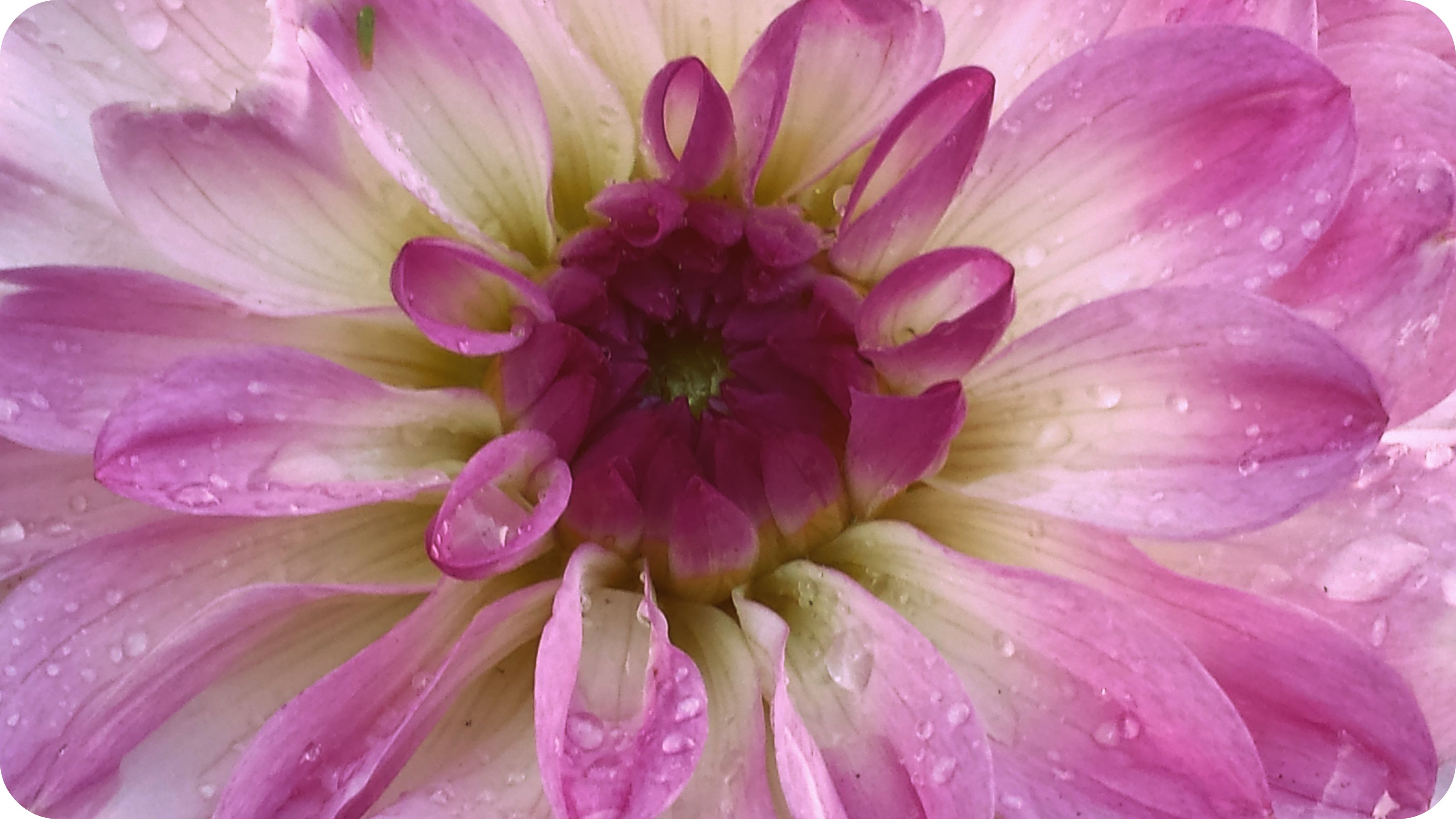
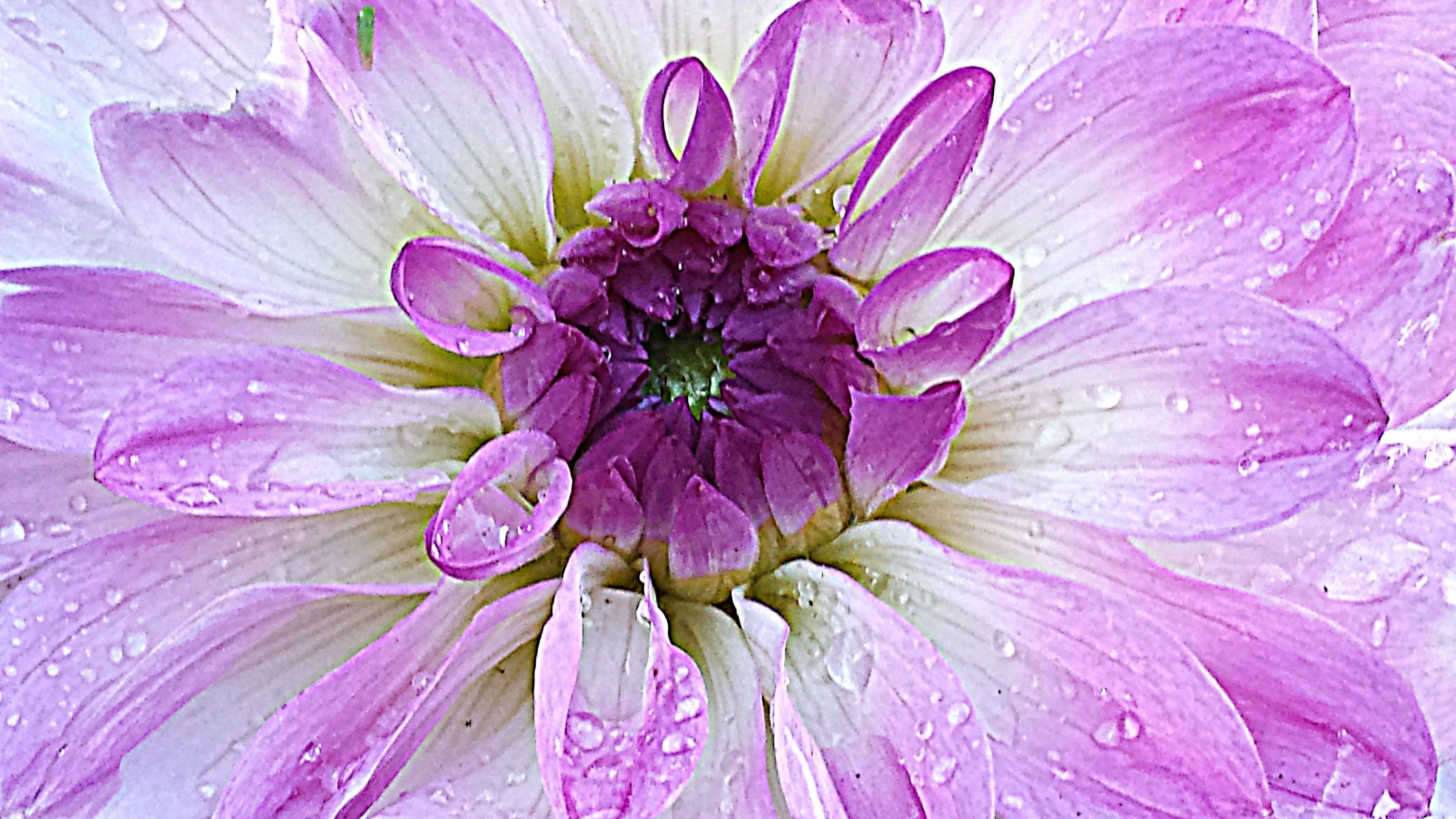
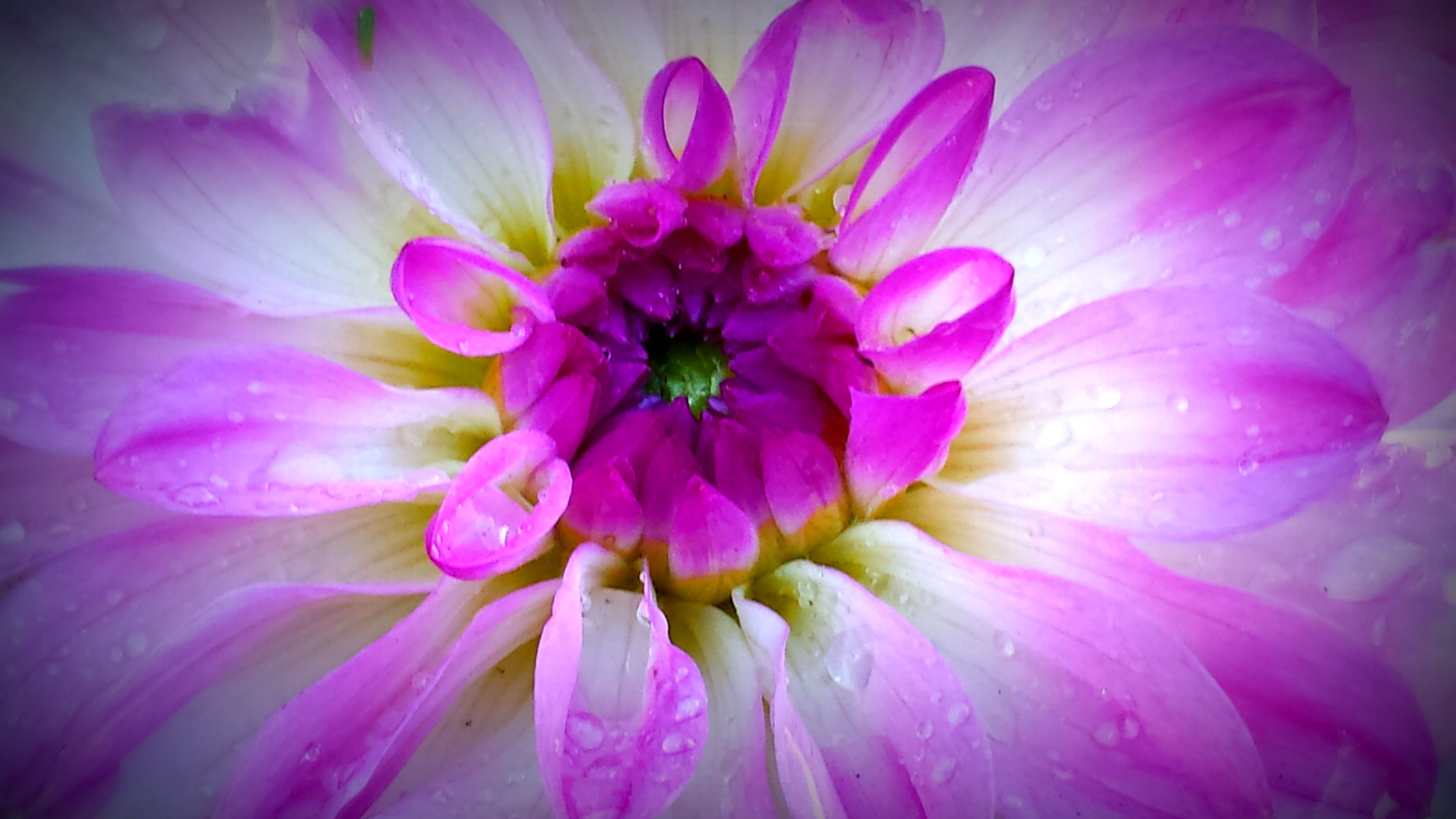
I love the true beauty of nature so much that I almost never think of using the filters. Today I decided to take one of my favorite photos from this season and see what it would look like if I applied filters to it.
The Original PhotoYester ColorUrbaneTintPosterizeFocal Black and WhiteFocal ZoomHDRHolgaLomoBoost
That was fun! And a good reminder to use the filters from time to time. Which filtered pictures do you like best?
Wednesday morning has become one of my favorite times of the week. That is because Wednesday is the day of the week that Sreejit at The Seeker’s Dungeon publishes the newest chapter of his novella, Blur.
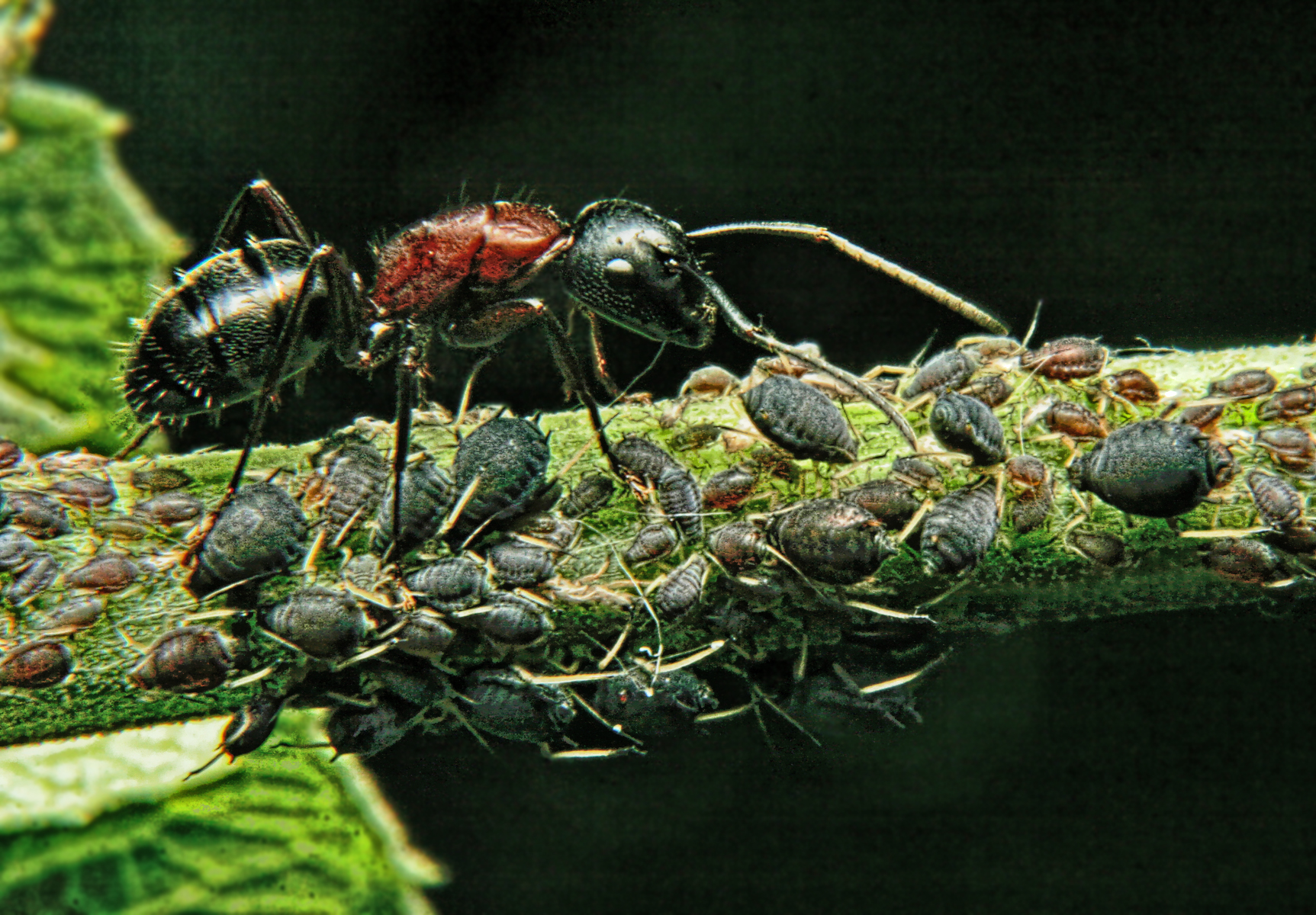
When I blogged about experiences I had with ants earlier this summer (Discrimination Opportunity and Watch, Wait and Wonder), one of my blogging friends, Hariod at contentedness.net told me that ants and aphids have a symbiotic relationship. I was fascinated by his description of the process so decided to learn more about it.
Ants play the role of protector in the ant-aphid relationship. They do that in exchange for the honeydew that the aphids express when the ants stroke the aphids’ bodies with their antennas. I found some videos that show those behaviors.
In the first part of this video, you will see the ant stroking the aphid, the honeydew being expressed, and the ant drinking it.
The next video, shows how ants protect aphids from lady bugs (I was surprised to learn that in other parts of the world lady bugs are called lady beetles, lady birds, or lady cows! Ladybugs is a North American term.)
As I continued exploring the YouTube videos, I found an incredible one which shows ants protecting aphids from an aphid lion, which is actually the larva form of a Green Lacewing. The video also reveals that there are some creatures which ants allow to stay near the aphids.
The ants are very much in charge of the relationship. Some of the articles say that ants “farm” the aphids. When an ant finds a group of aphids, it leaves a trail of pheromones for worker ants to follow. The ants then enslave the aphids. They slow the aphids down by drugging them with a tranquilizing chemical from their feet. They may also bite off the aphids’ wings to prevent them from flying away.
The ants protect and take care of the aphids in ways other than saving them from predators. They may move the aphids to parts of a plant that have the best sap. When it rains the ants may take the aphids to a more sheltered place, bringing the aphids back to the plant after the rain shower is over. Ants may even carry aphid eggs to the storage chamber of their own nest in order to help them survive a cold winter.
Nature is so amazing. Both ants and aphids are such common creatures, but I would never have guessed that they were so interconnected.
“The fool doth think he is wise, but the wise man knows himself to be a fool.” “Love all, trust a few, do wrong to none.” “Love looks not with the eyes, but with the mind, And therefore is winged Cupid painted blind.”-William Shakespeare













 Living, Learning and Letting Go