Mystery in the Making

On Thursday, when I was showing a friend the restoration work we are doing in the Greenbelt, she asked me about the red she was seeing through the trees. It was deep into an uncleared and presently unreachable part of the project and I had never seen it before. We walked as close to it as we could get, but still couldn’t identify it. Our guess was that it is a rhododendron bush. If so, it is a first on that property.

The next day, I walked back to that area to see if I could get closer. I could still barely see the blossoms. In taking an enlarged view, this is what I saw.

I walked a different direction to see if I could get a better view. From that vantage point, I could spot a bit of red, but it was very tiny. See if you can see it.

So much of the property has already been cleared of blackberry and ivy vines and other invasive plants. I am enjoying the thought of making new discoveries when we begin working on the remaining areas of “uncharted territory”!

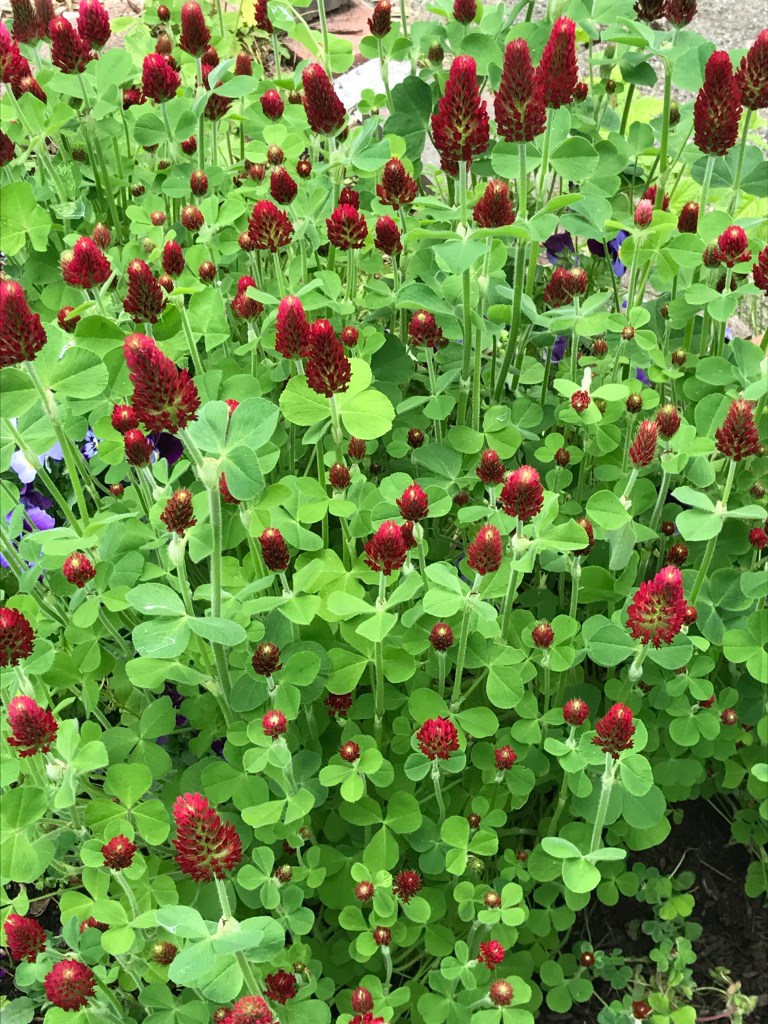
Red Clover

I planted red clover as a cover crop in my garden last October. I’ve done that before and just turned the plants over in the spring. This year, a friend told me she always lets it grow because she loves the red flowers it produces. I decided to find out what those flowers were like. I was not disappointed.

The bumble bees love it and I’ve seen one honey bee gathering nectar there as well. I look forward to examining one of the flowers under the microscope next week. What a fun way to provide nutrients to my garden soil.

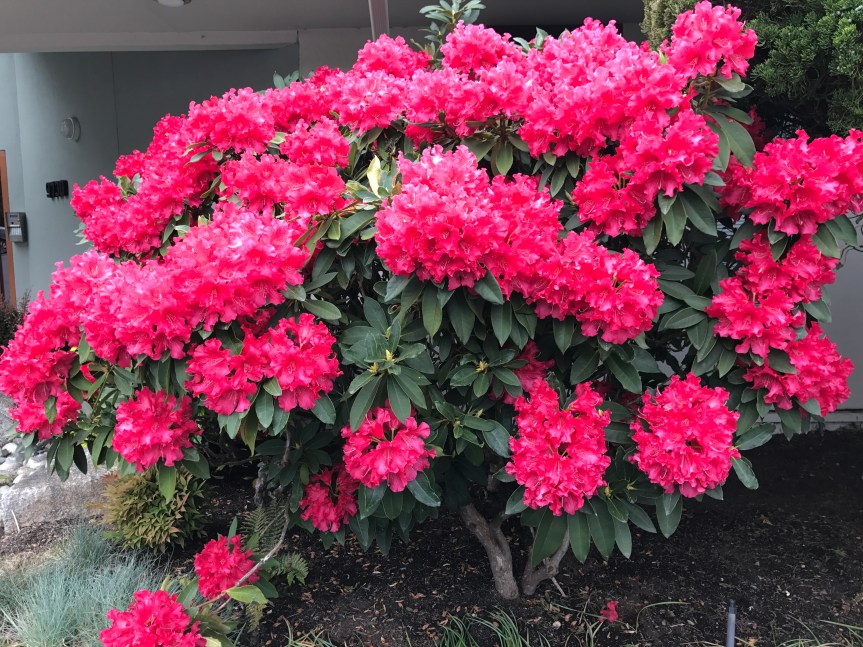
A Welcome Sight

On Monday evening, one of my teeth broke off at the gum level. The tooth was one that had a root canal, so I thankfully experienced no pain. One of my least favorite things to do, though, is to go to the dentist. I like my dentist, but that is beside the point. I don’t like to get dental work.

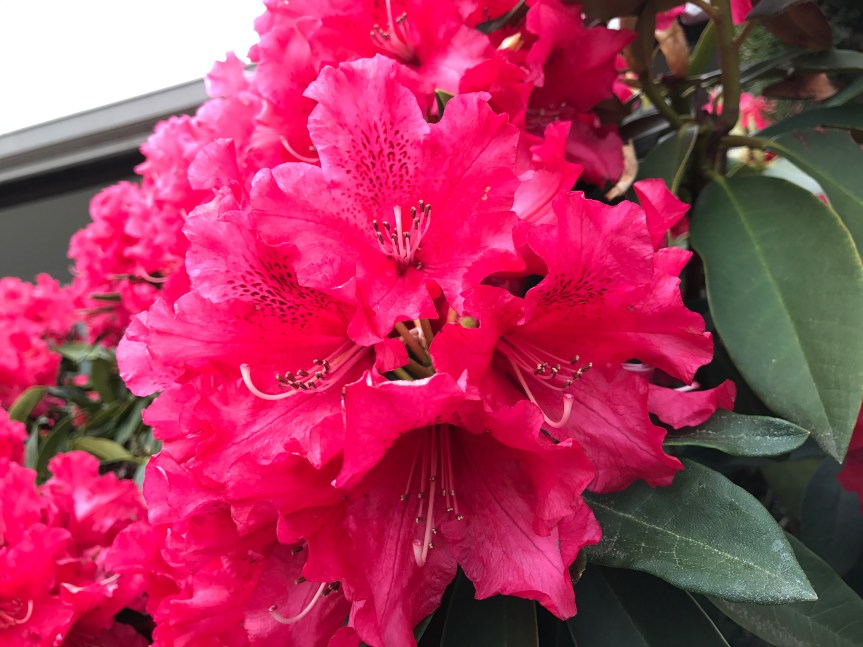
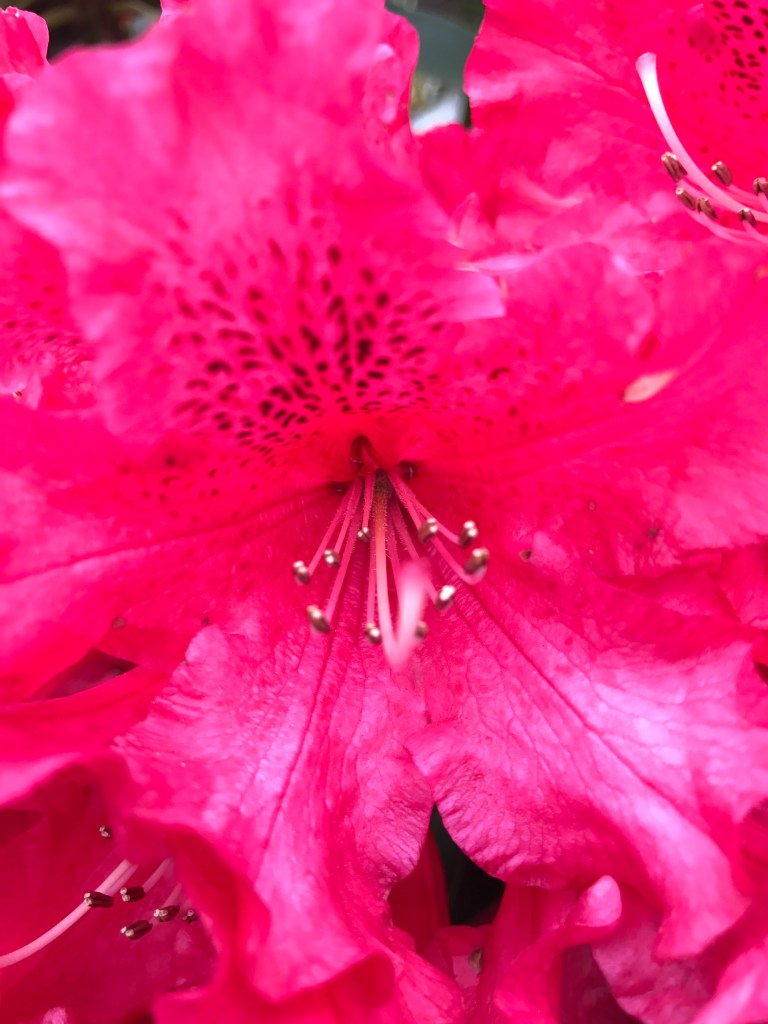
As I walked towards his office on Wednesday, feeling my normal dread, this rhododendron bush caught my eye. It is amazing how seeing beauty can shift my mood from dread to awe in an instant.


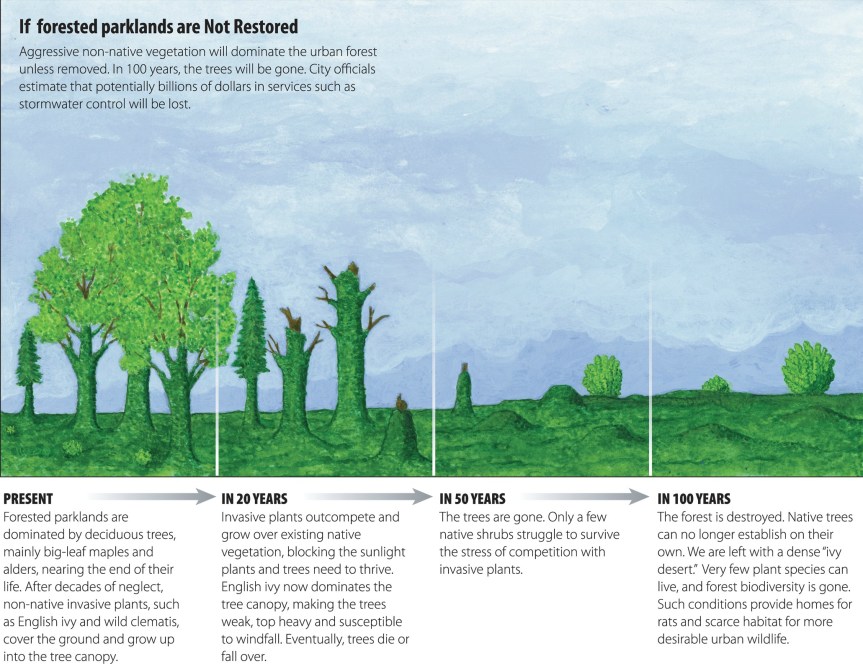
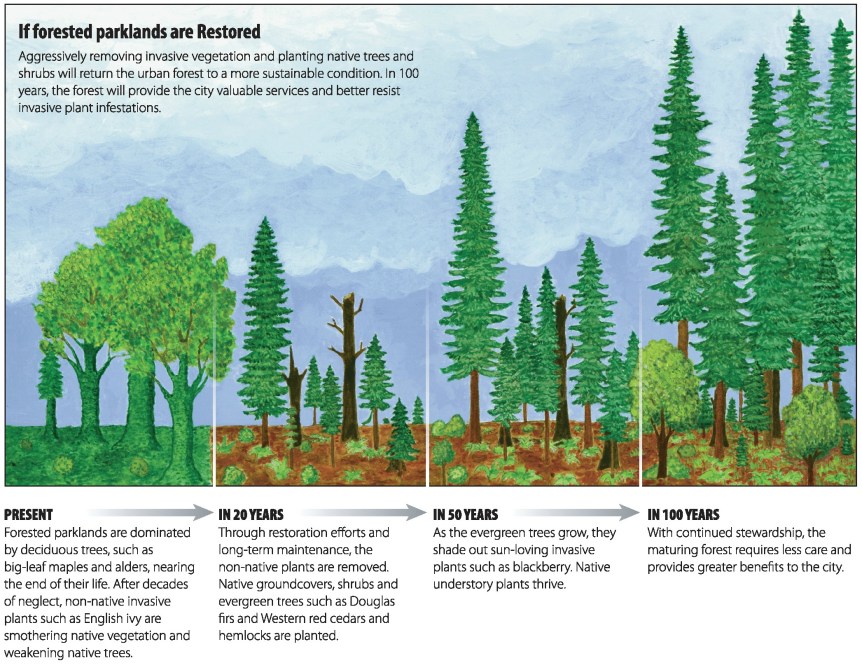
No Forest Restoration vs Forest Restoration

These timelines profoundly affected me when I saw them at the Green Seattle Partnership Forest Steward training that Ananya and I attended last March.


I choose to do whatever I can do to make the second timeline the reality.

Greenbelt Restoration Work Party: May 13

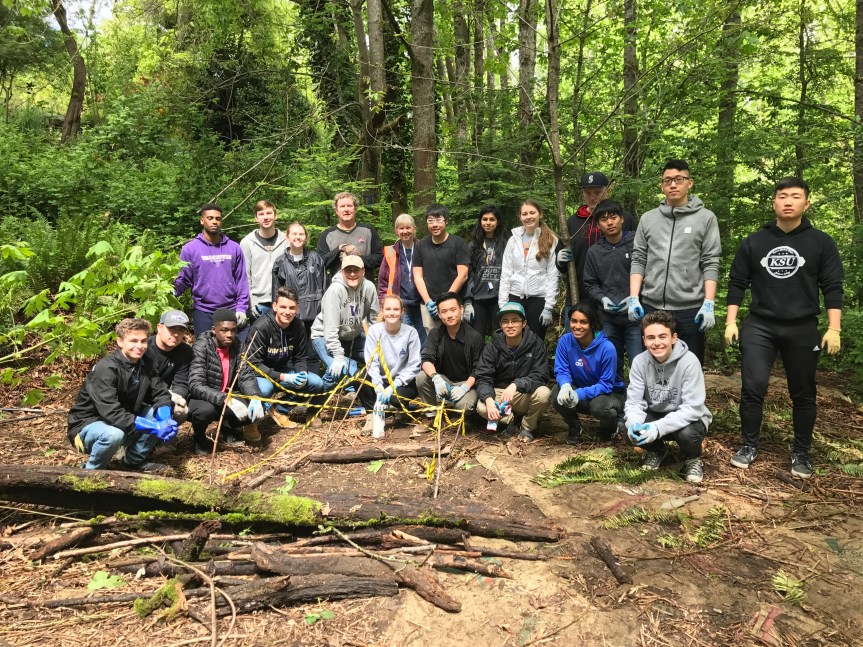
Twenty of the 23 participants in last Saturday’s work party were students from a University of Washington Environmental Studies class. I loved the opportunity to share this project with young people and appreciated what enthusiastic workers they were.

I set up five different work stations, and assigned four students to each of them. One group finished their work early so they joined another group for the remainder of the time.

Most of the work party was spent cutting down blackberry and ivy vines, and digging out blackberry root balls. Once the root balls were removed, we cover the cleared land with burlap bags to reduce weed growth. Then dried blackberry canes and other debris were placed on top of the burlap. In time, the bags and debris will turn into mulch which will hold in moisture and enrich the soil.

Since we use the blackberry canes to cover the burlap bags, it can be difficult for photographs to show how much work has been done. As you look at the before and after photos below, keep in mind that so many blackberry root balls are now above ground, stacked on racks made from tree branches where they will dry out.

Before and after photos for each of the five stations:

#1

#2

#3

#4

#5

The amount of trash that we collected during the last two work parties shocks me. I wonder it will ever come to an end.


As always, I was amazed and delighted by how much we were able to accomplish during a three hour work party.

The Resilience of Nature

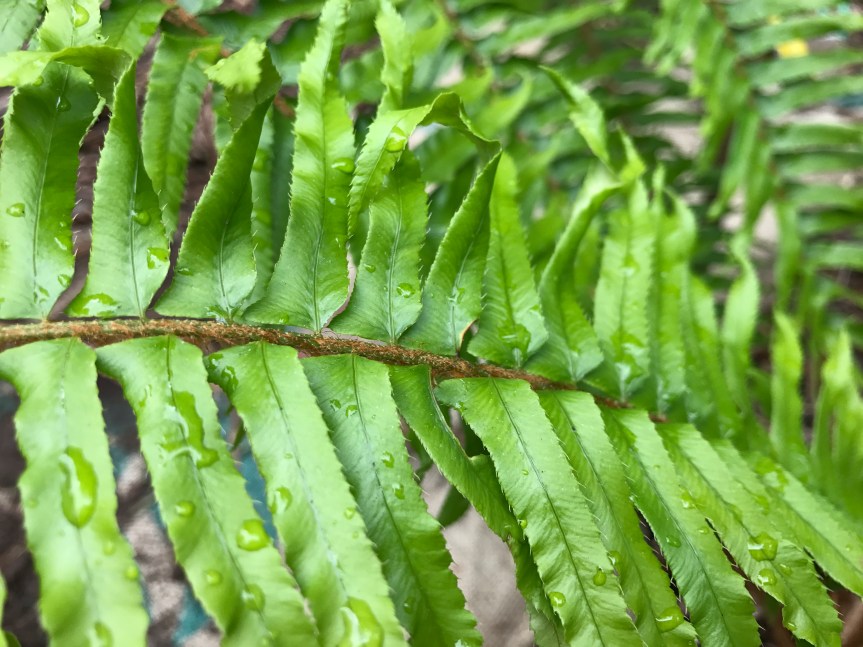
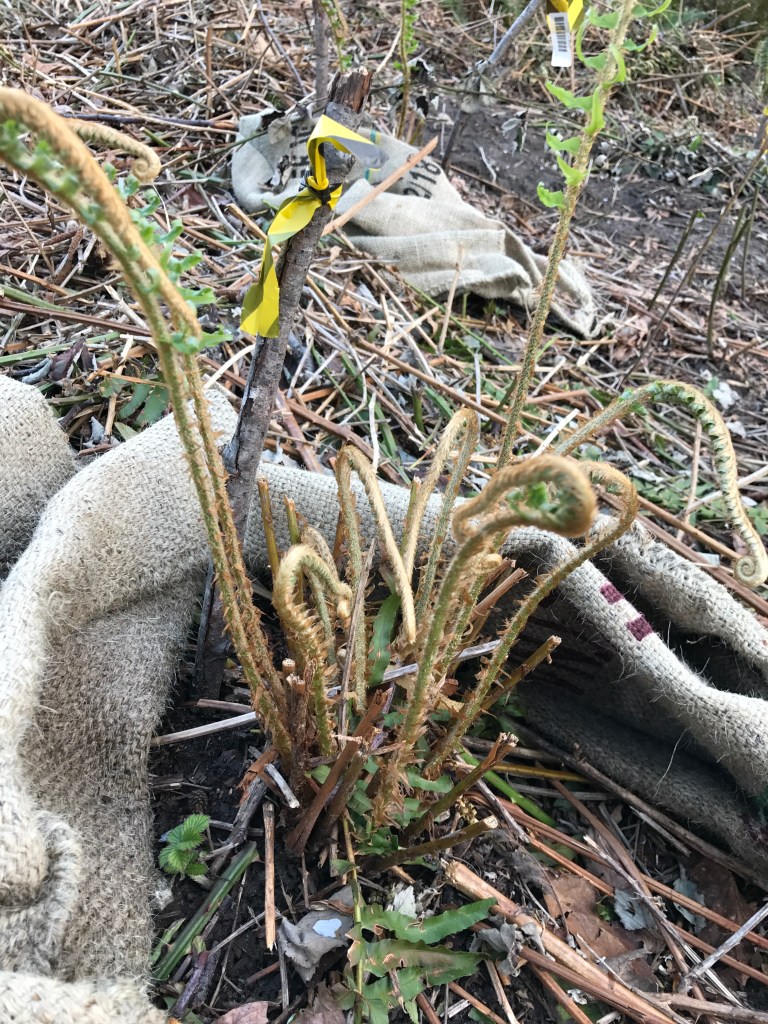
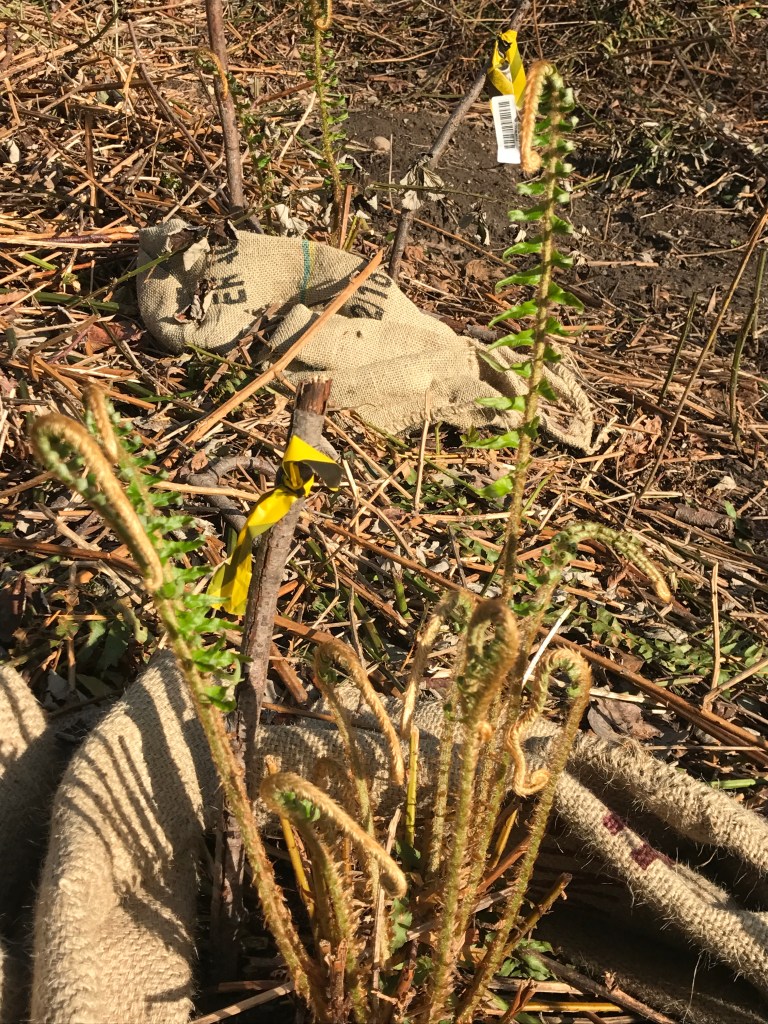
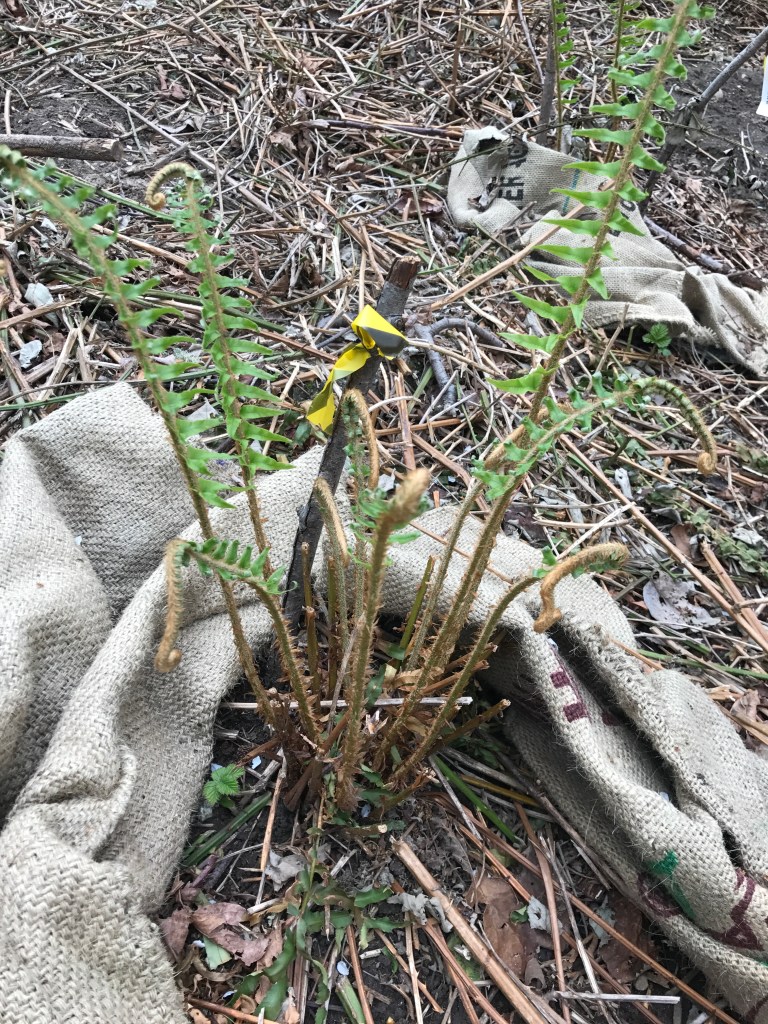
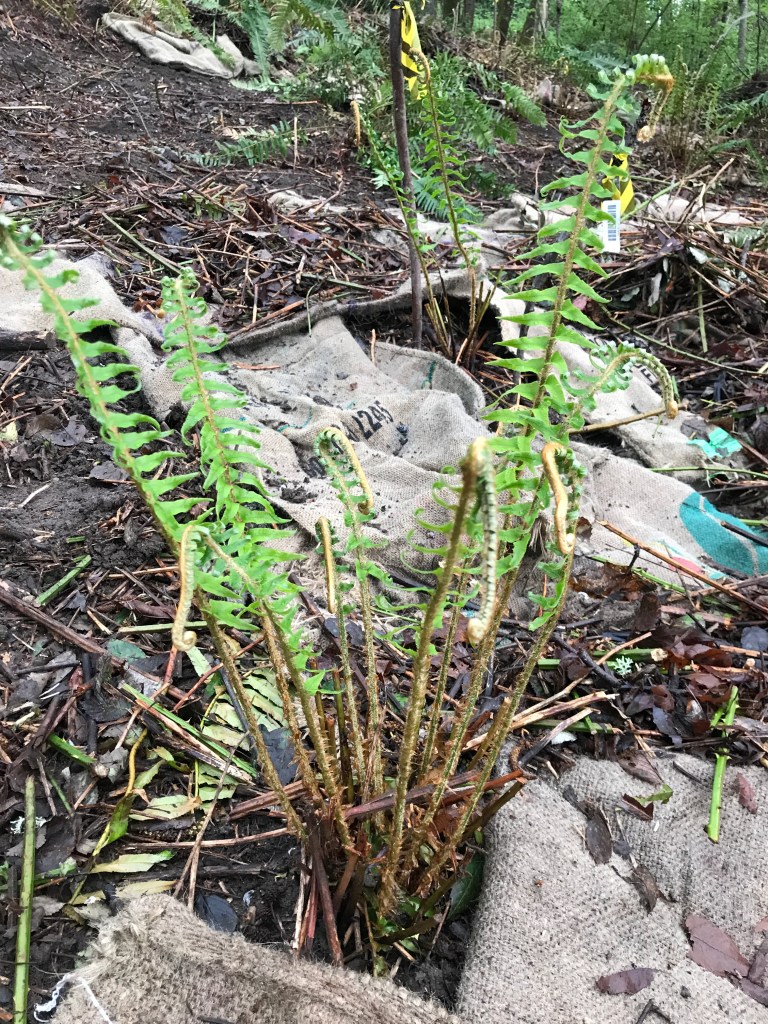
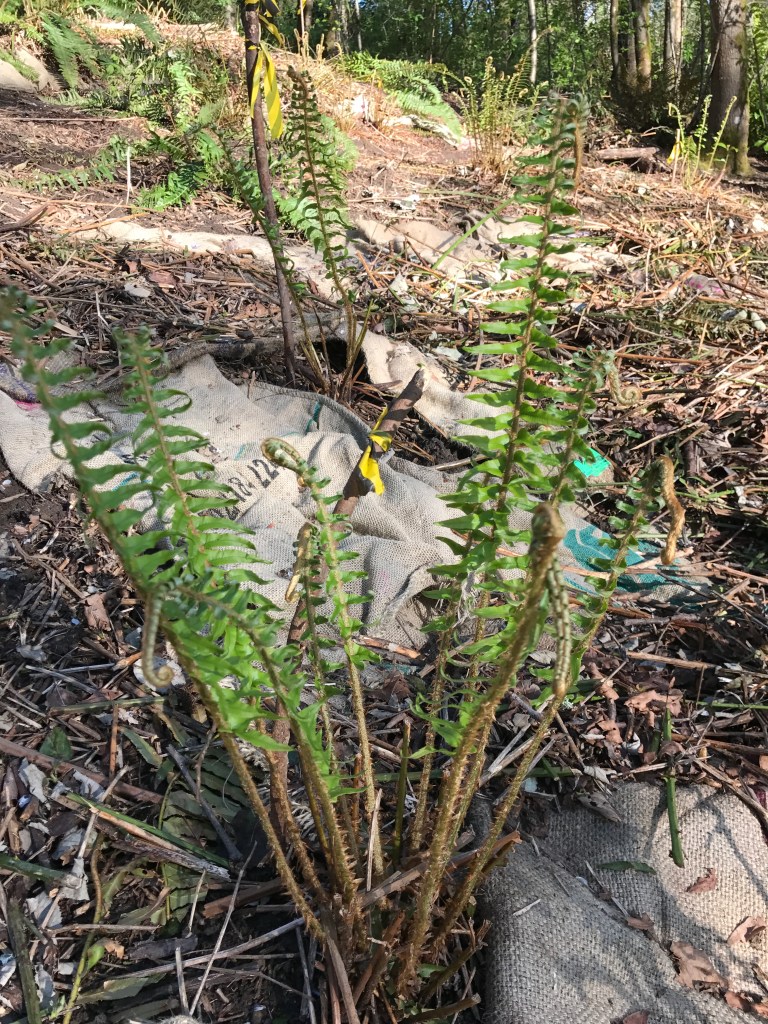
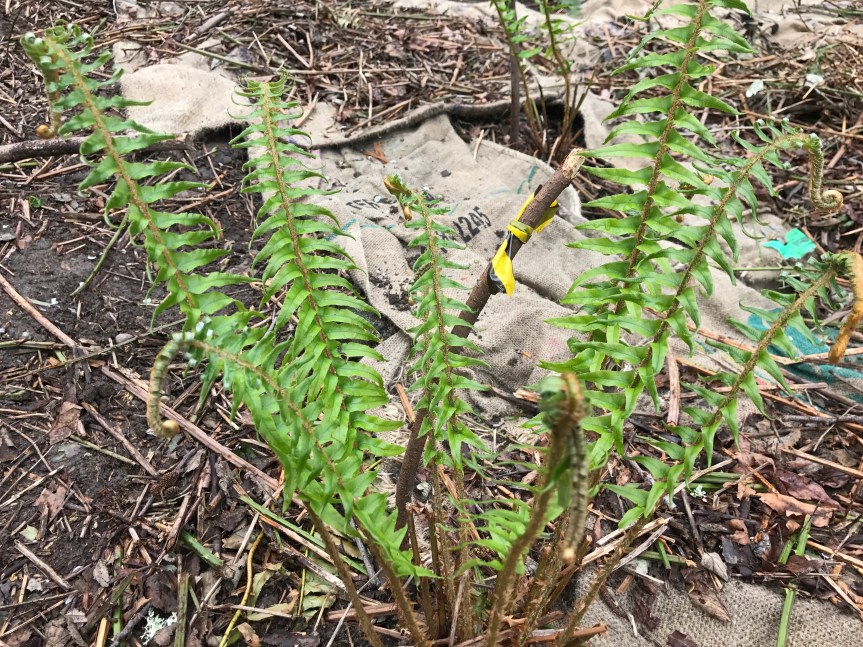
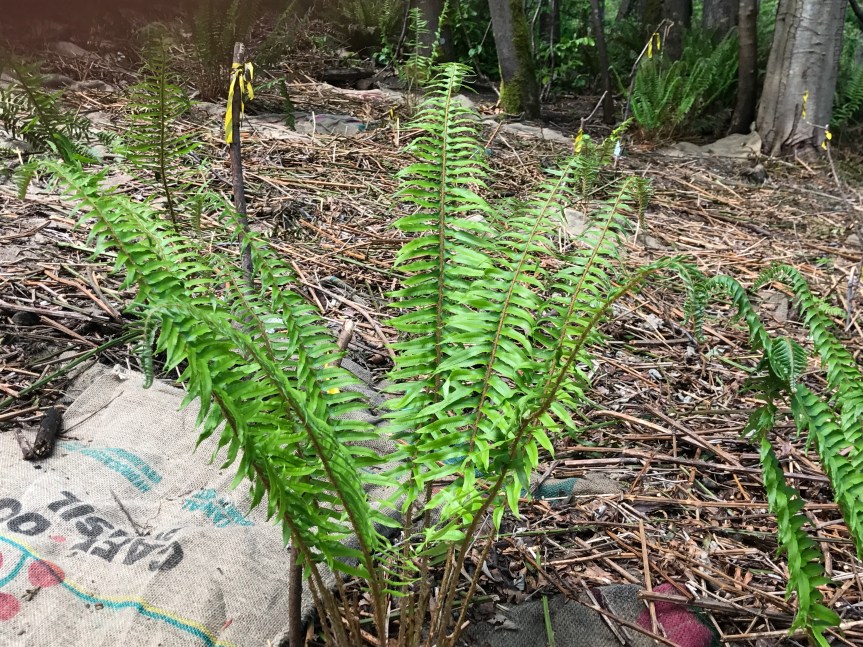
The lots in the part of the Greenbelt our GreenFriends group is restoring were covered by blackberry vines for 30-50 years, depending on the lot. One of the first things we noticed after the blackberry canes were cut down was that there were remnants of ferns in the debris. We began to free them from the rubble and then flagged them with yellow and black tape, hoping to prevent workers from stepping on them. We started calling that area of the property the “Fern Field.”

I started watching one particular fern, and at times took photos of it daily.

April 14


April 16


April 17


April 19


April 21


April 22


May 3
May 14

Yes, Nature is resilient, if we give her a chance to be.

Even More Pink

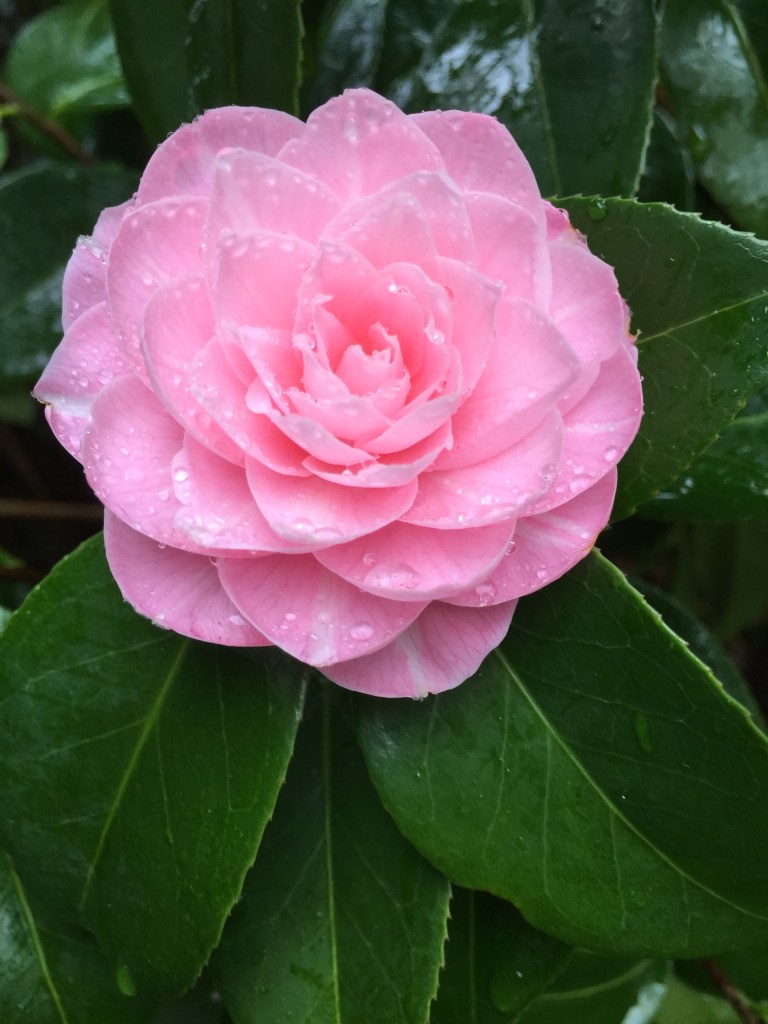
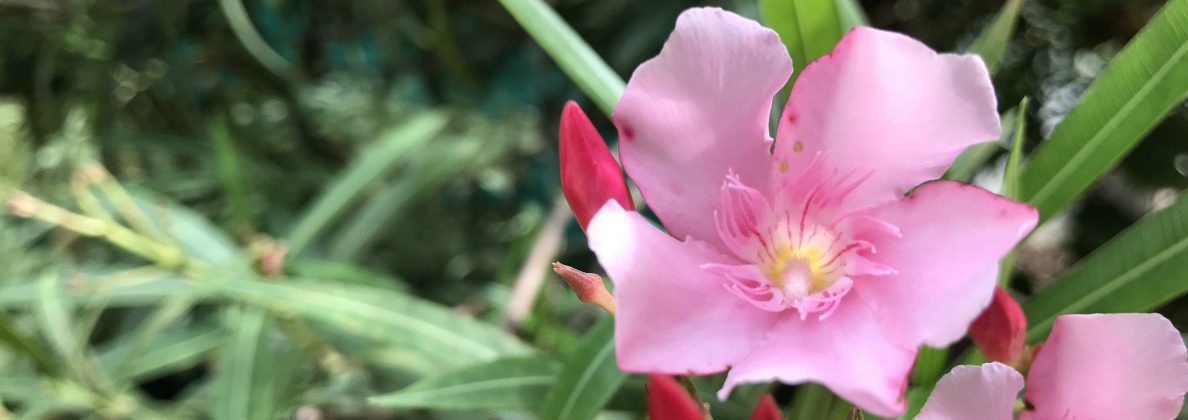
I decided to make a separate gallery for some of the pink flowers I’ve seen in India.

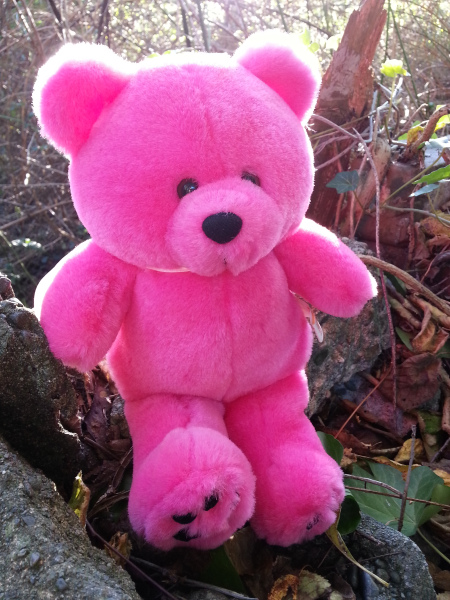
And last, but not least, a pink bear that I used in a fun post (An Early Morning Mystery) I wrote in November 2014.

Pink

Pink, Pink and More Pink

(Click gallery to enlarge the photos.)

Pink